What Is Life in Costa del Este, Panama Like?
Panama Province (within Panama City)

Costa del Este is the Panama City neighborhood where families with school-age children concentrate. A master-planned residential community built on landfill east of the central city, anchored by single-family homes with yards, condominium developments with family-oriented amenities, the Costa del Este Town Center shopping infrastructure, and — most importantly — the cluster of international schools that has made this district the primary destination for expat families seeking a suburban-style residential lifestyle with internationally accredited education. This is not Casco Viejo's walkable colonial character, and it is not Punta Pacífica's glass-and-steel luxury vertical. This is Panama's closest approximation of North American suburban family life — planned, car-dependent, family-driven, and built specifically around the needs of families with children.
What Costa del Este Actually Is

Costa del Este is not a town and not a traditional urban neighborhood. This is the third guide in this series for a Panama City neighborhood, and the character is fundamentally different from both Casco Viejo (colonial walkable old town) and Punta Pacífica (luxury high-rise vertical living).
The geography is precise. Costa del Este sits east of central Panama City, on land reclaimed from the Bay of Panama starting in the 1990s. The district is roughly 6 square kilometers (2.3 square miles) of planned residential and commercial development, organized around a master plan that established residential zones, commercial corridors, school districts, and shared amenities. The Pan-American Highway and the Corredor Sur toll road form the northern and southern boundaries.
The original concept was developer-driven. Costa del Este was conceived in the early 1990s as Panama City's first master-planned upscale residential community — a suburban alternative to the dense urban neighborhoods of central Panama City, designed for the wealthy Panamanian and increasingly foreign-resident demographic that wanted yards, gated security, and planned residential infrastructure. The district built out primarily through the 2000s and continues to develop.
What Costa del Este actually is today is the suburban-style residential heart of Panama City. Single-family homes typically sit on lots of 400-800 square meters with private yards and swimming pools. The commercial areas include the Costa del Este Town Center mall, multiple restaurants, banks, medical clinics, and the infrastructure of a master-planned community. The streets are wider than in central Panama City. Sidewalks are present and functional. Trees have been planted as part of the master plan; some are mature, providing the canopied residential streets that feel more North American suburban than Latin American urban.
The international schools cluster is the defining feature. Balboa Academy, International School of Panama (ISP), Oxford International School, Crossroads Christian Academy, and several other internationally accredited schools are located within or immediately adjacent to Costa del Este. This concentration is why families relocate here. There is no comparable district anywhere else in Panama.
What Costa del Este is not: a walkable neighborhood (the district is too spread out for foot transport beyond immediate blocks), a culturally distinctive district, somewhere you experience traditional Latin American urban density, or a place where you can live without a vehicle.
- Costa del Este is a NEIGHBORHOOD of Panama City, not a standalone town
- Master-planned residential community on reclaimed land east of central Panama City
- Roughly 6 sq km / 2.3 sq mi; built out from 1990s through present
- Residential population ~30,000-40,000; foreign-resident concentration ~20-30%
- Single-family homes on 400-800 m² lots are the dominant residential type
- International school cluster (Balboa Academy, ISP, Oxford, Crossroads) is defining feature
- Suburban-style aesthetic — wider streets, sidewalks, mature trees, yards
- Car-dependent for almost all daily life
What Daily Life Looks Like
Daily life in Costa del Este runs on the rhythm of family life, school schedules, and the planned-community infrastructure that supports both.
Mornings are school-driven. The international schools start between 7:30 and 8:30 AM. School traffic dominates the morning pattern. After school drop-off, the neighborhood returns to a quieter rhythm. Many residents work from home or commute to central Panama City — the Pan-American Highway and Corredor Sur toll road provide the routes.
Midday is hot. Year-round 86-92°F (30-33°C) at sea level. Most residential homes have AC throughout. Late afternoons bring school pickup. Between 2:30 and 4:30 PM, the school traffic reverses. After-school activities (sports practice, music lessons, tutoring) shape the late-afternoon schedule.
For grocery shopping: Riba Smith and Felipe Motta operate at Costa del Este Town Center — full-service supermarkets with international selection. Costa del Este Town Center is the practical commercial extension — multiple restaurants, banks, pharmacies, medical clinics, retail stores, and fitness centers.
Internet through Cable Onda and Más Móvil is excellent — fiber service is generally reliable. Vehicle ownership is essentially required. Most families own 1-2 vehicles. The Cinta Costera Two (eastern extension of the original Cinta Costera) provides waterfront recreation on the bay side of Costa del Este — walking, running, and cycling along this corridor is a daily activity for many residents.
Evenings are family-centered. Most Costa del Este residents are home by 7 PM. The neighborhood doesn't have significant nightlife — restaurants close early, commercial areas are quiet by 10 PM. Weekends bring Pacific beach trips (Coronado is 60-90 minutes), family activities at the Town Center, the Cinta Costera, or the various Panama City attractions. Sundays are family-centered, quieter, and more suburban in pace.
- School-driven morning and afternoon traffic patterns dominate daily life
- Most residents work from home or commute to central Panama City
- Costa del Este Town Center is primary commercial extension
- Vehicle ownership essentially required; most families have 1-2 vehicles
- Cinta Costera Two provides waterfront recreation
- Family-centered evenings; not significant nightlife
- Weekends bring beach trips and family activities
- Sundays are quieter and family-paced
Climate and Environment
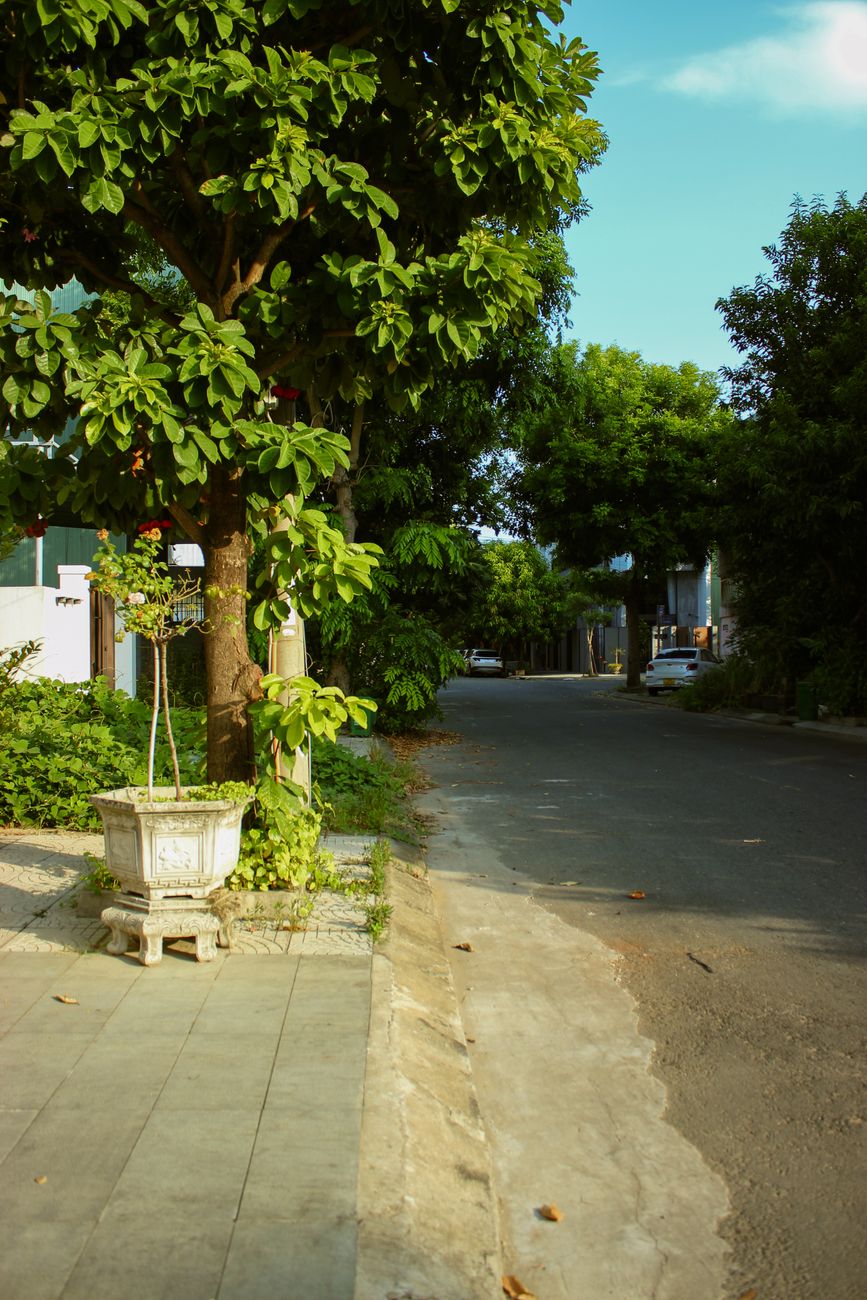
Costa del Este operates on the same tropical coastal climate as the rest of Panama City — year-round heat and humidity with two distinct seasons. The planned-community infrastructure includes environmental design features that affect daily experience.
Year-round daytime temperatures sit between 86°F and 92°F (30-33°C). The variation is narrow. Humidity is high year-round. AC is essential and runs continuously in any functional indoor space. Single-family homes in Costa del Este typically have AC throughout.
Dry season runs December through April. Trade winds from the Caribbean cross the city. The reclaimed-land geography of Costa del Este means the district receives bay breezes; the wider streets and tree-lined landscape provide some natural cooling. Wet season runs May through November — rain comes most afternoons in predictable patterns: clear mornings, building clouds, heavy showers between 2-5 PM, evening clearing. October and November typically have the heaviest rainfall.
Panama City sits outside the Atlantic hurricane belt. Costa del Este on the Pacific coast has no direct hurricane risk — a significant geographic advantage. The planned-community landscape design has produced more mature trees and green space than most Panama City neighborhoods. This affects air quality positively, provides shade, and contributes to the suburban aesthetic. Some Costa del Este streets are genuinely canopied with mature plantings — an unusual feature for a Panama City neighborhood.
Salt-air maintenance is a consideration but generally less severe than peninsular Punta Pacífica because Costa del Este sits inland of the bay edge for most of its residential area. Air quality is generally better than central Panama City neighborhoods because the planned community design includes more green space and less dense traffic.
- Year-round 86-92°F (30-33°C); high humidity; AC essential
- Two seasons: dry (Dec-Apr) with trade winds; wet (May-Nov) with afternoon rains
- Outside Atlantic hurricane belt — significant geographic advantage
- Reclaimed-land geography provides bay breezes and generally functional flood drainage
- Mature trees and green space provide shade and improved air quality
- Salt-air maintenance less severe than peninsular Punta Pacífica
- Air quality generally better than central Panama City neighborhoods
- Earthquake risk moderate; modern construction meets reasonable standards
Cost of Living Reality
Costa del Este is among the most expensive residential markets in Panama, with cost structures that reflect the planned-community premium, the international school proximity, and the foreign-family demand that has built this market over 20+ years.
The dollarized economy means prices are directly comparable to US prices. Housing varies dramatically by property type. Single-family homes on 400-800 m² lots run $3,500-12,000+ per month for long-term rental. Townhouse-style developments run $2,500-6,000 monthly. Condominium apartments (mid-rise) run $2,000-5,000+.
Buying property: $400,000 to $5M+ covers the broad foreign-family market. Townhouse and entry-level single-family homes start around $400,000-650,000. Mid-range single-family homes run $700,000-$1.5M. Higher-end homes with significant land or premium location run $1.5M-$3M. Estate-class properties run $3M-$5M+.
Foreigners hold full fee-simple title in Panama — no trust structure required. Transaction costs run 5-7% including legal, registration, and 2% ITBI transfer tax. HOA fees typically run $150-400 monthly for single-family residential; condominium HOAs run $250-700.
International school tuition is the major ongoing cost for families. International School of Panama, Balboa Academy, Oxford International, and Crossroads Christian Academy all charge $15,000-25,000+ per child per year. For families with multiple children, school costs become a significant fraction of total expenses. Electricity for AC-heavy single-family homes can run $400-1,000+ monthly during peak heat.
The honest monthly range: modest two-bedroom condominium lifestyle runs $4,000-6,500 monthly. Comfortable single-family home lifestyle with two children in international schools runs $9,000-18,000+. The full estate-property lifestyle with multiple children in premium schools runs $15,000-30,000+ monthly.
- Among most expensive residential markets in Panama
- Single-family home rentals: $3,500-12,000+/month; townhouses $2,500-6,000; apartments $2,000-5,000+
- Buying range: $400K-$5M+; townhouses from $400K; mid-range $700K-$1.5M; estates $1.5M-$5M
- Foreign buyers hold full fee-simple title — no trust required
- Transaction costs 5-7%; HOA fees $150-700+ monthly typical
- International school tuition: $15,000-25,000+ per child per year
- Realistic monthly floor: $4,000-6,500 modest; comfortable: $9,000-18,000+
Healthcare Access
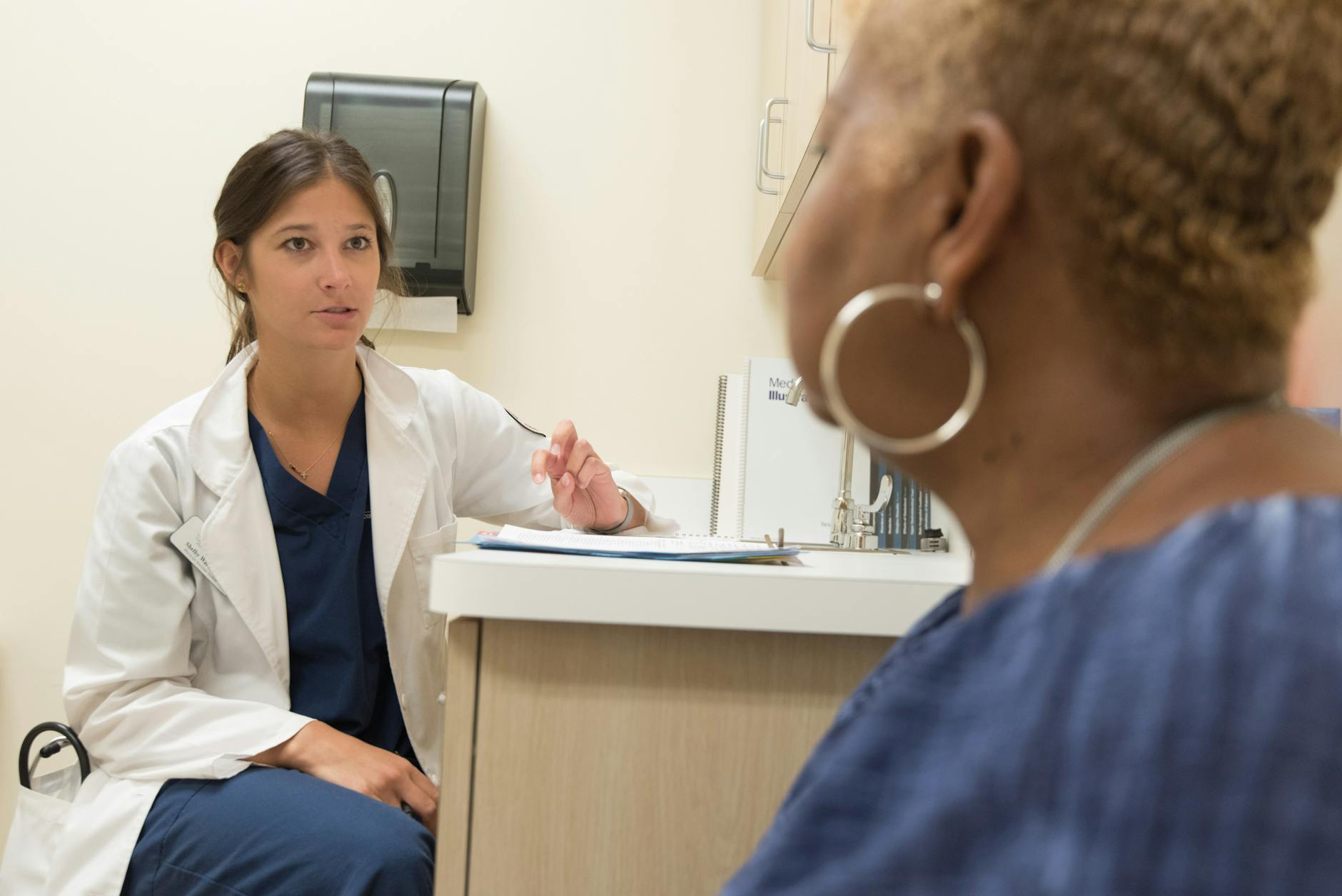
Costa del Este's healthcare access is functional but meaningfully less convenient than Punta Pacífica or central Panama City neighborhoods. This is the most significant practical limitation of Costa del Este for adult residents.
For routine care, Costa del Este has multiple private clinics and a hospital — Hospital Costa del Este — that handles basic services, urgent care, and many specialist consultations. The clinic infrastructure within the district is functional for most day-to-day medical needs.
For more substantial care, Hospital Punta Pacífica (Johns Hopkins-affiliated) is 30-45 minutes by car from Costa del Este during off-peak hours, longer during rush hour. This is the regional reference for complex private care. The drive time is meaningful — substantially longer than the walking-distance access that Punta Pacífica residents have. Other major private hospitals — Centro Médico Paitilla, Hospital Nacional — are similar distance.
Pediatric and maternity care is one area where Costa del Este does well — Hospital Costa del Este has solid pediatric services, and the multiple international schools have established health relationships with local pediatric specialists. Families with children find functional healthcare relatively accessible.
Pharmacies are widespread within Costa del Este. Farmacia Arrocha and Farmacia Metro have multiple locations with 24-hour service. The Caja de Seguro Social provides full coverage for legal residents who contribute.
The honest assessment: Costa del Este's healthcare access is adequate for routine and moderate needs locally, with the 30-45 minute drive to Hospital Punta Pacífica accepted as the trade-off for the family-oriented residential lifestyle. For older retirees and residents with chronic conditions requiring frequent specialist visits, the drive time becomes a real limitation. Most foreign retirees in Panama specifically choose Punta Pacífica or central neighborhoods for medical access; those choosing Costa del Este typically have the family-life priorities that the district supports.
- Hospital Costa del Este handles basic and many specialist services within district
- Hospital Punta Pacífica (Johns Hopkins) is 30-45 minutes — substantially longer than Punta Pacífica residents
- Multiple private clinics serve the Costa del Este community
- Pediatric care strong locally; family-oriented health infrastructure
- Caja public system available; Pensionado visa benefits apply
- Pharmacies widespread and 24-hour
- Healthcare distance is meaningful trade-off versus Punta Pacífica
- Less common choice for foreign retirees because of medical distance
Getting Around and Getting Out
Costa del Este is vehicle-dependent by design. The district is too spread out for walking between residential and commercial areas; the schools are walking distance for some homes but not for most.
For commuting to central Panama City, two main routes: Corredor Sur (toll road) provides the southern coastal route to Punta Pacífica, Avenida Balboa, and downtown. Off-peak: 15-25 minutes to Punta Pacífica or downtown. Rush hour: 35-60 minutes. Pan-American Highway (Avenida Domingo Díaz) is the northern surface-road route — free but more congested. Off-peak: 20-30 minutes; rush hour: 40-75 minutes.
The Metro is accessible at the Costa del Este station or nearby. Line 2 runs through the area, providing a third route to central Panama City. Uber is available throughout Costa del Este with significant driver availability.
For getting out of Panama City, Tocumen International Airport (PTY) is 15-25 minutes by car from Costa del Este — closest to PTY of any major Panama City residential neighborhood. This is a meaningful practical advantage for residents with frequent international travel. Albrook Airport (domestic flights) is 25-35 minutes from Costa del Este.
The combination of three commuter routes, Metro access, abundant Uber availability, and shorter Tocumen Airport drive time makes Costa del Este's broader transportation profile dramatically better than Casco Viejo or even Punta Pacífica for residents whose lives extend across the metropolitan area. The vehicle-dependency within Costa del Este itself, however, remains a defining feature. This is fundamentally different from Casco Viejo's walkability.
For weekend escapes, Coronado is 60-90 minutes; El Valle de Antón is 2 hours; Pacific beaches accessible.
- Vehicle-dependent by design within the district
- Two main commuter routes: Corredor Sur toll road and Pan-American Highway
- Off-peak: 15-25 min to central Panama City; rush hour: 35-75 min
- Metro Line 2 accessible; faster than driving during rush hour
- Uber abundant; taxis available
- Tocumen International 15-25 minutes — closest of any Panama City residential neighborhood
- Albrook Airport 25-35 minutes
- Weekend Pacific beach access in 60-90 minutes
Community and Social Life
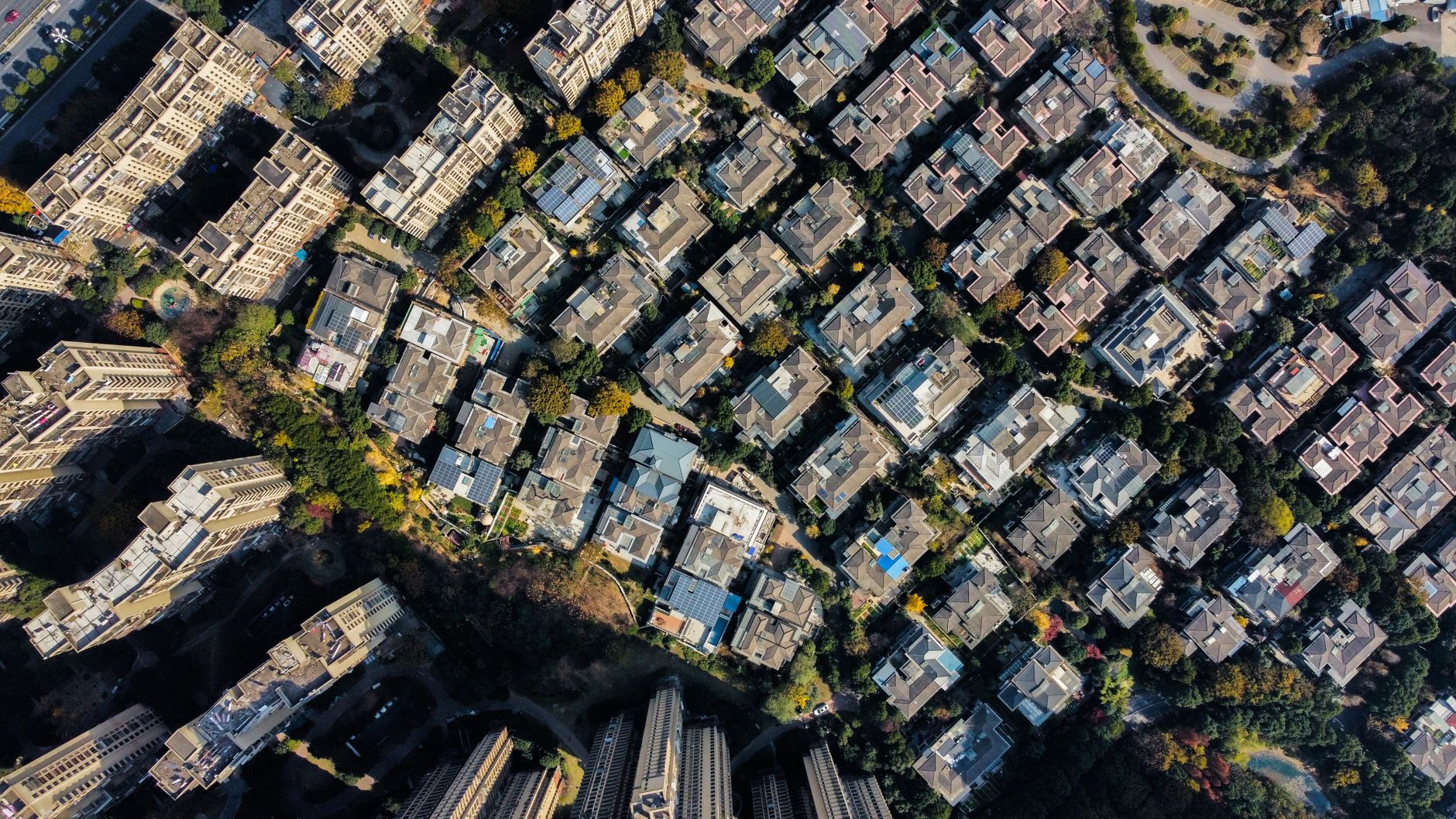
Costa del Este's community is defined by family life, school networks, and the international demographic that has built this district over two decades.
The Panamanian community is the foundation — wealthy and upper-middle-class Panamanian families who use Costa del Este as primary residences. School networks (the international and bilingual private schools) shape much of the social relationships.
The international community is unusually concentrated and internationally diverse. Families with children are the dominant demographic, and the school-based social network is the primary community structure. North Americans dominate the count; significant European, Venezuelan, Colombian, Asian, and Middle Eastern communities all have established presence. The school PTAs and parent communities span dozens of nationalities.
The school-based community is real and central. Parents form lasting friendships through school events, parent-teacher organizations, sports leagues, music programs, and the daily logistics of school life. Some families relocate to Costa del Este specifically because the existing school community welcomes new families and provides a ready-made social structure.
Common gathering points within Costa del Este: the Costa del Este Town Center for casual dining and weekend activities. The Cinta Costera Two waterfront for outdoor recreation. The country club (Club Costa del Este) anchors a specific subcommunity. Sports clubs and fitness centers serve their respective communities.
For broader cultural and social life, residents engage with the rest of Panama City — Casco Viejo (15-25 minutes via Corredor Sur) for restaurants and cultural events. Pacific beaches for weekends. Making friends as an adult: Costa del Este offers structured social opportunities through schools, sports clubs, and neighborhood associations, but residents without children or with adult children may find the community structure less accessible.
- Family life and school networks define social structure
- Wealthy Panamanian and upper-middle-class families anchor the local community
- International community is family-oriented, school-centered, internationally diverse
- School PTAs and parent communities span dozens of nationalities
- Costa del Este Town Center, Cinta Costera Two, country club are gathering points
- Religious community structures (Catholic, evangelical, Jewish, Muslim) all accessible
- English-functional but Spanish widens real integration
- Less accessible community structure for residents without children
Schools and Family Life
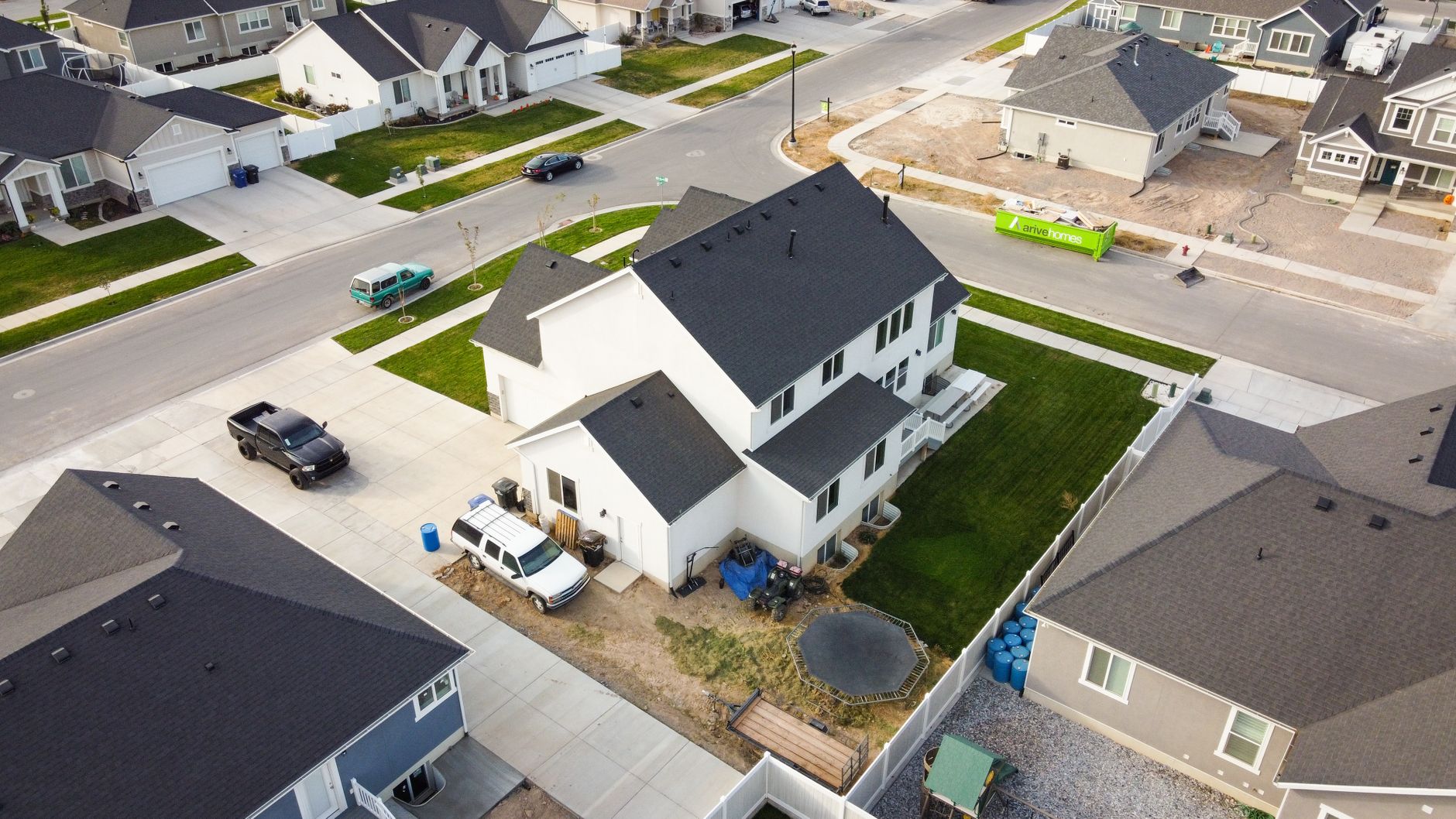
This is the section that matters most for Costa del Este. Schools are why families choose this neighborhood.
The international school cluster is unique in Panama. Within or immediately adjacent to Costa del Este:
Balboa Academy — established US-curriculum school with strong reputation, K-12, college-preparatory orientation. Annual tuition approximately $15,000-22,000+ per child.
International School of Panama (ISP) — premier IB curriculum school in Panama, full International Baccalaureate program from primary through diploma program. Highly competitive admissions. Annual tuition $20,000-30,000+ per child.
Oxford International School — multiple campuses including in Costa del Este. UK-curriculum with international standards. Annual tuition $10,000-20,000+ per child.
Crossroads Christian Academy — Christian-oriented international school, US-curriculum. Annual tuition approximately $10,000-15,000+ per child.
This concentration of internationally accredited education is unmatched anywhere else in Panama. Families with school-age children who need IB, US-accredited, UK-curriculum, or other internationally recognized education have practical options here that don't exist in Boquete, Coronado, Casco Viejo, or anywhere outside Panama City.
Activities for children are abundant. Schools offer comprehensive sports, music, arts, and academic programs. Multiple sports clubs (tennis, swimming, soccer), dance and music studios, art programs, robotics clubs, and language exchange programs. The Cinta Costera Two for cycling and outdoor play. Weekend beach trips. Day trips to El Valle de Antón.
For families with school-age children, Costa del Este is essentially the practical choice in Panama. The combination of international school cluster, family-oriented residential infrastructure, healthcare access, and the proximity to broader Panama City makes this district structurally difficult to substitute. Most families who consider other Panama destinations for school-age children eventually relocate to Costa del Este or commute from elsewhere.
- International school cluster (Balboa Academy, ISP, Oxford, Crossroads) is unmatched in Panama
- Tuition $10,000-30,000+ per child per year depending on school
- Pediatric healthcare functional locally
- Specialized educational support accessible through broader Panama City
- Family-oriented residential infrastructure throughout the district
- Safety for children is among the best in Panama
- For families with school-age children, Costa del Este is structurally the practical choice
Working and Income

Costa del Este works well for remote workers, for corporate professionals working in Panama City, and for families with international careers. Local employment in the Panamanian economy is part of the broader Panama City labor market.
For corporate professionals, Costa del Este is highly practical. The central business district is 15-25 minutes by car off-peak. Major international corporations with Latin American headquarters (Procter & Gamble, Adidas, 3M, dozens of others), international banks, and the broader corporate sector all employ Costa del Este residents. The school cluster makes this neighborhood particularly attractive for international corporate families on multi-year assignments.
For remote workers, internet infrastructure is excellent. Fiber service supports video calls and standard remote knowledge work at high quality. Coworking spaces — WeWork, Selina, others — have locations in or near Costa del Este. Time zone is UTC-5 year-round (no DST), aligned with US Eastern Standard Time.
For entrepreneurs in family-services and education sectors, Costa del Este offers a substantial market. Tutoring services, language programs, sports coaching, music instruction, child therapy, family medicine, real estate brokerage and property management for the family demographic — all operate at significant scale.
Panama's territorial tax system means foreign-source income is generally not taxed by Panama for residents — significant for international workers, pensioners, and investors. The Friendly Nations and Qualified Investor visas align with Costa del Este property purchases for buyers seeking residency through investment.
The major employment-and-income story: Costa del Este is structured around foreign-source income (international careers, remote work, foreign investment) combined with the family-oriented lifestyle that requires significant ongoing expenses. The cost structure makes income from outside Panama essentially necessary for the full lifestyle.
- Corporate professional commute 15-25 min off-peak to central business district
- Multinational headquarters in Panama City; significant international corporate employer base
- Remote work fully viable; UTC-5 aligned with US Eastern Standard
- Coworking spaces (WeWork, Selina) in or near district
- Family-services and education entrepreneurship operates at scale
- Pensionado visa less common here than other destinations
- Territorial tax: foreign-source income generally not taxed by Panama for residents
- International career income aligns naturally with Costa del Este cost structure
Safety and Honest Concerns
Costa del Este is among the safest residential neighborhoods in Panama. The combination of gated residential developments, planned-community infrastructure, family-oriented demographic, and the broader urban dynamics produces a meaningfully safer environment than most Panama destinations.
Within Costa del Este proper, the safety profile is excellent for residents and families. Most residential streets include some level of security infrastructure — gated developments, security patrols, secured residential streets, building-level security for condominium properties. Petty crime within Costa del Este is uncommon. Violent crime within Costa del Este is rare.
Building-level and development-level security varies. Single-family-home developments typically include perimeter security with 24/7 staffed entry checkpoints, security patrols, and the visible deterrent of organized residential security. Condominium developments include traditional building security — controlled access, lobby concierge, secured parking, security cameras throughout.
Traffic safety is real. Panama has higher per-capita traffic fatality rates than the US or Canada. The Corredor Sur and Pan-American Highway both carry significant traffic with rush-hour congestion. Children crossing major arteries require adult supervision.
Natural disaster risk: outside Atlantic hurricane belt (significant advantage). Earthquake risk moderate; modern construction in Costa del Este generally meets reasonable seismic standards. Construction quality varies — newer construction (post-2010) generally meets international standards. Some older buildings from the 2000s build-out have had structural issues. Independent inspection is essential.
The honest summary: Costa del Este is among the safest residential options for foreign families in Panama, with the strongest combination of gated residential infrastructure, secured developments, and the family-oriented community that produces natural safety.
- Among the safest residential neighborhoods in Panama for families
- Gated developments and secured residential streets are standard
- Building and development-level security varies; verify on specific properties
- Petty crime uncommon; theft from secured properties rare
- Violent crime rare within Costa del Este
- Outside Atlantic hurricane belt; earthquake risk moderate
- Construction quality varies; newer construction generally meets international standards
- Among the safest residential options for foreign families in Panama
The Hard Truths
This is where the marketing language stops. Costa del Este is the most marketed family-residential destination in Panama, and the gap between brochure language and daily reality is worth understanding.
The vehicle dependency is fundamental and consequential. Costa del Este was designed for car ownership. People who arrive expecting walkable neighborhood life will be disappointed. Multiple-vehicle families are common. The vehicle and traffic experience is more North American suburban than Latin American urban.
The cost structure is closer to US suburban premium markets than to Latin American averages. The combination of housing, international school tuition, HOA fees, AC-heavy utilities, vehicle ownership, and family-life expenses produces total costs that surprise foreign families who expected Central American affordability. Families with 2-3 children at international schools can pay $30,000-90,000+ per year in tuition alone.
The healthcare distance versus Punta Pacífica is meaningful. The 30-45 minute drive to Hospital Punta Pacífica is the practical geography. For families, this is generally manageable. For older retirees or residents with chronic conditions, the distance becomes more limiting.
The aesthetic is internationally suburban, not Latin American character. People seeking the cultural texture of "living in Panama" sometimes find Costa del Este too generically suburban — could be a North American gated community, could be Singapore or Dubai.
HOA fees and ongoing community costs are significant. Due diligence on HOA financials before purchase is essential. School admissions can be competitive — ISP and Balboa Academy have selective admissions and waitlists. Rush-hour traffic on Corredor Sur and Pan-American Highway is significant. The vacation rental market is limited — Costa del Este is essentially a long-term resident market, not a vacation rental market.
First-year adjustment is real. The combination of school logistics, traffic patterns, neighborhood navigation, cultural integration, and the broader life adjustments tests new families. Property prices have appreciated meaningfully over the past 15-20 years. The dramatic appreciation curves of the past 15 years are unlikely to repeat in equal magnitude.
- Vehicle dependency is fundamental; multiple-vehicle families common
- Cost structure closer to US suburban premium than Latin American averages
- International school tuition is major recurring cost ($30K-90K+ annually for multiple children)
- Healthcare distance versus Punta Pacífica is meaningful for older residents
- Aesthetic is internationally suburban, not Latin American character
- Spanish less essential than other destinations; limits real Panama integration
- HOA fees significant; due diligence on financials essential
- School admissions competitive; planning ahead is wise
- Rush-hour traffic on Corredor Sur and Pan-American Highway is real
- Vacation rental market limited; not a tourism destination
- First-year adjustment significant
- Prices unlikely to drop; appreciation curves moderating
Frequently Asked Questions About Living in Costa del Este
Is Costa del Este safe for foreigners to live in?
Costa del Este is among the safest residential neighborhoods in Panama. Gated developments, secured residential streets, and the family-oriented community produce excellent safety for residents. Standard precautions and choosing developments with adequate security infrastructure address most realistic concerns.
How much does it cost to live in Costa del Este?
Modest two-bedroom condominium lifestyle with local restaurants runs $4,000-6,500 monthly. Comfortable single-family home with two children in international schools runs $9,000-18,000+. The full estate-property lifestyle with multiple children in premium schools runs $15,000-30,000+. International school tuition alone runs $10,000-30,000+ per child per year.
Do I need to speak Spanish to live in Costa del Este?
Less than in most Panama destinations. The international demographic and the school cluster mean English-only daily life is functional. However, real integration into Panamanian society and the broader Panama City community benefits dramatically from Spanish proficiency.
What is the best time of year to visit Costa del Este?
Dry season (December through April) brings sunshine and the most comfortable outdoor conditions for visiting schools and exploring the neighborhood. School-year visits (August through May) provide the best perspective on the family-and-school community dynamics. Most family relocation timing coincides with school year start in August.
Quick Reference: Costa del Este At a Glance
- Province
- Panama Province (within Panama City)
- Region
- Panama City Planned Community / Pacific Coast Residential
- Time Zone
- UTC-5 (EST, no DST)
- Airports
- PTY (Tocumen, international, 15-25 min) · PAC (Albrook, domestic, 25-35 min)
- Foreign Ownership
- Full fee-simple title
- Peak Season
- December – April (dry season)
Getting There
International arrivals through Tocumen International (PTY) in Panama City — 15-25 minutes by car from Costa del Este, the closest residential neighborhood to the airport. Albrook Airport (domestic flights to Bocas del Toro, David, Pedasí) is 25-35 minutes from Costa del Este. Uber from PTY runs $12-20 depending on traffic.
Real Estate Overview
Costa del Este offers Panama's most developed family-oriented residential market — single-family homes on yards, planned-community infrastructure, and proximity to the international school cluster that has made this district the primary destination for foreign families with school-age children. Range spans townhouse and entry-level single-family homes ($400K-650K), mid-range single-family homes ($700K-1.5M), higher-end homes with significant land ($1.5M-3M), and estate-class properties ($3M-5M+). Foreign buyers hold full fee-simple title. HOA fees significant ($150-700+ monthly typical).
What Works
- International school cluster (Balboa Academy, ISP, Oxford, Crossroads) — unmatched in Panama
- Family-oriented planned-community infrastructure with single-family homes on yards
- Tocumen International 15-25 minutes — closest residential neighborhood to PTY
- Outside Atlantic hurricane belt — geographic advantage
- Among safest residential neighborhoods in Panama
- Modern construction and infrastructure throughout
- Cinta Costera Two provides waterfront recreation
What to Consider
- Vehicle dependency fundamental — district designed for car ownership
- International school tuition is major recurring cost
- Healthcare distance: 30-45 minutes to Hospital Punta Pacífica
- Aesthetic is internationally suburban, not Latin American character
- HOA fees significant; due diligence on financials essential
- Less appealing for non-family demographics (retirees, single residents)
Practical Notes
Choosing Costa del Este means choosing Panama City's family-oriented suburban residential lifestyle — single-family homes with yards, planned-community infrastructure, the international school cluster, and the security and amenities that come with master-planned development. The trade-off is vehicle dependency, suburban-style aesthetic (closer to North American gated communities than Latin American character), and the significant cost structure that includes housing, international school tuition, HOA fees, and family-life expenses. People who thrive in Costa del Este have school-age children, value the structured planned-community environment, and have international careers or remote-work income that aligns with the cost structure. Independent property due diligence is essential — buildings and developments vary in quality, HOA financial health varies, and verification on each specific development matters. Spanish less essential here than other Panama destinations because of the international demographic and school cluster. School admissions can be competitive — planning ahead and considering multiple school options is wise. The Tocumen International proximity, the safety profile, and the international school infrastructure are the practical advantages that cannot be replicated elsewhere in Panama.
Explore Costa del Este Listings
Costa del Este Single-Family Homes | Costa del Este Townhouses | All Costa del Este Property
Nearby Areas
- Costa del Este Town Center (commercial extension)
- Cinta Costera Two (waterfront recreation)
- Punta Pacífica (30-45 min, healthcare destination)
- Casco Viejo (30-45 min, cultural destination)
- Panama City central business district (15-25 min off-peak)
- Panama City Living Guide — The Capital
- Casco Viejo Living Guide — UNESCO Colonial District
- Punta Pacífica Living Guide — Luxury High-Rise District
Related Costa del Este Resources
Costa del Este Market Hub — Browse Listings | Costa del Este Panama for International Families | Panama City Real Estate for Global Investors | Buying a Condo in Panama City as a Foreign Investor | Panama Real Estate Guide for American Buyers | Best Places to Retire in Panama | Panama City Living Guide — The Capital | Casco Viejo Living Guide — Sister Neighborhood Guide | Punta Pacífica Living Guide — Sister Neighborhood Guide