What Is Life in Panama City, Panama Like?
Panama Province
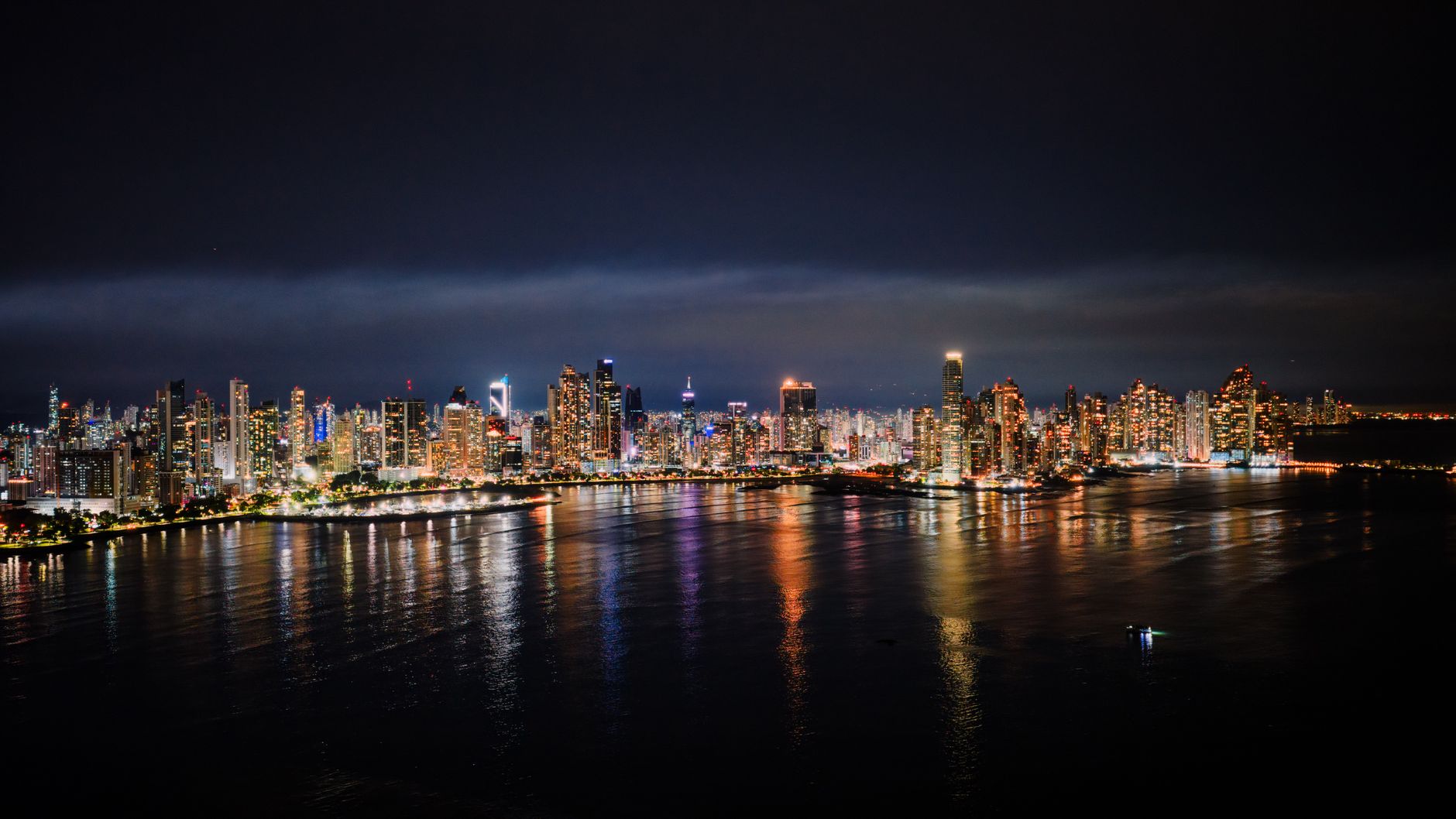
Panama City is unlike anywhere else in Latin America. A glass-and-steel banking capital on the Pacific entrance to the world's most strategic shipping canal, layered over a 500-year-old Spanish colonial city, surrounded by tropical rainforest, and home to one of the most internationally diverse populations of any city its size on the continent. It is the most urban, most cosmopolitan, and most economically active place in Central America — and the single place in Panama where a retiree, a multinational executive, a digital nomad, and a real estate investor can all find exactly what they are looking for, in the same city, simultaneously. If you are evaluating Panama City seriously, this guide is written for you.
What Panama City Actually Is

Panama City is not what most North Americans imagine before they arrive. The Panama City of imagination is either the Canal, or hot dusty Central America, or both. The actual Panama City is a 21st-century banking and shipping capital with a skyline that rivals Miami's, a metro system that runs on time, neighborhoods with distinct architectural and cultural identities, and the only city in Central America with the international infrastructure of a real global capital.
At the dense urban core, along the Bay of Panama, the modern banking and residential towers rise vertically. Punta Pacífica, Punta Paitilla, and Avenida Balboa form the Pacific-facing skyline that has become the city's globally recognized image. Inland from the bay, the older urban neighborhoods retain a different character: San Francisco, Obarrio, Bella Vista, and El Cangrejo are mid-density mixed-use districts where Panamanian and international middle-class life happens. Casco Viejo, the colonial old city on a peninsula southwest of downtown, is something else entirely — a UNESCO World Heritage site restored over two decades into one of the most architecturally distinctive urban districts in the Americas.
The defining feature that separates Panama City from every other Latin American capital is the Canal economy. The Panama Canal — and the financial, shipping, logistics, and corporate infrastructure built around it — has anchored the city's economy for over a century. The use of the US dollar as the national currency, the international banking sector, and the corporate residency programs that allow multinational companies to base their Latin American operations here all stem from this same foundation.
- Panama City sits at the Pacific entrance to the Panama Canal, on the southern Isthmus coast
- Multi-layered urban form: high-rise bay zones (Punta Pacífica, Paitilla, Avenida Balboa), mid-density inland districts, historic Casco Viejo, planned communities (Costa del Este, Clayton)
- Population ~1.5 million in metropolitan area; the most cosmopolitan city in Central America
- US dollar is legal tender; international banking sector built on dollar-denominated business
- Tropical rainforest within 30 minutes of downtown (Soberanía and Camino de Cruces national parks)
- Tocumen International Airport (PTY) is Latin America's primary connecting hub via Copa Airlines
Panama City Neighborhoods
Choosing where to live in Panama City matters more than in most cities, because the neighborhoods operate as nearly independent ecosystems. A person living in Punta Pacífica has a fundamentally different daily life than one living in Casco Viejo, even though they are 15 minutes apart.
**Punta Pacífica.** The southern tip of the high-rise district, defined by luxury residential towers. Hospital Punta Pacífica (Johns Hopkins-affiliated) is here, making it the medical destination for the entire region. This is the densest concentration of foreign-owned residential real estate in Panama.
**Punta Paitilla.** Adjacent to Punta Pacífica, slightly inland. Includes Multiplaza Pacific mall — the city's largest. Similar high-rise density but with more established Panamanian residential history.
**Avenida Balboa.** The waterfront boulevard running along the bay, lined with mid-to-high-end residential towers and the Cinta Costera — a multi-kilometer urban park and cycling promenade.
**El Cangrejo.** Mid-density mixed-use district between Bella Vista and Via España. Walkable, with hotels, restaurants, language schools, and a long-standing international community. Popular with digital nomads and shorter-term expat residents.
**San Francisco.** A larger residential district north of Obarrio. Mid-rise apartments, family-oriented infrastructure, several schools, and Parque Omar — the city's largest urban park.
**Costa del Este.** Built on landfill east of the central city. A master-planned community with single-family homes, condominium developments, and several international schools. Primary destination for expat families with school-age children.
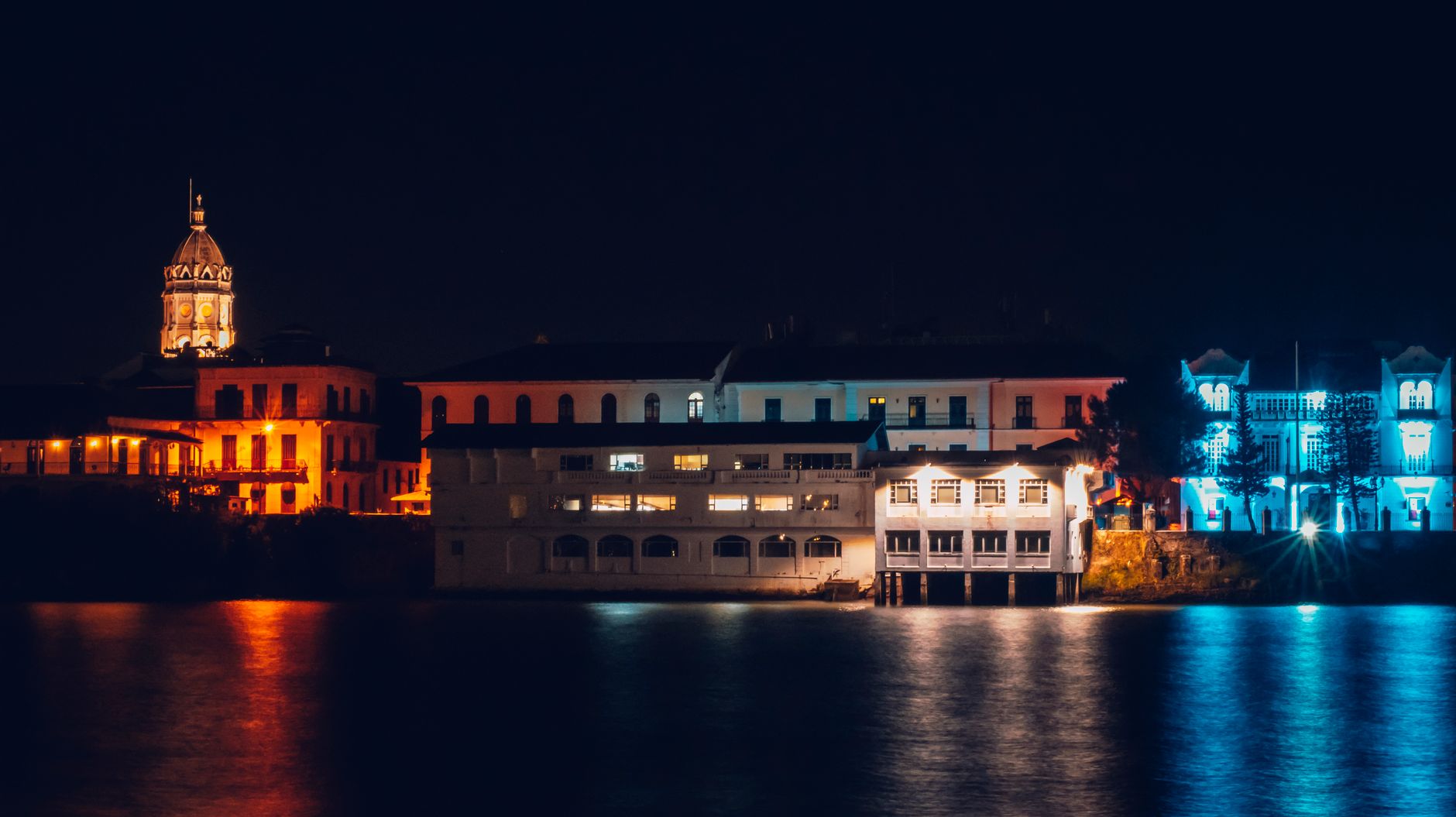
**Casco Viejo.** The 17th-century Spanish colonial old town — UNESCO World Heritage site. Cobblestone streets, balconied colonial buildings, plazas, churches, and the highest concentration of restaurants and bars in the city. Residential property runs at a significant premium per square foot.
**Clayton.** A former US Canal Zone military base, north of downtown. Tree-lined streets, single-family homes, and the Ciudad del Saber research campus. Popular with families wanting space and quiet.
- Punta Pacífica / Punta Paitilla: high-rise luxury, foreign-owned real estate concentration, Hospital Punta Pacífica
- Avenida Balboa: waterfront boulevard, mid-to-high-end residential, Cinta Costera urban park
- El Cangrejo: mid-density urban, walkable, popular with digital nomads and shorter-term expats
- San Francisco: family-oriented residential, more affordable, Parque Omar
- Costa del Este: planned community, single-family homes, international schools, primary expat family destination
- Casco Viejo: UNESCO colonial old town, premium per sq ft, walkable, culturally distinctive
- Clayton / Albrook: former US military zones, tree-lined, single-family, Ciudad del Saber
What Daily Life Looks Like
Daily life in Panama City runs on a different scale than anywhere else in the country. The morning rush hour is real. Major arteries — Corredor Sur, Corredor Norte, Vía España, and the bridges over the Canal — can move slowly or stop entirely between 7 and 9 AM and again from 4 to 7 PM. The Metro system (three lines, opened in stages from 2014) has transformed commuting along its corridors, carrying over 300,000 daily riders and making commute times predictable and short for residents along the lines.
Grocery shopping has multiple tiers. Riba Smith and Super 99 are the dominant Panamanian supermarket chains, with quality and selection comparable to North American mid-range stores. Felipe Motta is the higher-end option for imported wines and specialty foods. PriceSmart (the Costco equivalent) operates several locations and is popular with families.
Banking is sophisticated. Panama's international banking sector means that opening accounts, wiring money internationally, and managing dollar-denominated finances is more functional here than anywhere else in Latin America. Standards for opening foreign-resident accounts have tightened since 2018 — expect documentation requirements that include proof of address, source of funds, and tax residency.
Heat is constant. Year-round daytime temperatures sit in the high 80s to low 90s (30–34°C). Humidity is significant. Air conditioning is non-negotiable for any functional indoor space. Electricity bills in AC-heavy households are among the most significant ongoing costs in the budget.
Sundays in Panama City have a different texture. The Cinta Costera fills with cyclists, runners, and families. The Causeway closes to traffic and becomes a social promenade. Restaurants in Casco Viejo run brunch service. The city is recognizably Panamanian in a way that weekday business hours obscure.
- Metro system (3 lines) has transformed commuting along its corridors; traffic remains dominant off-network
- Riba Smith, Super 99 cover daily grocery needs; Felipe Motta for specialty/imports; PriceSmart for families
- Banking sophisticated; HSBC, Citibank, BAC, major Panamanian banks all functional for foreign residents
- Hospital Punta Pacífica (Johns Hopkins affiliated) is the regional top private hospital
- Daily clock more North American than most Latin America; no midday siesta in professional life
- Year-round 86–92°F (30–34°C); AC is essential and expensive
- Cinta Costera and Causeway are Sunday social hubs; the city's weekend rhythm is family-centered
Climate and Environment

Panama City operates on a tropical wet/dry climate that is constant in temperature and dramatic in rainfall. The two seasons are clear. Dry season runs from mid-December through April: trade winds blow consistently, days are sunny, humidity drops noticeably, and the city is at its most photogenic. Wet season runs from May through November: rain comes most afternoons — predictable, intense, brief, often followed by clearing. October and November typically have the heaviest rainfall.
Year-round temperatures sit between 75°F and 92°F (24–33°C). The variation is narrow — there is no real "cool" season at sea level. Air conditioning is required in any functional indoor space.
Panama City sits outside the Atlantic hurricane belt. Direct hurricane strikes do not occur — a genuine advantage compared to Mexico, the Caribbean, or the US Gulf coast. Earthquakes occur but are relatively infrequent and rarely severe compared to most of Central America.
Tropical rainforest is within 30 minutes of downtown. Soberanía National Park, on the Canal, contains some of the most accessible primary rainforest in Central America. Howler monkeys, white-faced capuchins, sloths, and over 500 bird species live within an hour of the city center. Pipeline Road in Soberanía is one of the world's premier birding sites.
- Two seasons: dry (Dec–Apr) with trade winds and sunshine, wet (May–Nov) with afternoon rains
- Year-round 75–92°F (24–33°C); high humidity year-round; AC required and expensive
- Outside Atlantic hurricane belt — a genuine geographic advantage
- Earthquakes infrequent compared to most of Central America
- Tropical rainforest within 30 minutes; Soberanía National Park world-class for biodiversity
- Bay of Panama provides views, breezes, seafood, and significant tidal variation (4–5 meters)
- Mosquito-borne disease (dengue) seasonal in wet season; attention required
Cost of Living Reality
Panama City is more expensive than the rest of Panama, less expensive than Miami or major US cities, and roughly comparable to mid-tier European or Latin American capitals. The dollarized economy is the defining feature — prices are directly comparable to US prices without currency conversion math. Imported goods cost something close to what they cost in the US plus shipping. Local goods — produce, services, labor — cost significantly less.
Housing varies dramatically by neighborhood. A high-end Punta Pacífica apartment with bay views runs $1,500–4,000+ per month for long-term rental. Casco Viejo runs comparably for restored properties. Costa del Este single-family homes run $2,000–5,000+ depending on size. Bella Vista, El Cangrejo, and Obarrio offer mid-range options at $800–2,000 for one or two-bedroom apartments.
Buying property: $150,000 to several million covers the broad foreign-buyer market. Foreigners hold full fee-simple title — no trust structure required, unlike Mexico's coastal zones. Transaction costs run 5–7% including legal, registration, and transfer tax.
Electricity is significant. AC-heavy apartments can run $150–400 USD monthly during hot months. Internet runs $40–80 for fast service. Metro fares are $0.35–0.50. Uber is widely available and dramatically cheaper than US Uber.
The honest monthly range: living modestly — one-bedroom in El Cangrejo, local restaurants, metro and occasional Uber — is achievable at $2,000–3,500 per month. The full Punta Pacífica luxury apartment lifestyle runs $5,000–12,000+ monthly.
- Dollarized economy; prices directly comparable to US prices without currency math
- Imported goods at near-US prices; local goods and labor dramatically cheaper
- Punta Pacífica / Punta Paitilla rentals: $1,500–4,000+/month; Costa del Este single-family: $2,000–5,000+
- Foreign buyers hold full fee-simple title; no trust structure required
- Transaction costs 5–7%; ITBI transfer tax 2%
- Pensionado visa provides significant discounts for qualifying retirees with $1,000+/month pension
- Realistic monthly floor: $2,000–3,500 modest lifestyle; full luxury: $5,000–12,000+
Healthcare Access
Panama City has the best healthcare infrastructure in Central America — one of the strongest reasons people choose it over comparable cities in the region.
Hospital Punta Pacífica, affiliated with Johns Hopkins Medicine International, is generally considered the premier private hospital in Central America. Full international standards, US-trained specialists in many departments, English-speaking staff throughout, modern equipment. Costs are dramatically lower than equivalent US private care while providing comparable quality for most procedures.
Hospital Nacional, Centro Médico Paitilla, and Hospital Santo Tomás (public) form the broader hospital network. For routine care, multiple private clinic networks serve the various neighborhoods. Consultations with general practitioners run $40–80 USD; specialists $80–200. Bilingual staff is common, particularly in clinics serving expat-heavy neighborhoods.
Pharmacies are sophisticated and widespread. Several chains (Farmacia Arrocha, Farmacia Metro) operate citywide with 24-hour locations. Many medications requiring prescription in the US or Canada are available over the counter at significantly lower prices.
For Pensionado visa holders, medical service discounts apply at most private facilities — typically 15–20% off consultations and procedures. Medical tourism is significant in dental, cosmetic, fertility, and orthopedic categories.
- Hospital Punta Pacífica (Johns Hopkins affiliated) is Central America's premier private hospital
- Multiple high-quality private hospitals citywide: Centro Médico Paitilla, Hospital Nacional, others
- Routine private consultations: $40–80 USD; specialists $80–200 — dramatically below uninsured US rates
- Public CAJA system available with monthly contributions; private care is primary path for expats
- Pharmacies sophisticated and widespread; 24-hour locations; many US/CA Rx meds available OTC
- Pensionado visa discounts: typically 15–20% off at private facilities
- Pediatric and maternity care strong; viable for families with serious medical needs
Getting Around and Getting Out

Panama City's transportation system is the most developed in Central America. The Metro is genuinely useful: three lines now operate, fares are $0.35–0.50, trains are modern, air-conditioned, and run on time. For residents along the lines, the metro is genuinely faster than driving during peak hours. The Metrobus system covers major corridors not served by the Metro. Uber operates throughout the city at dramatically lower prices than US Uber; a typical cross-city trip runs $4–10.
Driving is functional but congested. Major arteries — Corredor Sur (the toll road along the bay), Corredor Norte (the toll road toward the airport), Vía España — carry the bulk of traffic. Rush hour is significant. Many residents in walkable urban neighborhoods choose not to own a vehicle.
For getting out of Panama City, Tocumen International Airport (PTY) is 30 minutes from downtown. It is Latin America's primary connecting hub via Copa Airlines, with direct flights to most major Latin American cities, many US destinations, and selected European routes. The Marcos A. Gelabert Airport (Albrook) handles domestic flights — Bocas del Toro, David, Pedasí, and other Panamanian destinations.
The Panama Railway runs alongside the Canal from Panama City to Colón on the Caribbean coast — about an hour — and provides one of the most scenic train rides in the Americas.
- Metro (3 lines), Metrobus, Uber, taxis form an integrated and functional transit system
- Metro fares $0.35–0.50; trips dramatically cheaper than driving during rush hour for corridor residents
- Driving congested during rush; toll roads (Corredor Sur/Norte) provide alternatives
- Tocumen Airport (PTY) is 30 minutes from downtown, Latin America's primary Copa hub
- Albrook Airport handles domestic flights to David, Bocas del Toro, Pedasí, others
- Panama Railway from Panama City to Colón provides scenic Canal-side rail trip (~1 hour)
- Taboga and other Pacific islands accessible by ferry for day trips
Community and Social Life

Panama City's social structure is more layered and more international than any other Latin American capital. At the base is the Panamanian middle and upper class — established families, business community, professional class. Spanish fluency is the entry point. Family connections, school relationships (the Colegio Javier and other private schools have generations of alumni networks), and professional networks define the deepest social structures.
The international community is unusually large and diverse. Venezuelan and Colombian populations are very significant — both immigrant and professional class, with an estimated 200,000+ Venezuelans in Panama City alone. North American expat communities are well-established, with two distinct subgroups: retiree communities (often Pensionado-driven, concentrated in specific neighborhoods) and professional/corporate expats working for multinational firms. European, Chinese, Indian, and Israeli communities are substantial, each with established business and cultural infrastructure.
Casco Viejo is the cross-community cultural anchor — restaurants, galleries, music venues, and the Saturday market at Plaza Catedral pull from all the city's communities. The Panama Jazz Festival is internationally respected. Carnaval celebrations in February/March and multiple Independence Day observances shape the social calendar.
Spanish proficiency dramatically widens access. The expat-only English-speaking social bubble exists and is comfortable. The much larger Panamanian and broader Latin American social world becomes accessible with Spanish.
- Multi-layered international community: Panamanian, Venezuelan, Colombian, North American, European, Chinese, Indian, Israeli
- Venezuelan population (~200,000+) has reshaped the city since 2018; now fully part of everyday life
- Country-specific business chambers and cultural centers serve respective communities
- Casco Viejo is the cross-community cultural anchor — restaurants, galleries, events, Saturday market
- Sports: Cinta Costera, Parque Omar, Causeway, golf clubs, sailing, surfing 1 hour away
- Multiple religious communities active; one of older Jewish communities in Latin America
- Spanish proficiency dramatically widens social access beyond expat bubble
Schools and Family Life
Panama City has the most developed school infrastructure in Central America, and this is one of the strongest reasons families choose it over other regional capitals.
The international school market is mature. International School of Panama (ISP) is the flagship international school, with IB curriculum, North American accreditation, and a long-established expat community. Balboa Academy serves families with a similar profile. Oxford International School operates multiple campuses including in Costa del Este. Crossroads Christian Academy serves Christian families. French, German, and Italian national schools all exist for those communities.
The Costa del Este corridor is the primary destination for expat families — the neighborhood developed in significant part around the international school cluster. Tuition runs $4,000–15,000+ annually depending on school and level.
Pediatric healthcare is strong. Several hospitals operate dedicated pediatric and maternity units, and international-standard pediatric specialty services are available — one of the factors that makes Panama City viable for families with serious medical needs that smaller Panamanian cities cannot serve.
Activities for children are abundant: sports leagues, dance, music, language immersion, swim teams, robotics, and comprehensive after-school programs at international school networks. The IB and international accreditation availability is the differentiator — families needing college preparation for US, Canadian, or European universities have multiple options without leaving Panama.
- International School of Panama (IB), Balboa Academy, Oxford International, Crossroads Christian
- Costa del Este is the primary expat family destination because of the international school cluster
- Tuition $4,000–15,000+/year for private schools; bilingual Panamanian schools also widespread
- Pediatric specialists available; strongest reason to choose Panama City over Boquete for families
- Extracurriculars comprehensive at international schools — sports, music, robotics, language immersion
- IB and US/Canadian accreditation available; college preparation for international universities
- Childhood is more urban than rural Panama; nature access requires a 30-minute drive
Working and Income
Panama City offers more income paths than any other Panamanian city. Remote work for foreign employers is straightforward: fiber internet through Cable Onda, Tigo, or Más Móvil is reliable for video calls, multiple coworking spaces (WeWork, Selina, Inspira) serve the remote-work community, and the UTC-5 time zone (no DST) permanently aligns with US Eastern Standard Time — a significant feature for North American remote teams.
Corporate and professional employment is substantial. Panama is headquarters for multiple multinational corporations using it as a Latin American base — Procter & Gamble, Adidas, 3M, and dozens of others have regional headquarters here. The Canal Authority, shipping companies, logistics firms, and the broader maritime sector employ significant numbers.
Panama's territorial tax system means that foreign-source income generally is not taxed by Panama for residents — a significant feature for international workers and pensioners. Panama-source income is taxed at progressive rates. A competent local accountant is essential.
The Pensionado visa is structured to attract foreign retirees with pension income of $1,000+/month. Qualifying retirees receive Panama residency with substantial benefits: transportation discounts (25–50%), utility discounts, medical service discounts, entertainment discounts, and tax benefits on Panama-source income. The Friendly Nations and Qualified Investor visas offer residency through investment commitments.
- Multinational corporate headquarters present; Panama is a Latin American regional base for many
- Remote work fully viable: reliable fiber, coworking spaces, UTC-5 time zone aligned with US East Coast
- Pensionado visa offers substantial discounts and tax benefits for qualifying foreign retirees
- Friendly Nations and Qualified Investor visas offer residency through investment
- Territorial tax system: foreign-source income generally not taxed by Panama for residents
- Banking sophistication enables international financial management
- Vacation rental market mature; Casco Viejo and Punta Pacífica command premium short-term rates
Safety and Honest Concerns
Panama City has a real safety profile that is more nuanced than either marketing or sensationalism captures. The honest framing: Panama City is significantly safer than most Latin American capitals (substantially less violent crime than Mexico City, Bogotá, San Salvador, or Tegucigalpa) and meaningfully more affected by crime than smaller Panamanian cities like Boquete or Pedasí. The risk varies significantly by neighborhood and time of day.
Petty crime is the most common issue: phone theft, pickpocketing in busy areas (markets, bus stops, tourist zones), theft from vehicles in unsecured parking. Standard urban precautions reduce these substantially.
Violent crime is concentrated in specific zones. El Chorrillo, Curundú, parts of San Miguelito, and some areas adjacent to Casco Viejo carry elevated risk, particularly at night. The high-rise zones (Punta Pacífica, Punta Paitilla, Avenida Balboa) are heavily secured and very low-risk. Casco Viejo itself is generally safe but has variable conditions by street and time.
Traffic safety is real. Panama has higher per-capita traffic fatality rates than the US or Canada. Motorcycle and pedestrian fatalities are particularly high. Most upper-tier residential buildings include 24/7 security, gated access, and security cameras. Costa del Este and Clayton neighborhoods have security patrols.
- Significantly safer than most Latin American capitals; more crime than rural Panama
- Violent crime concentrated in specific zones (El Chorrillo, Curundú, parts of San Miguelito)
- High-rise zones (Punta Pacífica, Punta Paitilla) are heavily secured and very low-risk
- Casco Viejo generally safe with variable conditions by street and time
- Standard urban precautions reduce risk substantially
- Outside hurricane belt; earthquake risk lower than most of Central America
- Traffic safety significant concern — higher fatality rates than North America
The Hard Truths
Every honest guide to Panama City includes a section like this because the same surprises happen to new residents repeatedly.
The traffic is real. People who arrive expecting a small city or a sleepy capital are shocked by rush-hour realities. Living in the metro corridor, in walkable neighborhoods, or near work mitigates this. Living in Costa del Este and commuting elsewhere can mean two-plus hours daily in vehicle traffic.
Heat and humidity are constant. AC is essential year-round, and electricity bills reflect this. Acclimation takes longer than people expect. Some never fully acclimate; this affects sleep quality, daily energy, and how often you choose to be outside.
Spanish proficiency is the dividing line between integrating into Panamanian Panama and staying in expat Panama. The expat-only English-speaking world in Panama City is large enough and comfortable enough to make Spanish feel optional. It isn't, if you want a complete life here. Banking, legal, government, medical, and the social texture of the actual city all operate primarily in Spanish.
Bureaucracy is real. Establishing residency, opening bank accounts, registering vehicles, processing property transfers — all involve Panamanian government processes that are slow, document-heavy, and inconsistent. Local attorneys and gestores are normal expense and worth budgeting for. The Pensionado visa application can take 6–12+ months.
Property due diligence is essential. Independent legal review by a notario not connected to seller or developer is necessary, not optional. The number of foreigners who have discovered post-closing issues — title disputes, undisclosed liens, building code violations — is meaningful. Construction quality varies enormously across mid-range and older buildings.
- Traffic congestion is severe; living in the metro corridor or walkable neighborhoods mitigates
- Heat, humidity, AC bills are year-round constants; acclimation harder than expected
- Wet season can be genuinely wet, especially October–November
- Spanish proficiency is the dividing line between full and partial integration
- Bureaucracy is real; local attorneys and gestores are normal expense
- Pensionado visa takes 6–12+ months; use a competent attorney
- Independent property due diligence is essential; title issues exist; construction quality varies
Frequently Asked Questions About Living in Panama City
Is Panama City safe for foreigners to live in?
Panama City is significantly safer than most Latin American capitals but the risk varies dramatically by neighborhood. High-rise residential zones (Punta Pacífica, Punta Paitilla) and planned communities (Costa del Este) are very safe. Some adjacent neighborhoods (El Chorrillo, Curundú) carry elevated risk, particularly at night. Knowing the neighborhood map is essential.
How much does it cost to live in Panama City?
Modest one-bedroom apartment in San Francisco or El Cangrejo with local restaurants and metro: $2,000–3,500 monthly. High-end Punta Pacífica apartment with international restaurants, vehicle, and full lifestyle: $5,000–12,000+. The dollarized economy means prices are directly comparable to US prices without currency math.
Do I need to speak Spanish to live in Panama City?
You can function without Spanish — the city has enough bilingual infrastructure. You cannot fully live there without it. Real friendships with Panamanians, access to non-tourist services, banking, legal, government, and medical interactions all benefit dramatically from Spanish proficiency.
What is the best time of year to visit Panama City?
Dry season (December through April) brings trade winds, sunshine, and the comfortable conditions that make Panama City photograph well. Wet season (May through November) brings afternoon rains. February and March are the height of dry season.
Quick Reference: Panama City At a Glance
- Province
- Panama Province
- Region
- Pacific Coast / Panama Canal Zone
- Time Zone
- UTC-5 (EST, no DST)
- Airports
- PTY (Tocumen, international) · PAC (Albrook, domestic)
- Foreign Ownership
- Full fee-simple title
- Peak Season
- December – April
Getting There
Tocumen International Airport (PTY) is 30 minutes from downtown Panama City and is Latin America's primary connecting hub via Copa Airlines. Direct flights operate from most major US cities (Miami, Houston, New York, Los Angeles, Atlanta, and others), all major Latin American capitals, and selected European destinations. The Albrook Airport handles domestic Panama flights to David, Bocas del Toro, Pedasí, and other domestic destinations.
Real Estate Overview
Panama City offers the most developed and mature real estate market in Central America, spanning luxury bay-view high-rises in Punta Pacífica, restored colonial properties in Casco Viejo, planned community single-family homes in Costa del Este, mid-density urban apartments throughout the central neighborhoods, and former Canal Zone homes in Clayton. Foreign buyers hold full fee-simple title without trust structures. Multiple residency programs (Pensionado, Friendly Nations, Qualified Investor) support buyer pathways at various investment levels.
What Works
- Latin America's best healthcare infrastructure — Hospital Punta Pacífica (Johns Hopkins affiliated) and multiple high-quality private hospitals
- Dollarized economy and territorial tax system — significant advantage for foreign income earners and retirees
- Most developed international school market in Central America — multiple IB and US-accredited options
- Tocumen Airport hub — direct flights to most US, all major Latin American, selected European cities
- Functional metro and public transit system reduces car dependency in corridor neighborhoods
- Outside hurricane belt — a genuine geographic advantage over Mexico, the Caribbean, and the Gulf coast
What to Consider
- Traffic during rush hours is severe; neighborhood choice matters significantly for daily commute
- Heat and humidity year-round; AC costs are significant and non-negotiable
- Spanish proficiency dramatically affects daily life and depth of integration
- Crime risk varies dramatically by neighborhood — knowing the map is essential
- Bureaucracy for residency, property purchase, and tax matters is real and slow
- First-year adjustment is meaningful; year-two becomes meaningfully easier
Practical Notes
Choosing Panama City means choosing a Latin American capital with global infrastructure — international banking, world-class healthcare, accredited international schools, and Tocumen's connecting hub all in one place. The trade-off is urban density, traffic, heat, and the bureaucratic and cultural complexity that comes with any major capital. Neighborhood choice matters more here than in most cities; the difference between living in Punta Pacífica, Costa del Este, Casco Viejo, or El Cangrejo is genuinely different daily experience. The Pensionado visa is structured to support foreign retirees and is worth understanding before committing. Spanish proficiency is the most reliable predictor of long-term satisfaction. Budget explicitly for legal and accounting support, independent property due diligence, vehicle costs if you choose to own one, and AC-heavy electricity bills. Give yourself two full years before judging.
Explore Panama City Listings
Panama City Luxury Condos | Casco Viejo Restored Properties | Costa del Este Family Homes
Nearby Areas
Related Panama City Resources
Panama City Real Estate for Global Investors | Punta Pacífica Luxury Condo Buyers | Casco Viejo Lifestyle & Rental Buyers | Costa del Este for International Families | Boquete vs Panama City — Which Is Right for You? | Coronado Living Guide — Pacific Beach Life | David Living Guide — Western Panama's Regional Capital | Bocas del Toro Living Guide — Caribbean Island Life | Costa del Este Living Guide — Panama City Family District | Casco Viejo Living Guide — UNESCO Colonial District | Punta Pacífica Living Guide — Luxury High-Rise District | Cerro Punta Living Guide — Panama's Highest Town, Cool Climate & Highland Life | Gorgona Living Guide — Pacific Riviera Closest to Panama City