What Is Life in Casco Viejo, Panama Like?
Panama Province (within Panama City)

Casco Viejo is the only neighborhood in Panama that operates as a destination, a residential community, and a cultural anchor simultaneously. A 17th-century Spanish colonial walled city on a peninsula southwest of downtown Panama City, restored over the past two decades from genuine ruin into one of the most architecturally distinctive urban districts in the Americas. UNESCO World Heritage site, residential neighborhood, restaurant and nightlife epicenter, and home to one of the most concentrated communities of foreign residents in Panama. This guide is written for the buyer or prospective resident who wants to understand what daily life in Casco Viejo actually is — the rhythm, the trade-offs, the cost structure, the safety reality, and the reasons people who move here either stay long-term or leave within two years.
What Casco Viejo Actually Is

Casco Viejo is not a town. This is the first thing to understand and the thing that makes this guide structurally different from every other Living Guide on this platform. Casco Viejo is a neighborhood — specifically, the historic colonial district of Panama City — that operates with the cultural distinctiveness, residential density, and search-demand profile of a destination unto itself.
The geography is precise. Casco Viejo (also called San Felipe, the older Panamanian name) sits on a peninsula extending into the Bay of Panama, southwest of downtown Panama City. The peninsula is roughly 1 kilometer long and 500 meters wide. The 17th-century Spanish colonial grid covers most of the peninsula — cobblestone streets, restored 2-4 story colonial buildings, plazas, churches, balconied apartments, and the seawall along three edges.
The history matters. The original Panama City was founded in 1519, but was sacked by the pirate Henry Morgan in 1671. The Spanish rebuilt the city in 1673 in the more defensible peninsula location — this rebuilt city is what is now Casco Viejo. For three centuries it served as Panama's capital, then was gradually abandoned as the wealthy moved to newer neighborhoods. By the 1980s and 1990s, much of Casco Viejo was in genuine disrepair. UNESCO World Heritage designation came in 1997. Restoration began in earnest in the early 2000s and continues today.
What Casco Viejo actually is today is a hybrid place. The restored upper floors of colonial buildings are high-end residential apartments, often owned by Panamanian wealthy families or foreign buyers. The ground floors contain restaurants, boutiques, art galleries, bars, hotels, and the cultural infrastructure that has made Casco Viejo Panama City's primary destination for both visitors and the city's professional class.
The cobblestone streets are pedestrian-friendly. Several plazas anchor neighborhood social life: Plaza de la Independencia (Plaza Mayor), Plaza Bolívar, Plaza Herrera, Plaza de Francia. The residential population is small relative to the geographic footprint — perhaps 4,000-6,000 residents, depending on how the boundary is drawn. Foreign residents are estimated at several hundred — high concentration for the small area.
The defining feature that separates Casco Viejo from every other Panama destination is the combination of architectural distinctiveness, true walkability, cultural concentration, and the gentrification dynamic that is still ongoing. There is nothing comparable in Panama, and few comparable urban districts in Latin America.
What Casco Viejo is not: a typical residential neighborhood, a quiet retirement destination, a place where you escape urban density, or a place separated from the broader urban dynamics of Panama City. It is intensely urban in scale, often noisy, sometimes chaotic, and bordered by neighborhoods (El Chorrillo immediately west, Calidonia to the north) that carry significant security considerations.
- Casco Viejo is a NEIGHBORHOOD of Panama City, not a standalone town
- 17th-century Spanish colonial peninsula southwest of downtown Panama City
- UNESCO World Heritage site since 1997
- Roughly 1 km long, 500 m wide; cobblestone streets, colonial buildings, plazas
- Hybrid use — high-end residential upper floors, ground-floor restaurants and shops
- Residential population ~4,000-6,000; foreign residents several hundred
- Bordered by El Chorrillo and Calidonia — knowing the security map matters
- Restoration ongoing; gentrification dynamic active
What Daily Life Looks Like
Daily life in Casco Viejo runs on the rhythm of a hybrid urban district — part residential community, part tourism destination, part nightlife center.
Mornings are quiet. The early hours from dawn to 9 AM are the most peaceful time in Casco Viejo. Locals walking dogs, joggers on the Cinta Costera waterfront promenade, restaurant staff setting up, and the cathedral bells marking the hour. The light on the colonial facades during morning hours is one of the small daily pleasures of life here.
By mid-morning, the day begins. Restaurants open for breakfast and lunch service. Boutiques and galleries open. Hotel and tourism activity ramps up. Midday brings lunch crowds — professionals from Panama City's banking districts come to Casco Viejo for lunch meetings; tourists arrive for the architectural walking tours. The heat is real — Casco Viejo is at sea level on the Pacific coast and experiences year-round 86-92°F (30-33°C) heat. The cobblestone streets and limited shade make midday foot traffic more demanding than most Panama destinations.
Evenings are when Casco Viejo becomes Panama City's primary dining and nightlife destination. Restaurants fill from 6:30 PM onward. Bars and rooftop venues operate from 7 PM into the early morning. Nightlife continues late on weekends — the bar scene runs into the early morning hours Friday and Saturday. Residential life in Casco Viejo requires accepting this.
For grocery shopping, a few small stores handle basic daily needs within Casco Viejo; larger supermarkets are accessible by car or Uber. Banking is functional through the broader Panama City infrastructure. Healthcare draws on Panama City's full medical infrastructure — Hospital Punta Pacífica (Johns Hopkins-affiliated) is 10-15 minutes by car. The Cinta Costera — the waterfront park and promenade running along the bay — is the practical extension of Casco Viejo for residents: walking, running, cycling, and weekend social activity all flow along this corridor.
- Mornings quiet (dawn-9 AM); midday lunch crowds; evenings are the destination peak
- Friday/Saturday nightlife runs late; apartment location relative to bars matters significantly
- Small in-district grocery; larger Panama City supermarkets accessible by car
- Hospital Punta Pacífica (Johns Hopkins) is 10-15 minutes — significant healthcare advantage
- Cinta Costera waterfront promenade provides extended outdoor recreation
- Sundays slower but still active — brunch culture is established
- Fiber internet generally reliable in restored buildings
Climate and Environment

Casco Viejo operates on the same tropical coastal climate as the rest of Panama City — year-round heat and humidity with two distinct seasons.
Year-round daytime temperatures sit between 86°F and 92°F (30-33°C). The variation is narrow. Humidity is high year-round. Nights cool only slightly. AC is essential for sleep and comfortable indoor function. Restored colonial buildings can be challenging to climate-control — old construction, thick walls, sometimes inadequate insulation, and the trade-off between historic character and modern climate efficiency.
The two seasons are clear. Dry season runs December through April. Trade winds blow consistently, and the breezes off the Bay of Panama provide significant natural cooling for waterfront and high-floor apartments. Days are sunny; rain is rare; humidity drops noticeably. Wet season runs May through November. Rain comes most afternoons in predictable patterns: clear mornings, building clouds, heavy showers between 2-5 PM, evening clearing. Drainage in colonial-era streets can be inadequate during heavy storms — flooding of low-lying streets during peak rainfall is not uncommon.
Panama City sits outside the Atlantic hurricane belt. Casco Viejo, on the Pacific coast, has no direct hurricane risk. The Bay of Panama dominates the environment. Tides vary 4-5 meters between high and low — mudflats at low tide are part of the landscape; high tide brings water close to the seawalls. The peninsular geography means more sea air and faster weathering of materials. Mosquitoes are present in wet season; dengue is documented in Panama.
- Year-round 86-92°F (30-33°C); high humidity
- AC essential; colonial buildings can be challenging to climate-control
- Two seasons: dry (Dec-Apr) with trade winds and breezes; wet (May-Nov) with afternoon rains
- Outside Atlantic hurricane belt — significant geographic advantage
- Bay of Panama dominates the environment — views, breezes, salt air, tides
- Tides vary 4-5 meters; mudflats at low tide are part of the landscape
- Peninsular geography means more sea air and faster weathering
- Mosquitoes present in wet season; dengue documented
Cost of Living Reality
Casco Viejo is the most expensive residential neighborhood in Panama per square foot. This is the most important cost fact about the district, and the reason most foreign buyers who consider Casco Viejo arrive with significant capital allocated specifically for this purchase.
The dollarized economy means prices are directly comparable to US prices without currency conversion. This makes the Casco Viejo cost structure look high to anyone comparing to Latin American averages — because it is.
Housing varies dramatically by floor, view, restoration quality, and exact location. A modest one-bedroom apartment in a restored Casco Viejo building runs $1,200-2,500 per month for long-term rental. Two-bedroom apartments run $1,800-4,000+. Bay-view apartments command significant premium. High-end penthouses run $4,000-10,000+ monthly.
Buying property: $250,000 to $3M+ covers the broad foreign-buyer market. Small apartments in less-restored buildings start around $250,000-400,000. Mid-range restored one-and-two-bedroom apartments run $400,000-800,000. Bay-view, high-floor, or penthouse properties run $800,000-$2M+. Historic buildings and exceptional locations can exceed $3M.
Foreigners hold full fee-simple title — no trust structure required even within the historic district. Transaction costs run 5-7% including legal, registration, and 2% ITBI transfer tax. HOA fees in restored buildings vary widely — $200-800 monthly is the typical range. UNESCO restoration requirements add cost to any renovation work.
The honest monthly range: modest one-bedroom-apartment lifestyle with local restaurants runs $3,000-4,500 monthly. Comfortable lifestyle with two-bedroom apartment, regular Casco Viejo dining, and full participation in the cultural scene runs $5,000-8,000+. The full bay-view-penthouse lifestyle runs $8,000-15,000+ monthly.
- Most expensive residential neighborhood in Panama per square foot
- Apartment rentals: $1,200-4,000+/month one-bedroom and two-bedroom; $4,000-10,000+ premium
- Buying range: $250K-$3M+; small apartments from $250K; mid-range $400K-$800K; bay-view $800K-$2M+
- Foreign buyers hold full fee-simple title — no trust required
- Transaction costs 5-7%; HOA fees $200-800/month typical
- UNESCO restoration requirements add cost to any renovation
- Vehicle ownership optional (walkability + Uber); parking is the challenge for owners
- Realistic monthly floor: $3,000-4,500; full lifestyle: $5,000-15,000+
Healthcare Access

Casco Viejo's healthcare access is among the best in Panama because of its location within Panama City. This is one of the major advantages of choosing this neighborhood over more remote Panama destinations.
Hospital Punta Pacífica, affiliated with Johns Hopkins Medicine International, is approximately 10-15 minutes by car from Casco Viejo. Generally considered the premier private hospital in Central America. Full international standards, US-trained specialists, English-speaking staff, modern equipment. For Casco Viejo residents, this is the practical destination for serious medical needs.
Centro Médico Paitilla, Hospital Nacional, and several other major private hospitals are within 10-20 minutes by car. For routine care, multiple private clinic networks operate throughout Panama City, with several serving the Casco Viejo and adjacent neighborhoods. Consultations run $40-80 USD for general practitioners; $80-200 for specialists.
Pharmacies are widespread within the district; Farmacia Arrocha and Farmacia Metro have nearby locations with 24-hour service. Many medications requiring prescription in the US are available over the counter. Pediatric and maternity care is strong throughout Panama City — Casco Viejo residents access this through nearby hospitals.
The healthcare proximity is one of the strongest reasons foreign residents who could live elsewhere in Panama City choose Casco Viejo specifically — the combination of walkable urban lifestyle, distinctive architecture, and 10-15 minute access to world-class medical care.
- Hospital Punta Pacífica (Johns Hopkins) is 10-15 minutes by car
- Multiple major private hospitals within 10-20 minutes
- Private clinic networks for routine care; consultations $40-80
- Caja public system available with monthly contributions
- Pharmacies widespread; 24-hour service nearby
- Pediatric and maternity care strong at nearby hospitals
- Healthcare proximity is one of the main advantages of Casco Viejo over remote destinations
Getting Around and Getting Out
Casco Viejo is the most walkable neighborhood in Panama. This is one of the defining features of life here and one of the biggest reasons foreign residents choose this district.
The peninsula is small enough that most daily life can be done on foot. Restaurants, plazas, the cathedral, the various cultural and commercial venues, and most residential addresses are within 10-15 minutes walking. The streets are cobblestone — sometimes uneven, occasionally challenging for mobility-limited residents, but generally pedestrian-friendly.
For trips outside the peninsula, Uber is widely available and dramatically cheaper than US Uber — $4-10 for most cross-city trips. Local taxis are abundant. The Metro is a 10-minute walk to the nearest station (5 de Mayo on Line 1). The Metro connects Casco Viejo to most of Panama City. Fares are inexpensive ($0.35-0.50).
For driving, Avenida Balboa connects Casco Viejo to the modern banking and high-rise zones to the east. The Corredor Sur toll road connects to the Pan-American Highway and points west. For getting out of Panama City, Tocumen International Airport (PTY) is 30-40 minutes by car. Albrook Airport handles domestic flights — Bocas del Toro, David, Pedasí — approximately 15-20 minutes from Casco Viejo.
Parking within Casco Viejo is the main challenge. Limited street parking, paid lots, and only some buildings include parking. Many residents choose not to own vehicles specifically because parking is so constrained. For weekend escapes, Pacific beaches at Coronado are 60-90 minutes; El Valle de Antón is 2 hours — both accessible as practical extensions of urban life.
- Most walkable neighborhood in Panama
- Uber and taxis abundant; Metro 10-minute walk to nearest station
- Tocumen International (PTY) 30-40 minutes; Albrook (domestic) 15-20 minutes
- Cinta Costera waterfront promenade is the extended outdoor recreation corridor
- Parking is the main vehicle-ownership challenge
- Pacific beaches 60-90 minutes; El Valle 2 hours — accessible weekend destinations
Community and Social Life

Casco Viejo's community is unusually concentrated, urban, and culturally diverse for its small geographic footprint.
The long-standing Panamanian community includes families who never left during the decay years and now find themselves in a transformed neighborhood. Some lower-income families remain in buildings that haven't been gentrified. Working-class shop owners, longtime residents, and the families with deep San Felipe roots form one layer of the community. The wealthy Panamanian community is a distinct layer — some of Panama's most prominent families maintain Casco Viejo properties as primary or significant secondary residences. The foreign-resident community is concentrated — estimated at several hundred across the peninsula, including North Americans, Europeans, and significant Latin American communities.
Common gathering points are clear. Plaza Bolívar, Plaza Herrera, and Plaza de la Independencia anchor neighborhood social life. Specific restaurants have become regular gathering spots — Donde José?, Casa Casco, and many others. Bars including the Tantalo rooftop and Pedro Mandinga Rum Bar serve specific subcommunities. Art galleries anchor the visual arts community. The Sunday brunch culture has become a defining ritual.
The cultural calendar is rich. Carnaval (February/March), Día de la Etnia Negra (May), Independence Day celebrations (early November), and various religious and civic festivals. The Panama Jazz Festival operates with significant Casco Viejo presence. Making friends as an adult is easier here than most Panama destinations because of the urban density, the concentration of foreign residents, and the cultural infrastructure. Spanish proficiency dramatically widens social access — the English-speaking bubble is functional but real integration requires Spanish. The gentrification dynamic affects social life in ways residents notice.
- Concentrated, urban, culturally diverse community for the small footprint
- Long-standing Panamanian families, wealthy Panamanian professional class, and foreign-resident community all present
- Rotating short-term visitor population is constant feature
- Plazas, specific restaurants, art galleries are primary gathering points
- Sunday brunch culture is a defining ritual
- Cultural calendar rich — Carnaval, jazz festival, art events year-round
- Gentrification dynamic affects social life in real ways
Schools and Family Life
Casco Viejo has a small but real family population, primarily Panamanian and including some foreign-resident families. The educational infrastructure available draws on Panama City's full system — Casco Viejo itself does not have substantial in-neighborhood schools, but the broader city offers comprehensive options.
For international schools, the practical destinations from Casco Viejo are Balboa Academy, International School of Panama (ISP), Oxford International, and Crossroads Christian Academy — all in Costa del Este, which is 30-45 minutes by car. This commute is real and is one of the reasons families with school-age children sometimes choose Costa del Este over Casco Viejo for primary residence. Bilingual private schools serving primarily Panamanian families are widespread in Panama City with shorter commutes.
Activities for children include the Cinta Costera waterfront for outdoor play and cycling, the various Panama City sports and arts programs, and the cultural infrastructure of Casco Viejo itself — art classes, music exposure, the museums and cultural events. Beach access at the Pacific coast within 60-90 minutes for weekends.
Safety considerations for children: Casco Viejo's adjacent neighborhoods (El Chorrillo immediately west) carry security considerations that affect how families navigate their broader environment. Within Casco Viejo proper and walking to the Cinta Costera, the daily environment is generally safe with normal urban awareness. The honest assessment: Casco Viejo works for families with school-age children who are willing to commute to schools and who value the cultural and architectural environment.
- Family population small but real in Casco Viejo
- International schools require 30-45 min commute to Costa del Este
- Bilingual private schools widespread in Panama City
- Pediatric healthcare strong through nearby Panama City hospitals
- Childhood texture is urban Latin American with cultural depth
- Cinta Costera and broader Panama City provide outdoor recreation
- Adjacent neighborhood security considerations affect family environment
Working and Income
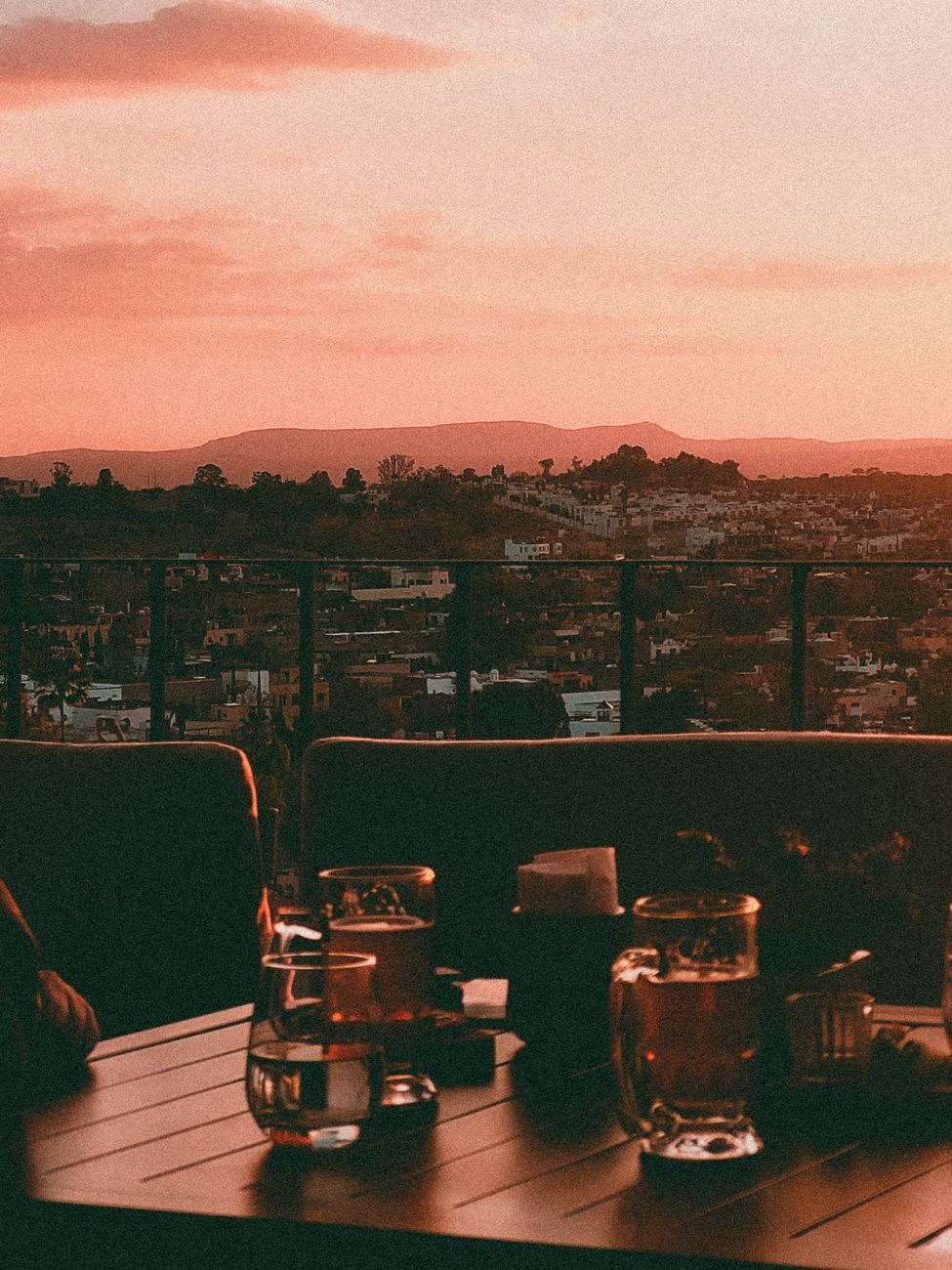
Casco Viejo works well for remote workers, for those running cultural and hospitality businesses serving the destination dynamic, and for foreign retirees who value urban culture. It works as well as anywhere in Panama City for corporate employment.
For remote workers, internet infrastructure in restored buildings is generally excellent. Fiber service through Cable Onda and Más Móvil supports video calls and standard remote knowledge work. Coworking spaces operate in and near Casco Viejo. Time zone is UTC-5 year-round (no DST), aligned with US Eastern Standard Time.
For corporate professionals working with Panama City companies, the central business district (Avenida Balboa, Punta Pacífica, Costa del Este) is 15-30 minutes by car or Metro. For entrepreneurs in hospitality and cultural sectors, Casco Viejo is the epicenter of Panama City's restaurant and bar economy. Real estate brokerage and property management for the foreign-buyer and high-end Panamanian market is a substantial sector.
Vacation rental income is significant. Casco Viejo's destination status, the architectural distinctiveness of restored properties, and the steady tourism flow support strong short-term rental returns. Property management is well-developed. The territorial tax system means foreign-source income is generally not taxed by Panama for residents.
- Remote work fully viable; UTC-5 aligned with US Eastern Standard; coworking spaces nearby
- Corporate professionals can commute to Panama City business districts in 15-30 minutes
- Pensionado visa applies; urban-cultural lifestyle is what some retirees specifically want
- Hospitality and cultural entrepreneurship is the epicenter of Panama City sector
- Real estate brokerage and property management substantial niche
- Vacation rental income real; market mature and competitive
- Territorial tax: foreign-source income generally not taxed by Panama for residents
Safety and Honest Concerns
Casco Viejo's safety profile is significantly better than the immediately adjacent neighborhoods, but understanding the broader urban geography is essential.
Within Casco Viejo proper, the safety profile during daylight and evening hours is good. The combination of tourism, residential gentrification, police presence, and the active street life produces safer conditions than the early-2000s versions of the neighborhood. Pickpocketing in tourist-heavy areas occurs but is the main concern rather than violent crime.
The adjacent neighborhood of El Chorrillo, immediately west of Casco Viejo, carries significantly elevated risk, particularly at night. This boundary is real — the small streets that connect Casco Viejo to El Chorrillo are where many residents avoid walking after dark. Knowing this map is essential for daily life. Calidonia, to the north, similarly has higher-risk areas.
Petty crime is the most common issue — pickpocketing in tourist-heavy areas, theft from vehicles in unsecured parking, opportunistic theft. Violent crime within Casco Viejo proper is uncommon. Most upper-tier residential buildings include 24/7 security, gated entrances, and security cameras. Panama is outside the Atlantic hurricane belt. Earthquake risk is moderate. The honest summary: Casco Viejo is safer than the neighborhoods it borders. Knowing the map matters. Standard urban awareness, choosing residential locations that match your safety preferences, and avoiding specific high-risk areas at specific times address most realistic concerns.
- Within Casco Viejo proper: good safety during daylight and evening
- Adjacent El Chorrillo (west) and Calidonia (north) carry elevated risk, particularly at night
- Knowing the boundary map is essential for daily navigation
- Petty crime (pickpocketing, vehicle theft) is most common issue
- Violent crime within Casco Viejo uncommon
- Most upper-tier buildings include 24/7 security
- Outside Atlantic hurricane belt; earthquake risk moderate
- Historic buildings: independent inspection essential
The Hard Truths
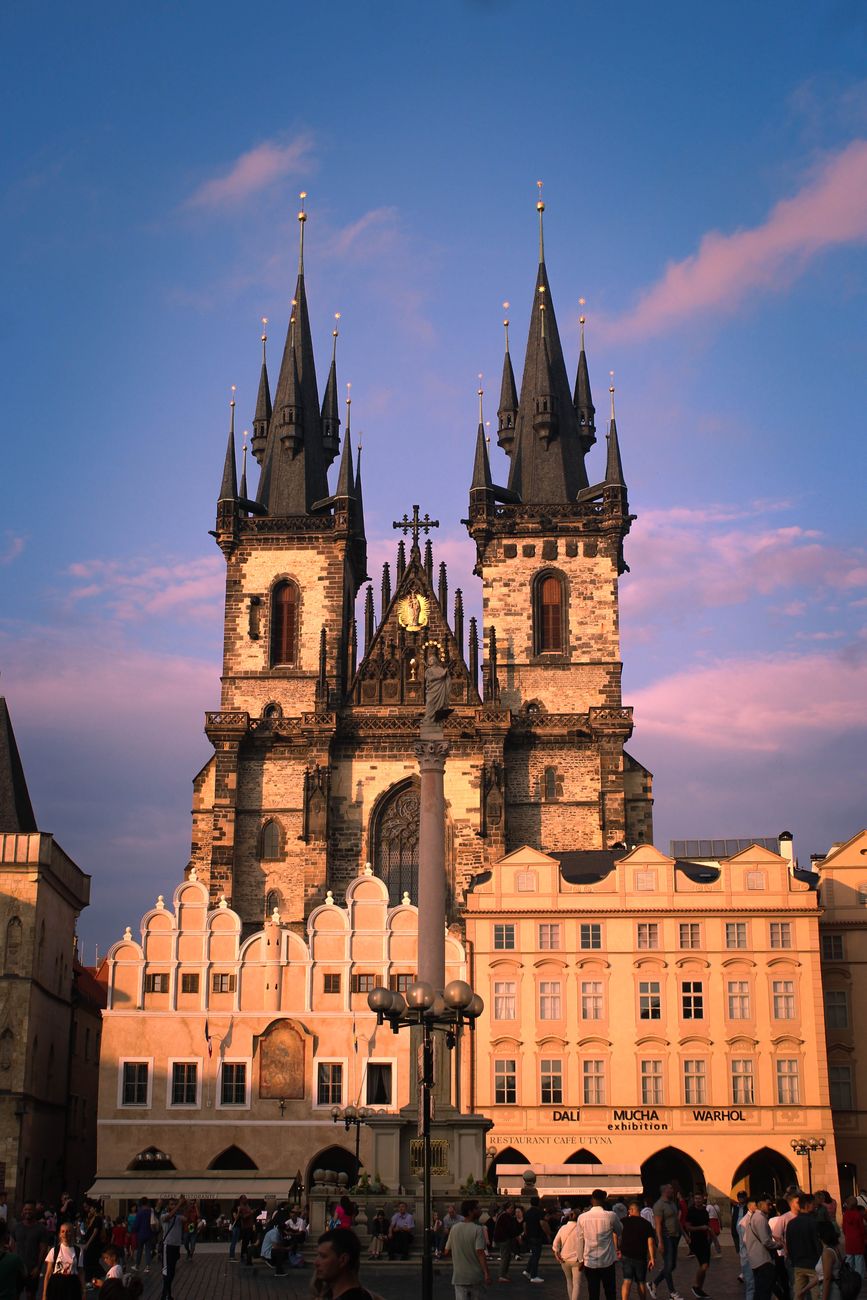
This is where the marketing language stops. Casco Viejo is the most photogenic neighborhood in Panama and the gap between the marketing photographs and the daily reality of permanent residence is wider here than people often expect.
The destination dynamic shapes everything. Casco Viejo is Panama City's primary tourism and nightlife destination. This means tourists, weekend visitors, and the broader entertainment economy are constant features of daily life. Some residents love this. Others find it exhausting. The romantic photos of empty cobblestone streets often were taken at 6 AM; the daily reality includes significant crowd density.
Noise is real and persistent. Friday and Saturday nightlife runs late — bars and restaurants operate until 2-4 AM. Apartments above active venues experience noise that residential complainants have generally been unable to change. Apartment choice within Casco Viejo matters significantly for noise — quieter streets versus active streets, higher floors versus lower floors.
The cost premium is significant and growing. UNESCO restoration requirements affect renovation work. Older building infrastructure varies — some restored buildings have modern systems; others have only partial restoration. The condition is not always obvious from initial showing. Independent inspection is essential. HOA financial health varies — some HOAs are well-managed; others are underfunded and headed for special assessments. Due diligence on HOA financials is essential.
The cobblestone streets are charming and physically demanding. Mobility-limited residents can struggle. Drainage during heavy storms can be inadequate — lower-lying streets and ground-floor units can flood during peak rainfall. First-year adjustment is real. Those who get through 18-24 months tend to stay long-term. Those who don't tend to relocate.
- Destination dynamic shapes everything — tourism and nightlife are constant features
- Noise is real and persistent; apartment choice matters significantly
- Cost premium significant and growing; not a Latin American bargain
- Gentrification dynamic creates tensions and ongoing change
- UNESCO restoration requirements add cost to renovation
- Bordering neighborhoods require security awareness
- Older building infrastructure varies; independent inspection essential
- HOA financial health varies; due diligence essential
- Cobblestone streets are physically demanding for some residents
- Heat in colonial buildings requires significant AC
- Drainage and flooding during heavy storms is real
- Vacation-rental economy creates community churn
- First-year adjustment significant
- Prices unlikely to drop; appreciation curves moderating
Frequently Asked Questions About Living in Casco Viejo
Is Casco Viejo safe for foreigners to live in?
Casco Viejo proper is meaningfully safer than the adjacent neighborhoods (El Chorrillo to the west, Calidonia to the north). Standard urban awareness, knowing the neighborhood boundaries, and avoiding specific high-risk areas at specific times address most realistic concerns. Petty crime (pickpocketing in tourist areas) is the most common issue. Violent crime within Casco Viejo proper is uncommon.
How much does it cost to live in Casco Viejo?
Modest one-bedroom-apartment lifestyle with local restaurants runs $3,000-4,500 monthly. Comfortable lifestyle with two-bedroom apartment, regular Casco Viejo dining, and cultural participation runs $5,000-8,000+. The full bay-view-penthouse lifestyle runs $8,000-15,000+. This is the most expensive residential neighborhood in Panama per square foot.
Do I need to speak Spanish to live in Casco Viejo?
Less than in most Panama destinations. The international hospitality and cultural infrastructure operates substantially in English. You can have a functional life with limited Spanish. However, real integration into Panamanian Casco Viejo, the broader Panama City community, banking, legal, government, and medical interactions all benefit dramatically from Spanish proficiency.
What is the best time of year to visit Casco Viejo?
Dry season (December through April) brings sunshine, trade winds, and the most comfortable outdoor conditions. The Panama Jazz Festival (typically January) is a defining cultural event. Carnaval (February or March) brings significant energy. Sunday brunch is a year-round Casco Viejo ritual.
Quick Reference: Casco Viejo At a Glance
- Province
- Panama Province
- Region
- Panama City Historic District / UNESCO World Heritage
- Time Zone
- UTC-5 (EST, no DST)
- Airports
- PTY (Tocumen, international, 30-40 min) · PAC (Albrook, domestic, 15-20 min)
- Foreign Ownership
- Full fee-simple title
- Peak Season
- December – April (dry season); January (Panama Jazz Festival); Feb/March (Carnaval)
Getting There
International arrivals through Tocumen International (PTY) in Panama City — 30-40 minutes by car from Casco Viejo. Albrook Airport handles domestic flights to Bocas del Toro, David, Pedasí, and other Panamanian destinations — approximately 15-20 minutes from Casco Viejo.
Real Estate Overview
Casco Viejo offers Panama's most distinctive residential market — restored 17th-century colonial buildings in a UNESCO World Heritage neighborhood. Range spans small apartments in less-restored buildings ($250K-400K), mid-range restored apartments ($400K-800K), bay-view and high-floor properties ($800K-$2M), and historic buildings and exceptional locations ($2M-$3M+). Foreign buyers hold full fee-simple title even within the historic district. UNESCO restoration requirements affect renovation work.
What Works
- Most walkable neighborhood in Panama; cobblestone streets, plazas, restaurants within minutes
- Hospital Punta Pacífica (Johns Hopkins) 10-15 minutes — significant healthcare advantage
- Tocumen International (PTY) 30-40 minutes — best international access in Panama
- Destination dynamic creates rich cultural infrastructure — restaurants, bars, art, music
- Architectural distinctiveness — UNESCO World Heritage site
- Foreign-resident community concentrated; English-functional infrastructure
- Outside Atlantic hurricane belt — geographic advantage
What to Consider
- Most expensive residential neighborhood in Panama per square foot
- Tourism and nightlife dynamics shape daily life; noise is real
- Adjacent neighborhoods (El Chorrillo, Calidonia) carry security considerations
- UNESCO restoration requirements affect renovation work
- Cobblestone streets are physically demanding for some residents
- HOA financial health varies — due diligence essential
Practical Notes
Choosing Casco Viejo means choosing the most distinctive residential neighborhood in Panama — UNESCO World Heritage architecture, walkable colonial streets, dense cultural infrastructure, and the destination dynamic that comes with all of it. The trade-off is the most expensive per-square-foot residential market in Panama, the ongoing realities of urban tourism, and the boundary awareness required to navigate adjacent neighborhoods. People who thrive in Casco Viejo love urban density, value cultural and architectural distinctiveness, are healthy enough for cobblestone streets, and accept the destination dynamic as part of what they came for. Independent property due diligence is essential — restored colonial buildings vary widely in actual condition, and HOA financial health requires explicit verification. Spanish proficiency widens experience but is less essential than in other Panama destinations because of the international hospitality infrastructure. Spending time in Casco Viejo during peak tourism, low season, and various days of the week before committing is wise — the neighborhood operates dramatically differently across these conditions. The healthcare proximity, the Tocumen airport access, and the walkable urban culture are the practical advantages that cannot be replicated elsewhere in Panama.
Explore Casco Viejo Listings
Casco Viejo Restored Apartments | Casco Viejo Historic Buildings | All Casco Viejo Property
Nearby Areas
Related Casco Viejo Resources
Casco Viejo Market Hub — Browse Listings | Avenida Balboa Market Hub | Punta Pacífica Market Hub | Casco Viejo Panama Lifestyle and Rental Buyers | Buying a Condo in Panama City as a Foreign Investor | Panama City Real Estate for Global Investors | Panama City Living Guide — The Capital | Coronado Living Guide — Pacific Beach Life | El Valle de Antón Living Guide — Closest Highland | Punta Pacífica Living Guide — Adjacent Luxury High-Rise District | Costa del Este Living Guide — Panama City Family District