What Is Life in Isla Colón, Panama Like?
Bocas del Toro (within Bocas del Toro archipelago)

Isla Colón is the largest and most developed island in Panama's Bocas del Toro archipelago, and home to Bocas Town — the commercial, transportation, and residential center of the broader Bocas region. The island hosts the regional airport, the largest commercial infrastructure in the archipelago, the most established foreign-resident community, and the practical anchor for life across the surrounding smaller islands. People who choose Isla Colón specifically over the broader archipelago are choosing the most connected and practically equipped island — with all the trade-offs that Caribbean island life implies. This guide is written for people seriously considering that choice.
What Isla Colón Actually Is
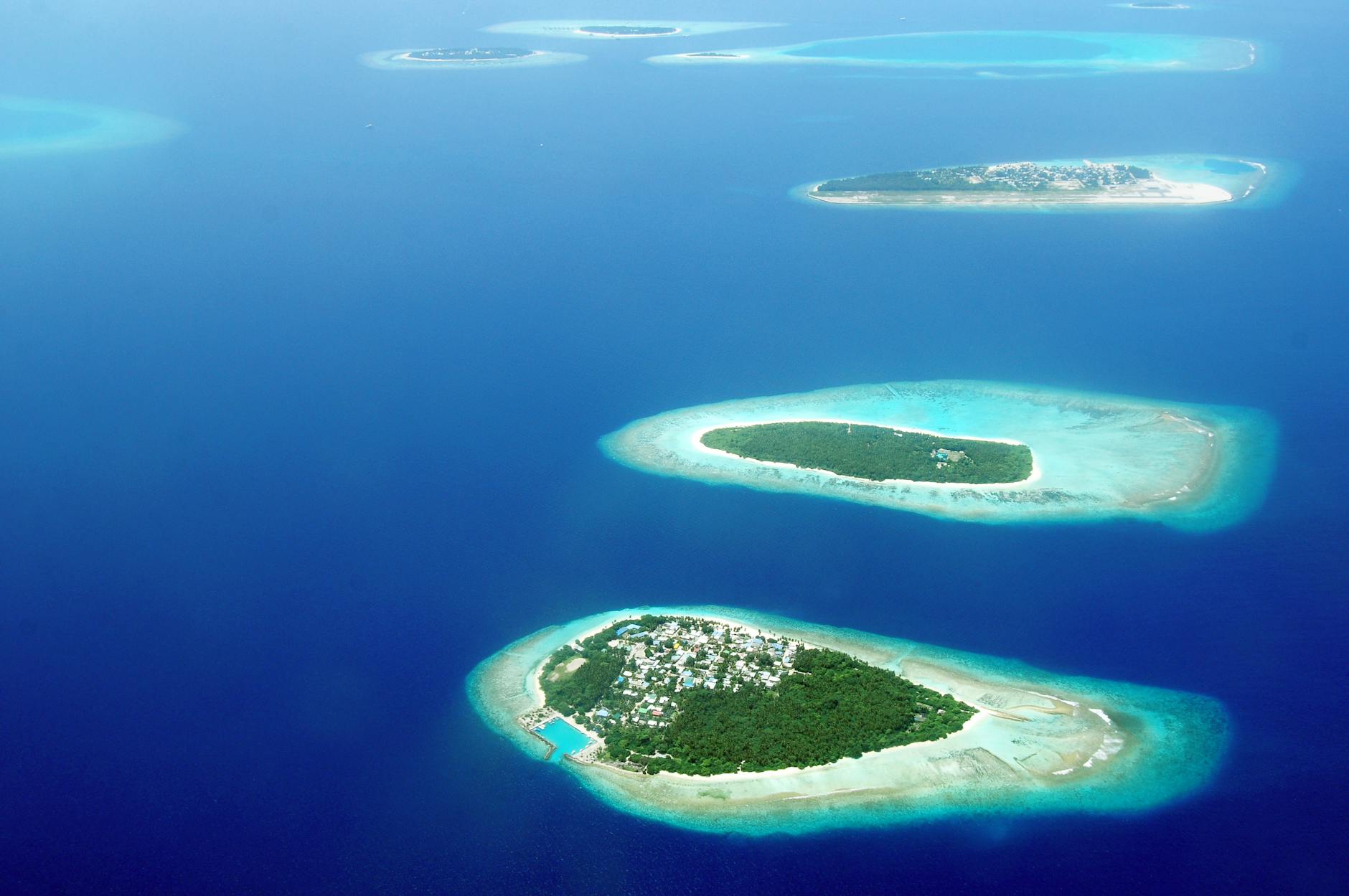
Isla Colón is one specific island within the broader Bocas del Toro archipelago. This deep-dive focuses on Isla Colón specifically and the practical realities of life on the largest island.
The geography is precise. Isla Colón is approximately 60 square kilometers — significantly larger than the other major islands in the archipelago. The island sits in the Caribbean Sea off the western coast of Panama, in Bocas del Toro province. Bocas Town occupies the southwestern corner of the island where the main commercial and residential development is concentrated. The rest of the island includes scattered residential and small commercial areas, agricultural land, beaches, mangrove forests, and undeveloped terrain.
Access to Isla Colón from mainland Panama is via the regional airport (Bocas del Toro Airport — BOC) which connects to Panama City (Albrook Airport) via Air Panama and Copa Airlines. Flight time is approximately 1 hour. Land access requires driving to Almirante or Changuinola on the mainland (8-9 hour drive from Panama City), then taking a water taxi across to Bocas Town (15-20 minutes). Most foreign residents and visitors arrive via the air route.
Bocas Town itself is a small Caribbean wooden-architecture commercial center — perhaps 5,000-7,000 permanent residents — anchored by the main street running along the waterfront. The town's architecture is distinctly Caribbean — colorful wooden buildings on stilts (some genuinely historic from the early 20th-century banana boom), restaurants and bars along the waterfront, the small commercial businesses serving residents and the steady tourism flow, and the dock infrastructure for the water taxis that define archipelago life.
The foreign-resident population on Isla Colón is estimated at 800-1,500 — significantly more than other islands in the archipelago. The community is multinational: North Americans, Europeans (particularly French, Italian, German), South Americans (especially Argentines and Brazilians), Australians, and various other origins. The defining feature that separates Isla Colón from any other Panama destination is the Caribbean island setting combined with practical infrastructure — the airport, the larger commercial scale, and the central position for archipelago travel.
What Isla Colón is not: an authentic small-town Panamanian community (the foreign-resident and tourism dynamics dominate Bocas Town), a place with mainland Panama amenities (most goods require water-taxi or air travel), or a place where you experience traditional Panamanian small-town life.
- Isla Colón is the largest island (~60 sq km) in the Bocas del Toro archipelago
- Bocas Town is the commercial and residential anchor on the southwestern corner
- Population in Bocas Town ~5,000-7,000; broader island population higher
- Access via Bocas del Toro Airport (BOC) — 1-hour flight from Panama City
- Caribbean wooden-architecture commercial center; original banana-boom settlement
- Tourism is dominant economy; foreign-residential services secondary
- Foreign-resident population ~800-1,500 (largest in archipelago)
- Practical infrastructure anchors travel to surrounding smaller islands
What Daily Life Looks Like

Daily life on Isla Colón runs on island-Caribbean rhythms that are fundamentally different from mainland Panama destinations.
Mornings are warm and humid. The island climate doesn't have the dramatic temperature swing of highland destinations or even mainland Pacific Riviera. By 7 AM Bocas Town is active — bakeries open, water taxis to surrounding islands depart, restaurants begin breakfast service, the commercial day begins.
The pace is genuinely island-paced. Most daily life happens within walking distance of the main Bocas Town corridor. Many residents walk, cycle, or use small-displacement scooters for transport within town. The compact size means foot-and-bike transport is practical for residents who live within the central area.
The day's natural rhythm is shaped by water taxi schedules to surrounding islands. The constant flow of water taxis between Isla Colón and the surrounding islands (Isla Carenero, Isla Bastimentos, Isla Solarte, Cayo Zapatilla, and smaller cays) defines the practical geography of life here. Many residents commute to and from surrounding islands daily.
Midday is hot and humid. Caribbean lowland heat — year-round 80-90°F (27-32°C) with very high humidity (often 80%+). AC is essential in indoor spaces, though traditional Caribbean construction with ventilation can be functional. The water-immersion lifestyle (frequent swimming, snorkeling, beach time) provides natural cooling.
For grocery shopping, the realities reflect island life. Isla Colón has multiple small grocery stores and one moderately-sized supermarket in Bocas Town. The supplies are functional for daily needs but limited compared to mainland options. PriceSmart and similar bulk stores require trips to the mainland (water taxi to Almirante, then drive to David — 4-5 hours total round trip), or air shipping. Many residents stock up substantially during periodic mainland trips.
The fresh seafood is exceptional. Direct from local fishermen, the fish, lobster, and other seafood is abundant and inexpensive. Local agricultural products (yuca, coconuts, plantains, tropical fruits) come from surrounding villages and the mainland.
Internet has improved dramatically. Fiber service through Más Móvil and Cable Onda covers most of Bocas Town. Mobile coverage is generally functional. Power can be intermittent — most established residents have backup systems. Water supply for foreign residences typically comes from cisterns and rainwater collection systems, particularly outside Bocas Town center.
- Caribbean island-paced rhythm; walking and bikes handle most daily life in Bocas Town
- Water taxi schedules shape practical geography of life
- Year-round 80-90°F (27-32°C); high humidity moderated by sea breeze
- AC essential indoors; water-immersion lifestyle provides natural cooling
- Multiple small groceries and one supermarket; specialty items require mainland or Panama City
- Fresh seafood exceptional; agricultural products from surrounding villages and mainland
- Internet improved with fiber + Starlink combinations
- Power and water systems require backup infrastructure
- Bocas Town nightlife more developed than most Panama destinations
- Weekend and high-season swings between peak December-April and quieter June-October
Climate and Environment

Isla Colón operates on a tropical Caribbean climate — year-round heat and humidity with two relatively distinct seasons, though seasonal variation is less dramatic than mainland Panama destinations.
Year-round daytime temperatures sit between 80°F and 90°F (27-32°C). The variation is narrow. Humidity is very high year-round (often 80%+). The sea breeze provides some moderation. AC is essential for sleep and comfortable indoor function in most properties.
The two seasons are less distinct than mainland Panama. The "dry" season (December through April, with some variation) brings somewhat less rain and more sunshine. Caribbean dry season is still meaningfully wetter than Pacific dry season — Bocas can receive rain even in December-April, just less frequently than other times of year.
The "wet" season (May through November, with significant rain throughout) brings more frequent rain. Different from Pacific Panama wet-season patterns: Bocas rains can come at any time of day, can persist longer than the Pacific afternoon-shower pattern, and can be more intense. October-November typically have the heaviest rainfall.
Isla Colón sits in the Atlantic hurricane belt latitude but is largely outside the typical Atlantic hurricane track. Significant direct hurricane strikes are extremely rare on Panama's Caribbean coast — the geographic position is unusually favorable compared to other Caribbean destinations. However, tropical storms and intense rainfall events can affect the region.
The Caribbean Sea around Isla Colón is warm year-round (80-85°F / 27-29°C). The coral reefs around the archipelago are real biodiversity hotspots — one of the most biodiverse marine environments in the eastern Caribbean. Bocas del Toro is one of the most biodiverse marine environments in the Atlantic. Coral reefs, mangrove forests, sea grass beds, and the surrounding marine ecosystems support remarkable biodiversity. Multiple turtle species nest on island beaches in season.
The land environment includes mangrove forests, rainforest patches, beaches, and the developed Bocas Town center. Wildlife on land includes monkeys (capuchins and white-faced), sloths, iguanas, various tropical birds, and the famous red-and-yellow strawberry poison-dart frog of Isla Bastimentos.
- Year-round 80-90°F (27-32°C); very high humidity moderated by sea breeze
- Two less-distinct seasons: dry Dec-Apr; wet May-Nov with rains more frequent
- Caribbean climate has more rain year-round than Pacific destinations
- Direct hurricane strikes extremely rare on Panama Caribbean coast — geographic advantage
- Caribbean Sea warm year-round (80-85°F); exceptional water clarity in many areas
- Coral reefs, mangrove forests, exceptional marine biodiversity
- Multiple turtle species nest on island beaches in season
- Monkeys, sloths, iguanas, tropical birds (including strawberry poison-dart frogs)
- Air quality excellent; earthquake risk moderate
Cost of Living Reality
Isla Colón has a distinctive cost structure shaped by island logistics, the established foreign-resident demand, and the tourism economy. The cost is somewhat higher than many mainland Panama destinations because of the logistics of bringing goods to the islands.
Housing varies dramatically by zone and type. A modest one-or-two-bedroom apartment in Bocas Town runs $500-1,200 per month for long-term rental. Furnished units run $700-1,500. Single-family homes and Caribbean wooden-architecture residences range from $800-2,500+ depending on size, location (Bocas Town vs. outlying island areas), and amenities.
Buying property: $80,000 to $1.5M+ covers a wide range. Modest in-town homes start below $150,000. Mid-range single-family homes run $150,000-400,000. Higher-end ocean-view or premium properties run $400,000-$1M. Some over-water properties command premium. Foreigners hold full fee-simple title in Panama — no trust structure required. Transaction costs run 5-7% including legal, registration, and 2% ITBI transfer tax.
Independent legal review is essential for any purchase. The Bocas archipelago land market has some complexity, particularly with rural properties, beach-adjacent land with traditional family ownership, indigenous community land considerations (the Ngäbe-Buglé Comarca has specific land regulations), and properties with informal subdivision histories.
Electricity is meaningful — AC-heavy properties can run $200-500+ monthly during peak heat. Water and basic utilities are inexpensive but vary; many properties rely on rainwater cisterns. Internet runs $50-100 monthly for fiber where available; Starlink approximately $100-150 monthly for backup.
Restaurants and dining: Local Panamanian sodas serve full meals for $5-10. Mid-tier restaurants in Bocas Town run $10-25 per person. Higher-end and foreign-oriented restaurants run $20-50 per person. The variety of restaurants is substantial for an island this size.
The honest monthly range: modest lifestyle with apartment, local groceries, and basic dining runs $1,500-2,500 monthly. Comfortable lifestyle with a real home, regular dining, and full participation runs $2,500-4,000+. The full waterfront or premium property lifestyle runs $3,500-6,000+.
- Apartment rentals $500-1,500/month; homes $800-2,500+
- Buying range: $80K modest to $1.5M+ premium
- Foreign buyers hold full fee-simple title; transaction costs 5-7%
- Indigenous community land considerations require legal review on some properties
- Electricity meaningful for AC-heavy properties; water cisterns common
- Vacation rental market established; meaningful revenue possible
- Realistic monthly floor: $1,500-2,500; comfortable: $2,500-4,000+; premium: $3,500-6,000+
Healthcare Access

Isla Colón has limited local healthcare. Healthcare distance is one of the significant practical considerations, though somewhat less limiting than at smaller archipelago islands.
For routine care, several private clinics in Bocas Town handle general practice, common illnesses, and minor injuries. The local hospital (Hospital de Bocas del Toro) handles many needs locally — better than smaller archipelago islands but still limited compared to mainland Panama hospitals.
For more substantial care, Almirante on the mainland (15-20 minutes by water taxi from Bocas) has additional clinic infrastructure. Changuinola (1 hour by water taxi plus drive) has a regional hospital.
For hospital-level care, Panama City is the destination — accessible via 1-hour Bocas-Panama City flight via Air Panama or Copa. Hospital Punta Pacífica (Johns Hopkins-affiliated) is the regional premier private hospital. Total transit from Bocas to Hospital Punta Pacífica including water taxi, flight, and ground transport is approximately 3-4 hours under normal conditions.
Air ambulance services exist for very serious cases requiring rapid transport. Pharmacies in Bocas Town are limited but functional. Specialty medications require Panama City. Pediatric and complex care typically requires Panama City for foreign families.
The honest assessment for foreign residents: Isla Colón's healthcare access is functional for routine needs and reasonable for most life phases of healthy active residents. The 1-hour flight to Panama City for serious medical needs is more accessible than the multi-hour drives that other Bocas archipelago islands require. For residents managing serious chronic conditions or requiring frequent specialist visits, the healthcare geography is real but more manageable from Isla Colón than from smaller surrounding islands.
- Hospital de Bocas del Toro handles many local needs
- Several private clinics in Bocas Town for routine care
- Almirante (15-20 min water taxi) for additional clinic infrastructure
- Changuinola (1 hour water taxi + drive) for regional hospital
- Panama City (1-hour flight) for premier care; Hospital Punta Pacífica
- Air ambulance services exist for serious cases
- Pharmacies functional locally; specialty medications require Panama City
- Healthcare access better than smaller archipelago islands
Getting Around and Getting Out
Within Isla Colón, the geography supports walking, cycling, and small-vehicle transport. Bocas Town center is genuinely compact — many residents walk for daily life. Some smaller-displacement scooters and golf carts handle short-distance transport.
Water taxis are the defining transport feature. The constant flow of water taxis between Isla Colón and the surrounding islands (Isla Carenero, Isla Bastimentos, Cayo Zapatilla, Isla Solarte, and smaller cays) shapes the geography of practical life. Water taxi service is reliable, frequent, and reasonably priced ($2-15 per trip depending on destination). Many residents travel between islands daily.
For getting out of Isla Colón, the Bocas del Toro Airport (BOC) on the island provides the practical international travel route. Air Panama and Copa Airlines operate flights to Panama City (Albrook Airport) — approximately 1 hour flight time. From Panama City, international flights via Tocumen.
International travel total transit time: approximately 4-5 hours including water taxi to airport (if living outside Bocas Town), the 1-hour flight, and ground transport in Panama City.
Land access alternative: water taxi from Bocas Town to Almirante (15-20 minutes) or Changuinola (1 hour), then drive to Panama City (8-9 hours from Almirante). Regional bus and water taxi service connects all major destinations within the archipelago. From Almirante or Changuinola, bus service connects to David (3-4 hours) and onward to Panama City (8-9 hours total).
The combination of compact Bocas Town walkability, frequent water taxi service, and the regional airport makes Isla Colón meaningfully better connected than smaller archipelago islands.
- Bocas Town compact and walkable; bicycles and scooters common
- Water taxis are defining transport feature; service to surrounding islands frequent
- Bocas del Toro Airport (BOC) on island; 1-hour flight to Panama City
- Total international travel transit ~4-5 hours
- Mainland water taxi to Almirante (15-20 min) or Changuinola (1 hour) for road access
- Small motorcycles, scooters, golf carts popular for in-island transport
- Uber not active; taxis limited
- Better connected than smaller archipelago islands
Community and Social Life
Isla Colón's community is defined by the international and tourism-driven character of Bocas Town and the broader archipelago, with a smaller permanent Panamanian community and a substantial established foreign-resident population.
The foreign-resident community is substantial — estimated at 800-1,500 on Isla Colón. The community is multinational and varied: North Americans (US and Canadian), Europeans (particularly French, Italian, German, Dutch), South Americans, Australians. Residents include foreign retirees, remote workers, tourism entrepreneurs (lodge owners, dive shops, restaurants), and a notable subset of younger international residents drawn by the Caribbean island lifestyle.
The Panamanian community in Bocas Town and broader Isla Colón is real but smaller than at most mainland destinations. Multi-generational Bocateños with roots in fishing, tourism, the historic banana economy, and various sectors anchor the local Panamanian community. The Ngäbe-Buglé indigenous community has significant presence throughout the broader archipelago, particularly on surrounding islands.
Common gathering points are clear. Bocas Town has multiple established bars, restaurants, and community spaces. The dive and snorkeling operations create sub-community connections. Various seasonal events (carnaval, the Bocas del Toro fair, music festivals) anchor the cultural calendar. Caribbean cultural character is real — reggae music, Caribbean cuisine, the surrounding island culture.
Spanish proficiency expands social access. Bocas is unusual among Panama destinations in supporting English-only daily life better than most, but real integration with the broader Panamanian community benefits from Spanish. The community character: international, tourism-and-foreign-resident driven, Caribbean-influenced, multilingual.
- Substantial foreign-resident community (800-1,500); largest in Bocas archipelago
- Multinational community: North American, European, South American, Australian
- Younger international demographic skew compared to most mainland Panama destinations
- Ngäbe-Buglé indigenous communities significant throughout broader archipelago
- Caribbean cultural character: reggae, Caribbean cuisine, multilingual environment
- English-only daily life more functional than most Panama destinations
- Established gathering points along Bocas Town main strip
- Carnaval and various festivals throughout year
- Community character: international, Caribbean-influenced, tourism-driven
Schools and Family Life
Isla Colón has families and provides educational infrastructure functional for the local Panamanian community but limited for foreign-family international education preferences.
Public schools serve the local Panamanian community in Spanish. Some bilingual private schools exist in Bocas Town, serving the foreign and Panamanian wealthy communities. The infrastructure is more developed than at smaller archipelago islands but limited compared to mainland Panama options. For comprehensive international/IB curriculum, Panama City is required.
Most foreign families with school-age children who choose Bocas archipelago for primary residence consider Isla Colón specifically because of the bilingual school options that don't exist on smaller surrounding islands.
Pediatric healthcare follows the regional pattern — local clinics for routine, Panama City for complex needs.
Activities for children: the marine and Caribbean environment provides exceptional opportunities. Snorkeling, surfing, swimming, boat trips, beach time, exposure to diverse marine wildlife (sea turtles, fish, corals, rays). Hiking on surrounding islands. Cultural exposure to Caribbean culture, indigenous communities, and the multinational environment.
The texture of family life: For families that value Caribbean island childhood, marine environment immersion, and have flexibility around education, Isla Colón offers something distinctive. For families needing comprehensive educational infrastructure or internationally accredited curriculum, Panama City is the practical alternative.
- Public schools in Spanish; quality reasonable by regional standards
- Some bilingual private schools in Bocas Town; more developed than smaller archipelago islands
- Internationally accredited curriculum requires Panama City
- Pediatric specialists in Panama City for complex care
- Caribbean marine environment provides exceptional childhood opportunities
- Some structured activities for foreign families exist
- Most school-age foreign families needing IB/US-accredited education choose Costa del Este
Working and Income
Isla Colón works for foreign retirees with pension income, for remote workers attracted by Caribbean island lifestyle, for tourism-and-lifestyle entrepreneurs, and for foreign professionals in specific sectors.
For remote workers, internet infrastructure has improved dramatically. Fiber service through Más Móvil and Cable Onda covers most of Bocas Town. Starlink works well for outlying properties or as backup. Time zone is UTC-5 year-round (no DST), aligned with US Eastern Standard Time. Coworking-style cafes operate in Bocas Town. The remote-work community is established and visible.
For tourism-and-lifestyle entrepreneurship, Isla Colón is one of Panama's primary destinations for foreign entrepreneurs in dive operations, snorkeling tours, boat charters, surf schools, restaurants, B&Bs and small hotels, real estate brokerage, and property management. The established tourism flow and the foreign-resident community provide both customers and infrastructure.
Vacation rental income is significant for many Isla Colón properties. The Caribbean island appeal, the established tourism flow, and the seasonal demand support meaningful short-term rental revenue. The market is mature and competitive.
For foreign retirees, the Pensionado visa applies the same as anywhere in Panama. Territorial tax system: foreign-source income is generally not taxed by Panama for residents. The Friendly Nations and Qualified Investor visas align with Isla Colón property purchases for some buyers seeking residency through investment.
- Pensionado visa applies; functional for retirement with appropriate budgeting
- Remote work viable; fiber + Starlink + coworking cafes; UTC-5 aligned
- Tourism-and-lifestyle entrepreneurship at established scale
- Vacation rental market mature and competitive
- Foreign professionals in real estate, property management
- Territorial tax: foreign-source income generally not taxed by Panama for residents
- Caribbean island lifestyle is the distinctive appeal
Safety and Honest Concerns
Isla Colón has a functional safety profile, with conditions that are different from mainland Panama destinations.
Petty crime is the most common concern. Property theft from unsecured or vacant properties, opportunistic break-ins, theft from boats and water taxis, and various opportunistic petty crimes happen with some regularity in Bocas Town. The tourist-volume dynamics create somewhat more petty crime opportunity than at smaller, more isolated destinations. Active property management, secured properties, and standard urban precautions reduce risks substantially.
Violent crime is uncommon. Isla Colón is generally safe at this level. Some isolated incidents over the years have generated headlines but the baseline is generally safe.
Beach and water safety is significant. Caribbean conditions including currents, surf at certain breaks, and the general open-water environment require awareness. Boating accidents, water taxi mishaps, and swimming incidents occur.
Weather hazards: heavy rain events can affect island and water transport. Tropical storms (rarely direct hurricanes) require attention. Construction quality varies dramatically — the combination of high humidity, salt air, and wooden architecture aging means properties show wear quickly. Independent inspection is essential.
The healthcare distance is itself a safety consideration. Hurricane risk: extremely low for Panama Caribbean coast — meaningful geographic advantage.
- Petty crime more common than at smaller Panama destinations
- Violent crime uncommon
- Beach and water safety considerations real
- Hurricane risk extremely low — meaningful geographic advantage
- Construction quality varies dramatically; independent inspection essential
- Earthquake risk moderate
- Healthcare distance is real consideration
The Hard Truths
This is where the marketing language stops. Isla Colón and Bocas del Toro have been marketed extensively as "the Caribbean Tulum" or "undiscovered Caribbean paradise" — both framings have real elements and important distortions.
The Tulum comparison oversells. Isla Colón is genuinely different — much smaller infrastructure, smaller foreign-resident community, different cultural feel, different cost structure. People expecting Tulum-style amenities are disappointed. The "undiscovered" framing is dated. Bocas has been on the foreign-resident map for 20+ years. Property prices reflect this.
The infrastructure is genuinely limited compared to mainland. Specialty groceries, hardware, vehicle service, specialty medical care, and many services require trips to the mainland or Panama City. Living on an island has real practical limitations that some buyers underestimate.
The Caribbean weather pattern affects daily life. The "wet season" reality (May-November with frequent rain) is meaningfully different from Pacific Panama dry-and-wet patterns. Some weeks of rain can affect outdoor activities, water taxi service, and general island life.
The humidity is genuinely high. 80%+ humidity year-round affects construction, electronics, comfort, and daily life. Some foreign residents from drier climates struggle with the humidity reality. Construction quality varies dramatically — wooden Caribbean architecture is appealing but ages rapidly without active maintenance.
The vacation rental market is real but competitive. Property prices and operating costs require strong rental management. Some properties earn meaningful income; others struggle to cover operations. Property appreciation has been volatile — the market is small and demand can shift.
First-year adjustment is significant. The combination of island infrastructure, healthcare distance, the seasonal weather patterns, and the broader Caribbean-island reality test new residents. Those who get through 18-24 months typically settle in well. The Caribbean island setting is genuinely the appeal — but the trade-offs are equally real.
- Tulum or undiscovered Caribbean framings oversimplify; Isla Colón is its own place
- Infrastructure genuinely limited compared to mainland
- Caribbean wet-season pattern affects daily life
- Humidity 80%+ year-round affects construction, electronics, comfort
- Construction quality varies dramatically; salt air and humidity continuously hard on buildings
- Health distance real even with 1-hour Panama City flight
- Tourism dynamics shape community feel; seasonal pattern dramatic
- Vacation rental market mature and competitive
- Property appreciation volatile; speculative expectations not always realized
- First-year adjustment significant
- Caribbean island setting is real appeal; trade-offs equally real
Frequently Asked Questions About Living in Isla Colón
Is Isla Colón safe for foreigners to live in?
Isla Colón has a functional safety profile. Petty crime is the most common concern, particularly with vacant properties and in tourist contexts. Violent crime is uncommon. Active property management and standard precautions address most realistic risks.
How much does it cost to live in Isla Colón?
Modest lifestyle with apartment, local groceries, and basic dining runs $1,500-2,500 monthly. Comfortable lifestyle with a real home, regular dining, and full participation runs $2,500-4,000+. Premium waterfront or larger property lifestyle runs $3,500-6,000+.
Do I need to speak Spanish to live in Isla Colón?
Less than most Panama destinations because of the international demographic and tourism economy that supports English-language daily life. However, real integration into Panamanian community life and the surrounding indigenous communities benefits from Spanish proficiency.
What is the best time of year to visit Isla Colón?
Caribbean dry season (December through April) brings less rain and more reliable weather for outdoor activities. February-March is often the most popular visiting time. Spending time during both dry and wet seasons before committing is wise — the experiences are different.
Quick Reference: Isla Colón At a Glance
- Province
- Bocas del Toro
- Region
- Bocas del Toro Archipelago / Caribbean Panama
- Time Zone
- UTC-5 (EST, no DST)
- Airports
- BOC (Bocas del Toro, on island); PTY (Tocumen, international via Panama City)
- Foreign Ownership
- Full fee-simple title
- Peak Season
- December – April (dry season); year-round tourism
Getting There
International arrivals through Tocumen International (PTY) in Panama City — domestic flight from Albrook Airport (PAC) to Bocas del Toro Airport (BOC) via Air Panama or Copa — approximately 1 hour. Alternative: 8-9 hour drive from Panama City to Almirante mainland, then water taxi to Bocas Town (15-20 minutes).
Real Estate Overview
Isla Colón offers Panama's most distinctive Caribbean island real estate market — Bocas Town wooden architecture, ocean-view properties, and surrounding island access. Range spans modest in-town homes ($80K-150K), mid-range single-family homes ($150K-400K), higher-end ocean-view properties ($400K-$1M), and premium waterfront ($1M-$1.5M+). Foreign buyers hold full fee-simple title. The market is established, mature, and competitive for the foreign-buyer market.
What Works
- Bocas del Toro Airport (BOC) on island — 1-hour flight to Panama City
- Established foreign-resident community (800-1,500) — largest in Bocas archipelago
- Caribbean island lifestyle with established infrastructure
- Exceptional marine biodiversity; coral reef and snorkeling/diving access
- Hurricane risk extremely low for Panama Caribbean coast — geographic advantage
- Bocas Town walkable for daily life
- Vacation rental market mature; meaningful revenue possible
- English-only daily life more functional than most Panama destinations
What to Consider
- Caribbean wet-season pattern affects daily life
- Humidity 80%+ year-round affects construction, comfort
- Infrastructure limited compared to mainland Panama
- Specialty needs require mainland or Panama City
- Healthcare distance: 1-hour flight for serious medical needs
- Construction quality varies dramatically; independent inspection essential
- Vacation rental market competitive; conservative underwriting essential
- Tourism dynamics shape community feel
Practical Notes
Choosing Isla Colón means choosing Panama's most established Caribbean island lifestyle — Bocas Town wooden architecture, the airport connection to Panama City, the largest foreign-resident community in the Bocas archipelago, and the practical infrastructure for surrounding-island access. The trade-off is the real island reality: infrastructure limitations, Caribbean wet-season pattern, humidity, construction maintenance challenges, healthcare distance, and the tourism-and-foreign-resident dynamics that shape Bocas Town's character. People who thrive on Isla Colón value the Caribbean island lifestyle, the international demographic, the marine environment access, and the established foreign-resident infrastructure that smaller surrounding islands lack. The Pensionado visa applies for qualifying foreign retirees. Independent property due diligence is essential — Bocas archipelago property has specific complexities including Ngäbe-Buglé Comarca land regulations in some areas, construction quality variation, and the broader island legal environment. Spending time during both dry season and wet season before committing is wise. The 1-hour Panama City flight provides significant accessibility advantage over mainland-only destinations. Give yourself two full years before judging — Isla Colón rewards Caribbean island lifestyle commitment but tests expectations of mainland infrastructure.
Explore Isla Colón Listings
Isla Colón Caribbean Homes | Isla Colón Investment Property | All Isla Colón Property
Nearby Areas
Related Isla Colón Resources
Isla Colón Market Hub — Browse Listings | Bocas del Toro Living Guide — Caribbean Archipelago Umbrella Guide | Bocas del Toro Market Hub — Browse Listings | Caribbean Panama for Foreign Buyers | Panama Beach Property for Vacation Rental Investors | Best Places to Retire in Panama | Where Expats Buy Property in Panama | Panama Real Estate Guide for American Buyers | Portobelo Living Guide — Alternative Caribbean Panama: UNESCO Village & Cultural Heritage