What Is Life in Bocas del Toro, Panama Like?
Bocas del Toro

Bocas del Toro is unlike anywhere else in Panama. A Caribbean archipelago of nine main islands and dozens of smaller ones, an Afro-Caribbean and indigenous Ngäbe cultural region that operates on water-taxi time, and one of the most authentically off-grid places in Latin America where foreign residents have settled in meaningful numbers. It is not Tulum, not Roatán, not the developed Caribbean of marketing imagination. It is rougher, smaller, more genuinely island, and the people who have chosen to build their lives here have made a deliberate choice about what they value. This guide is written for people seriously considering that choice.
What Bocas del Toro Actually Is
Bocas del Toro is not what most people imagine before they arrive. It has been on the backpacker trail since the 1990s and on the foreign-buyer radar since the early 2000s. It is not undiscovered. But it has also not been Tulum-ified, not been developed into a luxury resort coast, and not turned into the polished Caribbean of Cancún or Cabo. What it has become is something more interesting and harder to categorize — a Caribbean archipelago where the original Afro-Caribbean Bocatoreño community, the indigenous Ngäbe-Buglé people, and 2,000–3,000 established foreign residents share a small, off-grid island system.
The geography is the first thing to understand. Bocas Town on Isla Colón is the commercial hub — walkable, with the airport, banks, supermarkets, and most businesses. Isla Bastimentos (15–20 minutes by water taxi) is the largest outer island with Old Bank, Red Frog Beach, and significant foreign-buyer development. Isla Carenero (5 minutes) is close to town but quieter and more residential. The mainland — Almirante, Changuinola — is the practical entry point and shopping destination, not where most foreign residents live.
The population of the entire archipelago is approximately 20,000. The foreign-resident population of 2,000–3,000 is significant for this base — foreigners are a visible presence, not a tiny minority. Bocas Airport (BOC) on Isla Colón has daily 1-hour Air Panama flights to Panama City. Most arrivals fly directly.
- Bocas del Toro is an archipelago of 9 main inhabited islands on Panama's Caribbean coast
- Bocas Town on Isla Colón is the commercial hub; outer islands accessed by water taxi
- Population ~20,000 archipelago-wide; ~2,000-3,000 foreign residents
- Mixed Afro-Caribbean Bocatoreño, indigenous Ngäbe-Buglé, and foreign-resident communities
- Airport (BOC) on Isla Colón — daily 1-hour Air Panama flights to/from Panama City
- Significantly off-grid by Panamanian standards — power outages, water systems vary by island
- Genuinely Caribbean island living with established foreign-resident infrastructure to help
What Daily Life Looks Like

Daily life in Bocas del Toro runs on water-taxi time, and everything else flows from that. The water taxi is the central infrastructure of life across the archipelago. From Bocas Town, regular pangas run to Bastimentos, Carenero, Solarte, and other islands throughout the day. Fares are inexpensive ($1–5 per trip). Service runs from early morning to early evening; later returns require pre-arrangement. Residents quickly develop relationships with specific boat drivers they call for transport.
Mornings start early. Midday is hot — year-round Caribbean tropical heat with humidity. AC is essential. Many residents structure their day around morning and late-afternoon outdoor activity, with indoor work during the heat. Afternoons cool slightly as the trade winds pick up. The sunset social ritual is strong — bars along the waterfront fill, residents and tourists overlap. For groceries, Super Gourmet in Bocas Town has imported goods; smaller supermercados handle staples; the mercado sells fresh fish and produce at local prices. For larger shopping, residents take the ferry to the mainland monthly. Banking is functional but limited. Internet, power, and water systems are genuinely island — backup systems (battery, generator, solar + Starlink) are standard, not optional.
- Water taxis are central infrastructure; service throughout daylight, by pre-arrangement after dark
- Mornings active 6-10 AM; midday slower in heat; sunset social hour is a defining ritual
- Super Gourmet for imported groceries; mercado for fresh; mainland trips for larger shopping
- Banking functional but limited; cash management requires more planning than mainland
- Internet/power/water systems are genuinely island — backup systems are standard, not optional
- Less dramatic weekend/weekday split than mainland Panama; tourism economy is constant
- Sundays still have Caribbean rhythm — slower start, beach time, church for local community
Climate and Environment

Bocas del Toro operates on a Caribbean tropical climate that is meaningfully different from mainland Panama in two important ways: rainfall pattern and hurricane consideration. Year-round temperatures sit between 75°F and 88°F (24–31°C). Humidity is high year-round. AC is essential. Unlike most of Panama, Bocas does not have a clear dry season — the Caribbean coast receives rainfall year-round, with October through December being wettest and January through April being relatively drier.
Hurricane and tropical storm risk is real. Bocas del Toro is the part of Panama with the most exposure to Atlantic weather systems. Hurricane Otto in 2016 caused significant damage. Major hurricanes are uncommon but possible. Construction quality and insurance are real considerations.
The Caribbean Sea is warm year-round (78–84°F / 26–29°C) and one of the most biodiverse marine ecosystems in the Atlantic. The Smithsonian Tropical Research Institute (STRI) operates a research station in Bocas Town. Snorkeling and diving are world-class. The land environment is jungle — densely forested islands with howler monkeys, sloths, capuchins, and dozens of bird species. People on jungle-adjacent properties learn to coexist with wildlife, including venomous snakes in small numbers.
- Caribbean tropical climate: 75-88°F (24-31°C) year-round, high humidity
- No clear dry season — rainfall year-round with wetter (Oct-Dec) and drier (Jan-Apr) periods
- AC essential year-round; trade winds (Dec-Apr) provide some natural cooling
- Hurricane risk real — Panama's Caribbean coast has more Atlantic weather exposure than the Pacific
- World-class marine biodiversity; Smithsonian research station in Bocas Town
- Jungle environment on outer islands — wildlife, snakes, monkeys, insects are part of daily life
- Mosquitoes require attention; dengue is documented
Cost of Living Reality
Bocas del Toro is the most expensive Caribbean destination in Panama and significantly cheaper than comparable Caribbean islands elsewhere. The cost structure reflects the island reality — imports are expensive, transportation adds cost to everything. The dollarized economy means prices are directly comparable to US prices without currency math.
Housing varies dramatically by island. A one-or-two-bedroom apartment in Bocas Town runs $500–1,200 per month. Houses on Isla Colón run $800–2,500. Properties on outer islands range from rustic cabins ($400–800) to high-end beachfront homes ($2,000–5,000+). Buying range: $50,000 rustic outer-island cabins to $1.5M+ beachfront. Foreign buyers hold full fee-simple title. Transaction costs run 5–7%. Independent legal review is essential — title issues exist in some areas.
Electricity is expensive and intermittent. Most residents have backup systems as standard. Internet is the practical pain point — fiber where available runs $50–100 monthly; many residents pay for multiple connections (fiber + cellular + Starlink). The Pensionado visa applies for qualifying retirees. Realistic monthly floor: $1,500–2,500; comfortable lifestyle with a real house runs $3,000–5,000+; the full beachfront lifestyle runs $5,000–10,000+.
- Caribbean island premium on imported goods — everything arrives by boat
- Housing: $500-1,200 town apartments; $800-5,000+ houses depending on island and amenities
- Buying range: $50K rustic outer-island cabins to $1.5M+ beachfront
- Foreign buyers hold full fee-simple title; transaction costs 5-7%
- Power, water, internet require backup systems as standard, not optional
- Pensionado visa benefits apply same as anywhere in Panama
- Realistic monthly floor: $1,500-2,500; comfortable: $3,000-5,000+; full island lifestyle: $5,000-10,000+
Healthcare Access
Healthcare is the most significant practical limitation of living in Bocas del Toro. Hospital Bocas, on Isla Colón, is the only hospital in the archipelago. It provides basic emergency services, routine care, and stabilization — it is not a full-service hospital. Complex surgery, specialist care, and sustained intensive care all require travel to Panama City or, in some cases, to Costa Rica.
Several private clinics in Bocas Town serve routine medical needs. For anything requiring hospital-level care beyond stabilization, the path is to Panama City — Hospital Punta Pacífica (Johns Hopkins-affiliated) is the regional premier private hospital. The route is air evacuation from Bocas if urgent, or a 1-hour commercial Air Panama flight for non-emergency cases. Many residents subscribe to private air ambulance services. For cross-border access, Costa Rica hospitals in Limón and San José are used by some residents for specialist care — the 2–3 hour ground journey via Sixaola is a legitimate option.
The honest assessment: Bocas works for healthy, active foreign residents who understand and accept the healthcare distance. It does not work as well for people managing serious chronic conditions or requiring frequent specialist visits. Some residents choose Bocas for an active phase and then relocate to David or Panama City as healthcare needs increase.
- Hospital Bocas: basic emergency, routine care, stabilization — not full-service
- Complex care requires air travel to Panama City or ground travel to Costa Rica
- Private air ambulance services exist for evacuation
- Several private clinics in Bocas Town for routine needs
- Pharmacies stock basics; specialized medications may require mainland ordering
- Cross-border access to Costa Rica (Limón, San José) is a legitimate option for some care
- Healthcare distance is the most significant practical limitation of living in Bocas
Getting Around and Getting Out
Getting around Bocas means water taxis, boats, and a small road network on Isla Colón. Within Isla Colón, Bocas Town is walkable. Bicycles work well. Some residents own scooters for longer trips to the airport or to Boca del Drago on the north end. For everything beyond Isla Colón, water transport is the only option.
Boats depart regularly throughout the day to Bastimentos (15–20 min), Carenero (5 min), Solarte (10–15 min), and Cristóbal (20–25 min). Fares run $1–5 per trip. Many residents on outer islands keep their own small boats — requiring basic boating knowledge and acceptance of salt-water maintenance. For getting out of Bocas, Bocas Airport (BOC) handles daily Air Panama flights to Panama City (1 hour). The mainland route involves the Bocas Town–Almirante ferry (1 hour) then ground transport — 10–12 hours total to Panama City, or 1.5–2 hours to the Costa Rica border at Sixaola.
- Water taxis are the central inter-island infrastructure; $1-5 per trip; daily service to all major islands
- Isla Colón has limited road network; Bocas Town is walkable
- Some residents own their own small boats; salt-water maintenance is real
- Bocas Airport (BOC) — daily 1-hour Air Panama flights to Panama City
- Mainland route via Almirante ferry (1 hour) + ground transport
- Costa Rica access at Sixaola border crossing — 1.5-2 hours from Almirante
- Online orders and packages slower than mainland Panama
Community and Social Life

Bocas del Toro's community is layered and unusually integrated for a Caribbean destination. The Bocatoreño community — Afro-Caribbean families with roots going back generations, descendants of West Indian workers from the banana plantation and canal eras — is the cultural foundation of the archipelago. English-based Caribbean Creole is widely spoken among Bocatoreños, alongside Spanish. The Ngäbe-Buglé indigenous community is the second major cultural foundation, with distinct language, dress, and cultural practices.
The foreign-resident community is approximately 2,000–3,000 people across the archipelago. North Americans dominate by count, with significant European, Australian/New Zealand, Israeli, and South American communities. A long-standing backpacker scene anchors part of the social culture. Non-profits offer community entry points: animal welfare (Salvemos a los Animales), educational support for Ngäbe communities, conservation work in the Marine Park. Cultural anchors include Carnival (February/March), Día de la Etnia Negra (May), and the Bocas del Toro Sea Festival. Making friends is easier than in mainland Panamanian cities because the foreign-resident scene is concentrated and the small population means you see the same faces repeatedly.
- Multi-layered community: Bocatoreño Afro-Caribbean, Ngäbe-Buglé indigenous, established foreign residents, rotating backpacker population
- English-based Caribbean Creole widely spoken among Bocatoreños alongside Spanish
- ~2,000-3,000 foreign residents archipelago-wide — significant for the small population base
- Long-standing backpacker scene with bars, dive shops, international young-traveler culture
- Volunteer/community entry points: animal welfare, Ngäbe education, marine conservation
- Carnival (Feb/March) and Día de la Etnia Negra (May) are cultural anchors
- English-only residents have more options here than in mainland Panama due to Caribbean Creole presence
Schools and Family Life
Bocas del Toro has families and has raised children for generations, but the educational and family-services infrastructure is limited compared to mainland Panama. Public schools serve local Bocatoreño, Ngäbe, and Panamanian families in Spanish. Quality varies significantly, especially in remote outer-island locations. For expat families, options are limited — a small bilingual school in Bocas Town serves some primary-level students. Beyond primary level, there is no full international secondary school in the archipelago.
Families with secondary-school children typically: send children to boarding schools in Panama City or abroad; use distance learning/homeschooling; or relocate to Panama City during school years. The natural environment is the dominant childhood backdrop: swimming, snorkeling, jungle exploration, boating, beach play — kids grow up with outdoor freedom uncommon in North American childhoods. The trade-off is that organized activities are very limited. Many families who relocate to Bocas with school-age children later move to mainland Panama for educational reasons.
- Public schools in Spanish; quality varies dramatically by location
- Limited bilingual primary options in Bocas Town; no international secondary school
- Beyond primary: boarding school, distance learning, homeschool, or relocate to Panama City
- Pediatric healthcare basic locally; anything significant requires Panama City
- Outdoor-childhood backdrop is real; organized children's activities very limited
- Many families who relocate for the lifestyle eventually return to mainland for education
Working and Income

Bocas works well for remote workers (with caveats), modestly for foreign retirees with pension income, and challengingly for those seeking local employment. For remote workers, internet is the practical limitation. Many digital nomads run combinations — fiber where available, cellular hotspots, Starlink for backup or primary. Time zone is UTC-5 year-round (no DST), aligned with US Eastern Standard Time.
For foreign retirees, the Pensionado visa applies the same as anywhere in Panama — $1,000+ monthly pension income qualifies for substantial discounts. The territorial tax system means foreign-source income is generally not taxed by Panama for residents. For local employment, options are limited and tourism-dependent — hospitality, water sports, dive operations, restaurants. Foreigners working locally require appropriate work authorization. Entrepreneurship in Bocas is real but challenging — real estate brokerage and property management for foreign-owned properties offer stable opportunities. Vacation rental income exists but the market is mature and competitive.
- Remote work viable with internet redundancy (fiber + cellular + Starlink); UTC-5 aligned with US Eastern Standard
- Pensionado visa benefits apply for qualifying foreign retirees
- Local employment limited; tourism-dependent; pay reflects Panamanian economy
- Entrepreneurship challenging — hospitality saturated; property management is sustainable niche
- Vacation rentals competitive; conservative underwriting essential
- Territorial tax: foreign-source income generally not taxed by Panama for residents
Safety and Honest Concerns
Bocas del Toro is among the safer Caribbean destinations and has real safety considerations that residents learn to manage. Violent crime is uncommon by Caribbean standards. Petty crime is the most common issue: theft from unsecured properties, opportunistic break-ins of vacant homes on outer islands, and pickpocketing in tourist areas. The empty-vacation-home problem is real — active property management and trusted local caretakers are how most foreign owners address it.
Water safety is significant. Boat accidents happen. Drownings happen. Rip tides exist at some beaches. Basic boating, swimming, and ocean awareness matter. Wildlife considerations include snakes (fer-de-lance, eyelash viper), scorpions, large spiders, and mosquitoes carrying dengue on jungle properties. Hurricane and tropical storm preparation matters. Health concerns specific to the region: dengue and chikungunya have produced outbreaks. Personal mosquito protection is part of daily life. The healthcare distance is itself a safety consideration — serious medical events require evacuation, which means time and logistics.
- Violent crime uncommon by Caribbean standards
- Petty crime (theft from unsecured properties, vacant home break-ins) most common
- Empty vacation homes on outer islands can become targets — active property management essential
- Water safety significant — boat traffic, currents, drowning risk all real
- Wildlife (snakes, scorpions, mosquitoes) present in jungle areas
- Hurricane and tropical storm preparation matters
- Dengue documented; personal mosquito protection part of daily life
- Healthcare distance is itself a safety consideration for emergencies
The Hard Truths
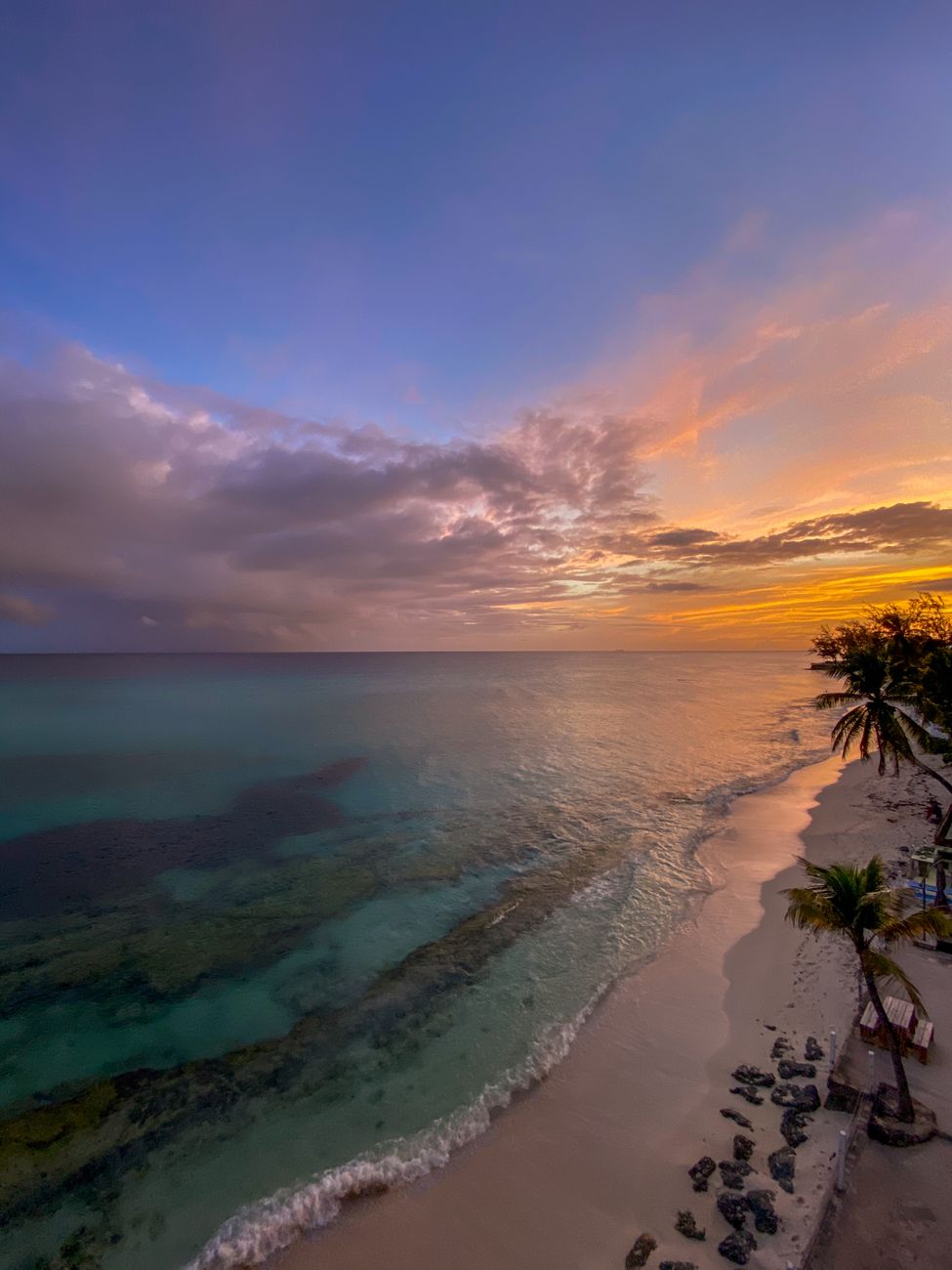
This is where the marketing language stops. Bocas del Toro is the most romantically photographed Panama destination, and the gap between the photographs and the daily reality is wider here than anywhere else in the country. The infrastructure is genuinely island — power outages are weekly or more frequent events, not occasional inconveniences. Internet drops at inconvenient moments. Water systems on outer islands require active management. Newcomers consistently underestimate how much daily life is shaped by working around infrastructure unreliability.
Healthcare access is the single biggest factor that drives people back to mainland Panama after a year or two. The wet season is genuinely wet — some weeks bring extended cloud cover and rain that affects beach time, boat travel, and outdoor life. Mosquitoes and insects are persistent. Construction quality varies enormously — salt-air coastal humidity is brutal. Properties that look pristine in photographs can have hidden moisture problems. Independent inspection is essential. Property title issues exist in some areas; independent legal review by a notario not connected to the seller is non-negotiable. First-year adjustment is real and significant — people who get through 18–24 months tend to stay; those who don't tend to leave for mainland Panama.
- Power, water, internet outages are weekly or more frequent — not occasional
- Healthcare distance is the single biggest factor that drives people back to mainland
- Wet season is genuinely wet; no clean dry-season divide
- Mosquitoes and tropical disease vectors are persistent
- Backpacker scene shapes Bocas Town energy — feature or bug depending on lifestyle preference
- Construction quality varies; salt-air maintenance is brutal; independent inspection essential
- Property title issues exist in some areas; independent legal review non-negotiable
- Hurricane and storm preparation matters; insurance is real cost
- Caribbean Creole makes English-only function better than mainland Panama
- First-year adjustment significant; year-two becomes meaningfully easier
Frequently Asked Questions About Living in Bocas del Toro
Is Bocas del Toro safe for foreigners to live in?
Bocas is among the safer Caribbean destinations. Violent crime is uncommon. Petty crime (theft from unsecured or vacant properties) is the most common issue. Standard precautions and active property management address most realistic risks. Water and wildlife safety are real considerations specific to island living.
How much does it cost to live in Bocas del Toro?
Modest island lifestyle in a small apartment or cabin with local groceries runs $1,500–2,500 monthly. Comfortable lifestyle with a real house, regular meals out, and backup systems runs $3,000–5,000+. The full beachfront-property lifestyle runs $5,000–10,000+. The Caribbean island premium on imports adds meaningfully to costs.
Do I need to speak Spanish to live in Bocas del Toro?
English-only is more functional in Bocas than in mainland Panama because the Bocatoreño community speaks Caribbean Creole English alongside Spanish. However, real integration with the broader Panamanian, Ngäbe, and Spanish-speaking communities — and bureaucratic interactions, banking, and medical care — still benefit dramatically from Spanish proficiency.
What is the best time of year to visit Bocas del Toro?
There is no clean dry season in Bocas — the Caribbean coast of Panama receives rainfall year-round. January through April tend to be the drier months with stronger trade winds. October through December tend to be the wettest. February and March generally have the most reliable weather for visitors.
Quick Reference: Bocas del Toro At a Glance
- Province
- Bocas del Toro
- Region
- Caribbean Coast / Archipelago
- Time Zone
- UTC-5 (EST, no DST)
- Airports
- BOC (Bocas del Toro, domestic) · PTY (Tocumen, international via Panama City)
- Foreign Ownership
- Full fee-simple title
- Peak Season
- January – April (drier months); July (Sea Festival)
- Language
- Spanish + Caribbean Creole English (Bocatoreño community)
Getting There
International arrivals through Tocumen International (PTY) in Panama City, then a 1-hour Air Panama flight to Bocas del Toro Airport (BOC) on Isla Colón. Alternative: ground transportation to Almirante on the mainland, then ferry or water taxi to the islands. Most arrivals fly directly.
Real Estate Overview
Bocas offers Panama's most unique real estate market — Caribbean islands with full fee-simple foreign ownership, ranging from rustic outer-island cabins ($50K–100K) to high-end beachfront properties ($1M+). Each island has its own character: Isla Colón (commercial hub, more developed), Bastimentos (largest outer island, mix of communities), Carenero (close to town, residential), Solarte (quieter, more residential). Independent legal review essential for title verification.
What Works
- Genuine Caribbean island living with established foreign-resident infrastructure (2,000-3,000 foreigners)
- Caribbean Creole English makes Bocas more accessible to English-only residents than mainland Panama
- World-class marine biodiversity; reef, mangrove, and rainforest within walking or short boat distance
- Pensionado visa benefits apply; territorial tax structure favorable
- Cost of basic living lower than US Caribbean destinations
What to Consider
- Infrastructure (power, water, internet) genuinely island — backup systems essential
- Healthcare significantly limited; serious cases require Panama City travel
- No clean dry season; rainfall year-round with wetter Oct-Dec
- Hurricane and tropical storm risk real; insurance is part of cost
- School options beyond primary level limited; families often relocate for education
Practical Notes
Choosing Bocas del Toro means choosing a genuinely island lifestyle — water taxis, backup systems, healthcare distance, and the rhythms of Caribbean culture rather than mainland Panamanian urbanism. The trade-off is freedom: from traffic, from urban density, from many of the constraints of modern life. People who thrive in Bocas tend to be self-sufficient, comfortable with infrastructure unreliability, healthy enough to accept the healthcare distance, and either independent in income or in a life phase where the Caribbean rhythm fits. The Pensionado visa works well for qualifying foreign retirees; the lower cost of basic living makes the benefits go further. Independent property due diligence is essential — title issues exist and the legal landscape on outer islands can be complex. Spanish acceleration helps but matters less than in mainland Panama because of the Caribbean Creole presence. Hurricane preparation, mosquito protection, and active property management for any absent periods are part of normal life. Spending a full wet season in Bocas before committing to purchase is one of the best investments a prospective buyer can make.
Explore Bocas del Toro Listings
Bocas del Toro Beachfront | Bocas Investment Property | All Bocas del Toro Property
Nearby Areas
Related Bocas del Toro Resources
Bocas del Toro Market Hub — Browse Listings | Isla Colón Market Hub | Deep dive: Isla Colón Living Guide — Bocas Town, Airport & Largest Island | Isla Bastimentos Market Hub | Bocas del Toro Panama for Island Real Estate Investors | What to Know Before Buying Island Property in Panama | Panama Real Estate Guide for American Buyers | Best Places to Retire in Panama | Portobelo Living Guide — Alternative Caribbean Panama: UNESCO Village & Cultural Heritage