What Is Life in Portobelo, Panama Like?
Colón
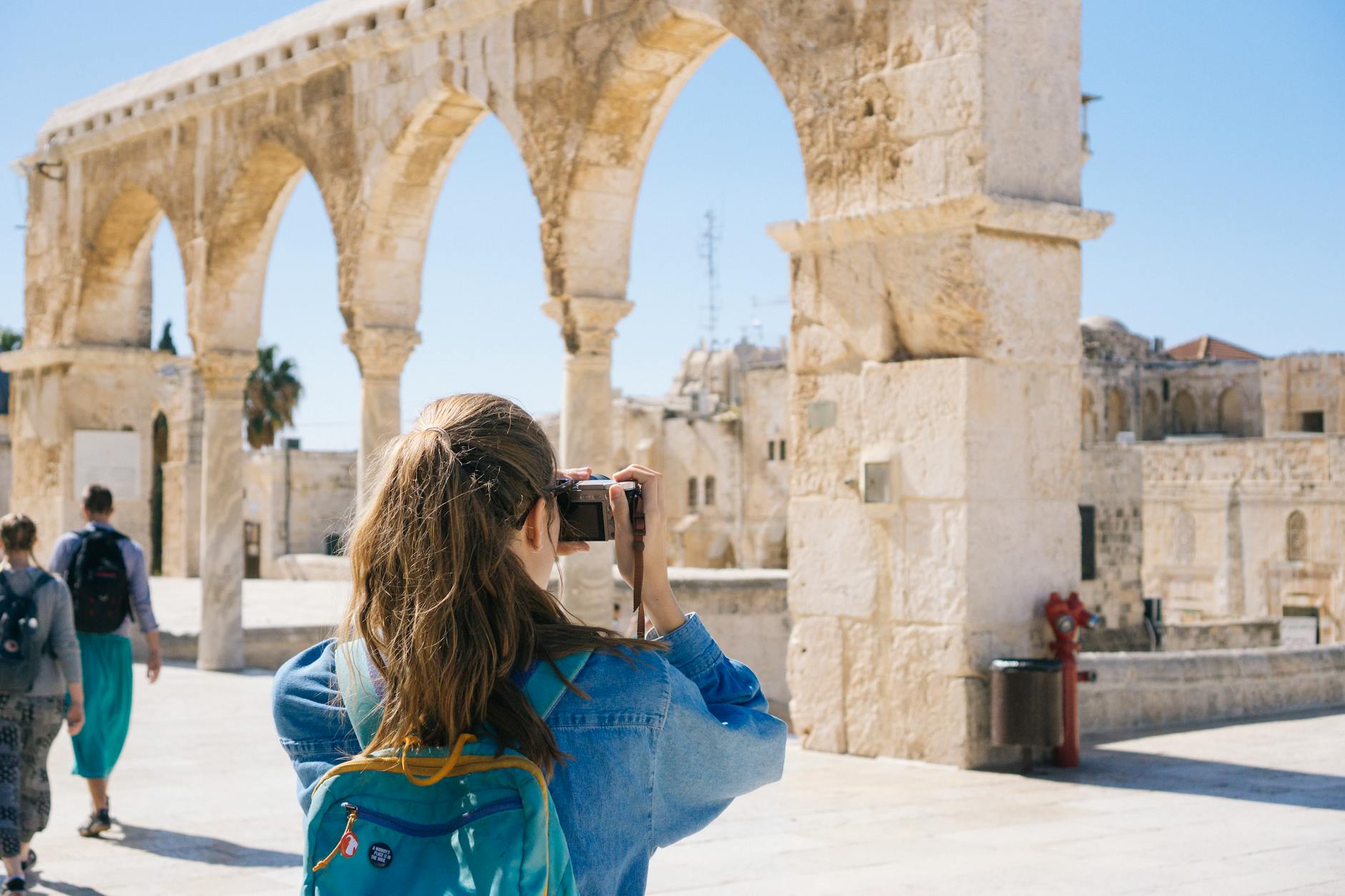
Portobelo is one of the most historically significant towns in the Americas. A small Caribbean fishing village of approximately 5,000 people in Colón province, anchored to the colonial-era Spanish fortifications that made this bay the most important treasure port in the New World for nearly 200 years. Today Portobelo is a UNESCO World Heritage site, a major Afro-Caribbean cultural center, the destination of one of Latin America's most significant religious pilgrimages (the Black Christ Festival on October 21), and a world-class diving destination. For foreign buyers, Portobelo is the most historically significant real estate market in Panama. For most buyers, it is also the most demanding in terms of lifestyle alignment, infrastructure acceptance, and cultural integration. This guide provides the honest, complete picture.
What Portobelo Actually Is

Portobelo is unlike any other Panama destination covered in this series. The combination of UNESCO World Heritage status, deep Afro-Caribbean cultural identity, religious-pilgrimage significance, and Caribbean Costa Arriba location creates a place with a fundamentally different character from any expat-developed, beach-resort, or working-Panamanian destination.
The geography is precise. Portobelo sits on the Caribbean coast of Colón province, on a deep natural bay protected by surrounding hills. The town is approximately 2 hours from Panama City by car via the highway through Colón City, and approximately 1.5 hours from Colón City itself. The bay's geographic protection — the same feature that made it the most strategic Spanish colonial port in the Americas — still defines the town's character: protected coastal waters, surrounding tropical hills, and the natural harbor that made empires fight over this bay for centuries.
The colonial history is genuinely extraordinary. From 1597 to the 1740s, Portobelo was the Spanish colonial empire's primary port for shipping treasure from the Pacific (gold and silver from Peru, brought across the isthmus on the Camino Real) back to Spain. The town hosted annual treasure fairs that were among the wealthiest gatherings in the colonial world. Multiple Spanish forts — Fuerte San Lorenzo, Fuerte San Jerónimo, Fuerte Santiago, and others — were built to defend the bay from pirates and rival colonial powers. Sir Francis Drake, Henry Morgan, and various other colonial-era historical figures were drawn here by the extraordinary wealth concentrated in this harbor.
UNESCO designated Portobelo and San Lorenzo as World Heritage in 1980. The site protection has produced ongoing conservation challenges — tropical conditions, structural deterioration, and limited resources for preservation are real issues. Recent international preservation efforts have improved some elements; significant restoration work continues.
The cultural identity is distinctly Afro-Caribbean. The Black Christ of Portobelo (El Nazareno de Portobelo) is one of Latin America's most significant religious icons and pilgrimage destinations. The annual Black Christ Festival on October 21 draws hundreds of thousands of pilgrims to the small town. The Congo culture of the broader region — traditional Afro-Panamanian dance, music, religious practices, and cultural expressions — is alive and central to Portobelo identity.
The residential population is approximately 5,000 in Portobelo proper. The foreign-resident community is very small — estimated at 100-300 across Portobelo and immediately surrounding areas. This is among the smallest foreign communities of any guide in this series.
What Portobelo is not: a developed foreign-resident enclave, a typical retirement destination, a beach-resort destination, somewhere with substantial commercial infrastructure, or a place with significant English-speaking foreign infrastructure. It is a small Caribbean fishing village with extraordinary historical and cultural significance.
- Small Caribbean fishing village in Colón province (~5,000 population)
- UNESCO World Heritage site (1980); Spanish colonial treasure port from 1597 to 1740s
- 2 hours from Panama City via Colón City; 1.5 hours from Colón City
- Deep Afro-Caribbean cultural identity — Congo culture alive and practiced
- Black Christ Festival (October 21) is among Latin America's most significant pilgrimages
- Multiple Spanish colonial fortifications — significant architectural ruins
- Foreign-resident community very small (100-300)
- Economic base: fishing, religious tourism, conservation, small-scale agriculture
- No comparable destination in Panama; closest comparisons are Antigua Guatemala or Cartagena's Old Town
What Daily Life Looks Like
Daily life in Portobelo runs on rhythms fundamentally shaped by the small-village scale, the Caribbean coast, and the limited infrastructure.
Mornings are warm and active. The fishing day begins before dawn. Local fishermen head out from the bay to surrounding Caribbean waters for the morning catch. By 7 AM the village commercial life begins — a small panadería, a few small businesses, the Catholic church preparing for daily mass. The town center wakes up unhurried.
The weekday rhythm is slow by working-town standards. Tourism flows shape some daily activity — visitors exploring the colonial ruins, occasional tour buses from Panama City, the slow flow of independent travelers. Most days the village remains quiet.
Midday is hot. Caribbean lowland heat — year-round 82-92°F (28-33°C) with very high humidity (often 80%+). AC is essential indoors. The shade of colonial-era stone walls, the natural ventilation of traditional Caribbean construction, and the sea breeze provide some moderation. Many residents structure outdoor activity around mornings and late afternoons.
For grocery shopping, a small mini-market in town handles basics. For substantial shopping, Colón City (1.5 hours) has full-service supermarkets and broader commercial infrastructure. Panama City (2 hours) for specialty items.
Banking is essentially absent in Portobelo. Internet has improved — fiber service through Más Móvil and Cable Onda is available in much of Portobelo with quality sufficient for video calls and standard remote work. Starlink works well for outlying properties or as backup.
Vehicle ownership is essentially required. The village itself is walkable but the surrounding Costa Arriba area, the trips to Colón City, and broader regional access all require driving.
The annual Black Christ Festival on October 21 is the cultural and economic peak. The village transforms — hundreds of thousands of pilgrims arrive, many on foot from Panama City as part of the pilgrimage tradition. The streets fill with religious processions, traditional music, food vendors, and the broader cultural celebration. This is one of the most significant religious events in Central America.
- Caribbean village-paced rhythm; fishing day starts pre-dawn
- Year-round 82-92°F (28-33°C); high humidity moderated by Caribbean breeze
- Small mini-markets in village; Colón City (1.5 hours) for substantial grocery
- No bank in Portobelo; pharmacies very limited
- Fiber internet generally functional; Starlink useful backup
- Vehicle essential for Costa Arriba access and city trips
- Black Christ Festival (October 21) is annual cultural and economic peak
- Religious tourism and Congo culture festivals throughout year
Climate and Environment

Portobelo operates on a tropical Caribbean climate — year-round heat and humidity with relatively distinct seasonal patterns.
Year-round daytime temperatures sit between 82°F and 92°F (28-33°C). Humidity is very high year-round (often 80%+). The Caribbean Sea provides some moderation through onshore breezes.
"Dry" season (roughly January through April) brings somewhat less rain and more sunshine. Caribbean dry season is still meaningfully wetter than Pacific dry season — Portobelo can receive rain at any time of year.
"Wet" season (May through December) brings more frequent and intense rain. October and November typically have the heaviest rainfall.
Portobelo's geographic position is favorable for hurricane risk — Panama's Caribbean coast is largely outside the typical Atlantic hurricane track. Direct hurricane strikes are extremely rare. This is a meaningful geographic advantage compared to many Caribbean destinations.
The Caribbean Sea at Portobelo is warm year-round (78-84°F / 26-29°C). The bay is protected and generally calm. The diving and snorkeling around Portobelo is genuinely world-class — documented Spanish colonial shipwrecks, coral reefs, mangrove ecosystems, and exceptional marine biodiversity. Several dive operations in Portobelo serve this market.
The Portobelo National Park protects significant surrounding territory — the marine area, the coastal land, and the historical fortifications. This protection has implications for both conservation and development.
Wildlife is significant. Marine wildlife is abundant — diverse fish species, sea turtles, occasional dolphins, various reef species. Air quality is generally good. Mosquitoes are present, particularly during wet season.
- Year-round 82-92°F (28-33°C); very high humidity moderated by Caribbean breeze
- Two seasons: dry Jan-Apr; wet May-Dec with heavier rains
- Caribbean climate more rain year-round than Pacific destinations
- Direct hurricane strikes extremely rare on Panama Caribbean coast — geographic advantage
- Caribbean Sea warm year-round (78-84°F); protected bay
- World-class diving and snorkeling — documented Spanish colonial shipwrecks
- Portobelo National Park protects surrounding marine and coastal areas
- Marine biodiversity exceptional: coral reefs, sea turtles, diverse species
- Air quality good; mosquitoes and dengue present in wet season
Cost of Living Reality
Portobelo is among the least expensive coastal Panama destinations. The cost structure reflects the small market, the limited foreign-resident infrastructure, and the working-village economy.
Housing varies significantly by zone and type. Long-term residential rental in Portobelo is limited. Available long-term rentals run $400-1,000 per month for apartments and small homes. Single-family Caribbean-style homes range from $600-1,800 depending on size, condition, and location.
Buying property: $50,000 to $500,000+ covers a wide range. Modest in-town homes start below $80,000. Mid-range single-family homes run $100,000-300,000. Higher-end ocean-view or restored colonial-adjacent properties run $300,000-500,000+. Some larger estate properties and significant Costa Arriba land parcels can run higher.
Foreigners hold full fee-simple title in Panama — no trust structure required. Transaction costs run 5-7% including legal, registration, and 2% ITBI transfer tax. HOA fees are essentially non-existent in Portobelo.
Independent legal review is essential for any purchase. The Costa Arriba land market has some complexity — UNESCO World Heritage protection affects some properties in the immediate Portobelo center. Restoration and modification requirements may apply.
Electricity is meaningful for AC-heavy properties — $150-400+ monthly during peak heat. Internet runs $40-80 monthly for fiber; Starlink approximately $100-150 monthly for backup.
Restaurants and dining: local Panamanian sodas serve full meals for $5-10. Mid-tier restaurants in Portobelo run $10-20 per person.
The honest monthly range: modest lifestyle with apartment, local groceries, and basic dining runs $1,000-1,800 monthly. Comfortable lifestyle with a real home, regular dining, vehicle, and full participation runs $1,800-3,500. Premium lifestyle with significant property runs $2,500-5,000+.
- Among the least expensive coastal Panama destinations
- Apartment/home rentals $400-1,800/month
- Buying range: $50K modest to $500K+ premium properties
- Foreign buyers hold full fee-simple title; transaction costs 5-7%
- UNESCO World Heritage protection affects some center properties
- HOA fees essentially non-existent
- Vacation rental concentrated around religious tourism and specific periods
- Realistic monthly floor: $1,000-1,800; comfortable: $1,800-3,500; premium: $2,500-5,000+
Healthcare Access

Portobelo has very limited local healthcare. Healthcare distance is the most significant practical limitation of living here, more so than at most Panama destinations covered.
There is no hospital in Portobelo. A small public health center handles very basic services with limited scope.
For routine care, the practical destinations are Colón City (1.5 hours by car) which has several private clinics and the regional Hospital Manuel Amador Guerrero. The Colón infrastructure handles many medical needs.
For hospital-level care, Panama City is the practical destination — approximately 2 hours by car. Hospital Punta Pacífica (Johns Hopkins-affiliated) is the regional premier private hospital. Most residents with significant medical concerns establish Panama City specialist relationships and travel for appointments.
Some Portobelo residents subscribe to private ambulance services for emergency response and transport.
Pharmacies in Portobelo are very limited. Colón City pharmacies handle most needs. Panama City for specialty medications.
The honest assessment for foreign residents: Portobelo works for healthy, active residents who understand and accept the healthcare distance. For residents managing serious chronic conditions, requiring frequent specialist visits, or in life phases where emergency response time is critical, the healthcare geography is genuinely limiting.
This is one of the most significant factors in evaluating Portobelo for any specific person. Most older retirees with significant medical needs choose other destinations specifically because of medical access.
- No hospital in Portobelo; very basic local health center only
- Colón City (1.5 hours) for routine and many specialist needs
- Panama City (2 hours) for hospital-level care
- Hospital Punta Pacífica (Johns Hopkins) is regional premier private hospital
- Private ambulance services available for emergency
- Pharmacies very limited locally
- Healthcare distance is one of the most significant practical limitations
- Works for healthy active residents; less so for those with significant medical needs
Getting Around and Getting Out
Within Portobelo, the village is genuinely walkable. The compact colonial-era street pattern, the location of fortification ruins within easy walking distance, the small commercial area, the Catholic church, and the central village functions are all within a 10-15 minute walk for residents living within the town center.
For most life beyond the immediate village — the surrounding Costa Arriba villages, Colón City, Panama City, and broader access — a vehicle is essential.
Road network: The road from Colón City to Portobelo is paved and in reasonable condition, though narrower and more winding than highways. The road from Panama City to Colón City is excellent. Within Portobelo and surrounding Costa Arriba, main roads are paved but rural and beach-access roads vary in quality.
For trips between Portobelo and surrounding destinations: - Colón City: 1.5 hours west - Panama City: 2 hours via Colón City - Sabanitas: 1 hour west (regional commercial) - Costa Arriba villages (Cuango, La Guaira, Garrote): 30-60 minutes east - Atlantic side of the Panama Canal (Gatún): 1 hour west - San Lorenzo Fort: 2 hours west (UNESCO sister site)
For getting out of Portobelo, the practical international travel routing is: drive 2 hours to Panama City via Colón City and depart from Tocumen International (PTY). Total transit to international flights is approximately 2.5-3 hours.
Regional bus service connects Portobelo to Colón City with multiple daily departures. Within Portobelo, Uber is not active. Taxis are very limited. Most transport happens via personal vehicle, walking, or pre-arranged transportation.
- Village walkable; vehicle essential for life beyond center
- Paved road from Colón City to Portobelo; well-maintained
- Colón City 1.5 hours west; Panama City 2 hours via Colón
- Tocumen International approximately 2.5-3 hours total transit
- Regional bus service to Colón City and onward to Panama City
- Uber not active; taxis very limited
- Surrounding Costa Arriba villages 30-60 minutes east
- Pacific Riviera accessible via Panama City — approximately 3+ hours to Coronado
Community and Social Life

Portobelo's community is fundamentally Afro-Caribbean Panamanian, with deep cultural roots in the colonial-era diaspora and the centuries of Caribbean coastal life that have shaped the region.
The Catholic parish is the central social anchor. The Iglesia de San Felipe with the Black Christ image at its center is genuinely the religious and cultural heart of the community. Mass attendance, the Black Christ devotion, religious festivals, and Catholic community structures shape much of daily and annual community life.
The Congo culture is alive and central. Congo dance, music, religious practices, and cultural expressions are not preserved-for-tourists culture — they are living culture practiced by residents. The Congo community festivals throughout the year are significant community events.
The foreign-resident community is very small — estimated at 100-300 across Portobelo and immediately surrounding Costa Arriba. The community is varied: some foreign residents drawn to the historical-cultural significance; some retirees seeking authentic Caribbean Panama; conservation and preservation workers; researchers and academics; artists and creative residents.
The foreign community is genuinely integrated into the broader Panamanian community in ways that more expat-saturated destinations are not. Most long-term foreign residents have meaningful Spanish fluency and genuine relationships with Panamanian neighbors.
The Black Christ Festival (October 21) is the year's defining community peak. Hundreds of thousands of pilgrims arrive in the village. The procession of the Black Christ image is one of Latin America's most significant religious events. The festival period brings religious devotion, traditional music, food vendors, and the deep cultural celebration that defines Portobelo identity.
Spanish proficiency is essentially required. The English-speaking foreign-resident infrastructure is minimal. Real integration into Panamanian community life requires Spanish proficiency, cultural respect, and time.
- Multi-generational Afro-Panamanian community anchors the village
- Catholic parish and Black Christ devotion are central community anchors
- Congo culture is alive and practiced; traditional music, dance, religious practices
- Foreign-resident community very small (100-300); deeply integrated
- Black Christ Festival (October 21) is annual community peak
- Spanish proficiency essentially required for meaningful integration
- Religious community: Catholic Church, Congo cultural-religious traditions
- Deep cultural and historical community character
Schools and Family Life
Portobelo has families and has raised children for generations. The educational infrastructure is functional for Panamanian rural Caribbean standards but very limited for foreign-family international education preferences.
Public schools serve the local Panamanian community in Spanish. Quality varies by school but is generally reasonable by rural Caribbean standards.
There are essentially no bilingual private schools in Portobelo. For bilingual education, Colón City (1.5 hours) has limited options. Panama City (2 hours) has more comprehensive bilingual and international options. For internationally accredited curriculum (IB, US-accredited), Panama City is essentially required, making Portobelo impractical as primary residence for families with school-age children needing daily school commutes.
Activities for children: the cultural and outdoor environment provides exceptional opportunities — religious community participation (Black Christ devotion, Holy Week, Catholic religious life), traditional Congo cultural participation (music, dance, cultural events), historical exploration (the fortifications, the rich colonial history), and Caribbean marine environment (fishing, swimming, snorkeling, the protected bay).
The cultural-historical environment is genuinely unique. Children growing up in Portobelo are surrounded by 400+ years of preserved history, the active Afro-Caribbean cultural identity, and the religious-cultural traditions that define the village.
Structured activities are very limited. Organized sports leagues, music and arts programs targeted at foreign families, and specialized children's programs are largely absent locally.
Most families with school-age children make different choices. Portobelo is more commonly chosen by families with younger children, by families specifically committed to cultural immersion as educational philosophy, or by foreign retirees and remote workers without school-age children.
- Public schools in Spanish; quality reasonable by rural standards
- Essentially no bilingual private schools in Portobelo
- Colón City (1.5 hours) has limited bilingual options
- Panama City (2 hours) for international/IB curriculum — impractical daily commute
- Pediatric specialists in Colón City or Panama City
- Cultural-historical environment provides exceptional learning opportunities
- Caribbean marine environment provides outdoor opportunities
- Most school-age foreign families choose other destinations
Working and Income

Portobelo works for foreign retirees with pension income who specifically choose the cultural-historical lifestyle, for remote workers attracted by Caribbean coast and lower cost, for entrepreneurs in conservation and cultural preservation, and for researchers and academics with relevant interests. Local employment in the Panamanian economy is very limited.
For remote workers, internet infrastructure has improved. Fiber service through Más Móvil and Cable Onda covers much of Portobelo with quality sufficient for video calls and standard remote work. Time zone is UTC-5 year-round (no DST), aligned with US Eastern Standard Time. The combination of Caribbean lifestyle and reliable internet supports remote work for those drawn to the cultural environment.
Coworking spaces are essentially absent in Portobelo. Most remote workers operate from home offices.
For conservation, preservation, and cultural work, Portobelo offers a real but limited market. The UNESCO World Heritage protection, the ongoing fortification preservation needs, and the broader cultural conservation work provide some opportunities for those with relevant expertise.
For researchers and academics with interest in Spanish colonial history, Afro-Caribbean culture, Congo traditions, or related subjects, Portobelo is a genuinely significant research destination.
For entrepreneurs in tourism (diving operations, cultural tours, religious tourism services), small hospitality (boutique inns, restaurants), and various lifestyle businesses, Portobelo offers a real but small market.
Vacation rental income is concentrated around specific periods. Religious tourism (Black Christ Festival period), diving tourism, and occasional weekend visitors support some vacation rental revenue but the market is far smaller than at established Caribbean tourism destinations.
Territorial tax system: foreign-source income is generally not taxed by Panama for residents.
- Pensionado visa applies; lower base costs make benefits go further
- Remote work viable with fiber; UTC-5 aligned with US Eastern Standard
- Coworking essentially absent; home office typical
- Conservation, preservation, and cultural work opportunities (small market)
- Research and academic work in colonial history, Afro-Caribbean culture
- Tourism and small hospitality entrepreneurship at small scale
- Vacation rental concentrated around religious tourism periods
- Territorial tax: foreign-source income generally not taxed by Panama for residents
Safety and Honest Concerns
Portobelo's safety profile is distinct from most Panama destinations and requires honest consideration. The broader Colón province has had safety concerns historically, though Portobelo itself sits in a different position than central Colón City.
Violent crime in Portobelo village itself is uncommon. The small-community fabric, the religious-cultural identity, and the local pride in the heritage produce a generally safe environment within the village. However, the broader Colón province context affects perception and some practical considerations.
Petty crime is the most common concern. Property theft from unsecured or vacant homes, opportunistic break-ins (particularly with vacation properties left empty), and various opportunistic petty crimes happen. The presence of religious tourism and the periodic visitor surges create specific exposure patterns.
The drive to and from Portobelo passes through some areas with different safety profiles. The road through Colón City requires standard urban precautions; some Colón neighborhoods have meaningful safety considerations. The main highway routes are generally safe.
Beach and water safety: the protected bay is generally safe for swimming. Construction quality varies dramatically — the combination of high humidity, salt air, and older construction patterns means properties show wear quickly.
The Black Christ Festival period creates specific seasonal considerations as the village population swells dramatically. Most residents adapt to or temporarily leave during this period.
The honest summary: Portobelo village itself is generally safe. The broader Colón province context requires awareness for travel and trips. The combination of small community fabric, religious-cultural identity, and the practical realities of small-village life produce a safety profile that is generally functional but requires honest assessment.
- Village itself generally safe; broader Colón province context requires awareness
- Petty crime (vacant home theft) most common concern
- Drive through Colón City requires standard urban precautions
- Beach and water safety generally functional for protected bay
- Construction quality varies; UNESCO protection affects some properties
- Hurricane risk extremely low — geographic advantage
- Healthcare distance is real safety consideration
- Black Christ Festival creates seasonal security considerations
The Hard Truths
This is where the marketing language stops. Portobelo has been described in foreign-resident marketing as "Panama's hidden Caribbean cultural treasure" or "the next Cartagena" — both framings have real elements and important omissions.
The "next Cartagena" framing oversells. Portobelo is dramatically smaller, less developed, less commercially active, and operates in a fundamentally different cultural-economic context than Cartagena. People who arrive expecting Cartagena-style infrastructure, restaurants, and amenities are disappointed.
The infrastructure is genuinely limited. While Portobelo has more local commercial infrastructure than the smallest Panama destinations, it has dramatically less than Coronado, Pedasí, or even the smaller Pacific Riviera communities. Specialty groceries, foreign-oriented services, and most amenities require trips to Colón City or Panama City.
Healthcare distance is one of the most significant practical limitations. The 1.5-hour drive to Colón City for moderate care and the 2-hour drive to Panama City for serious medical needs are realities.
The Spanish proficiency requirement is essentially non-negotiable. The English-speaking foreign-resident infrastructure is minimal.
The Black Christ Festival (October 21) intensity affects life dramatically. Four-day period in October brings hundreds of thousands of pilgrims. Lodging is impossible to find. Prices spike. The village is overwhelmed.
The broader Colón province context creates considerations. While Portobelo village itself is generally safe, the perception of Colón province and the actual conditions in some Colón areas affect travel patterns.
The conservation and UNESCO protection creates property restrictions. Some properties in the historic center have restoration requirements, modification restrictions, and ongoing preservation obligations.
The very small foreign community can become very limiting. In a 100-300 person community, ready-made social structures are very small. Personalities matter dramatically.
Property title issues exist on some properties, particularly older Caribbean coastal land with traditional family ownership patterns. Independent legal review by a notario not connected to the seller is non-negotiable.
People who choose Portobelo successfully tend to share specific characteristics: genuine interest in Spanish colonial history or Afro-Caribbean culture; comfort with very small community; commitment to Spanish proficiency; healthy active life phase; and an understanding that Portobelo is a small Caribbean fishing village with extraordinary historical significance — not a developed destination.
- "Next Cartagena" framing dramatically oversells; Portobelo is its own much smaller place
- Infrastructure genuinely limited; most specialty needs require Colón City or Panama City
- Healthcare distance is one of most significant practical limitations
- Spanish proficiency essentially required
- Black Christ Festival (October 21) creates dramatic seasonal disruption
- Broader Colón province context creates safety considerations
- UNESCO protection creates property restrictions in historic center
- Very small foreign community can become very limiting
- Property title issues exist on some Caribbean coastal land
- First-year adjustment significant
Frequently Asked Questions About Living in Portobelo
Is Portobelo safe for foreigners to live in?
Portobelo village itself is generally safe with small-community fabric and religious-cultural identity providing natural deterrent. The broader Colón province context requires awareness for travel through Colón City. Petty property crime is the most common concern. Standard precautions address most realistic risks.
How much does it cost to live in Portobelo?
Modest lifestyle with apartment, local groceries, and basic dining runs $1,000-1,800 monthly. Comfortable lifestyle with a real home, regular dining, vehicle, and full participation runs $1,800-3,500. Premium lifestyle with significant property runs $2,500-5,000+. Portobelo is among the least expensive coastal Panama destinations.
Do I need to speak Spanish to live in Portobelo?
Yes. The English-speaking foreign-resident infrastructure is minimal. Real friendships with Panamanians, banking, medical care, religious community participation, and meaningful daily life all require Spanish proficiency. Portobelo is not a destination for English-only foreign residents.
What is the best time of year to visit Portobelo?
Caribbean 'dry' season (January through April) brings less rain and better weather for outdoor exploration of the fortifications and surrounding area. Avoid October 18-22 unless specifically interested in the Black Christ Festival — the village is overwhelmed and lodging is impossible. February or March provides a quieter cultural experience with reasonable weather.
Quick Reference: Portobelo At a Glance
- Province
- Colón
- Region
- Caribbean Costa Arriba / UNESCO World Heritage
- Time Zone
- UTC-5 (EST, no DST)
- Airport
- PTY (Tocumen, 2 hours via Colón City)
- Foreign Ownership
- Full fee-simple title
- Peak Season
- January – April (dry season); October 21 (Black Christ Festival)
Getting There
International arrivals route through Tocumen International Airport (PTY) in Panama City — approximately 2 hours by car from Portobelo via the Panama City–Colón highway, then north along the Caribbean coast through Colón City. The drive from Panama City to Colón City is excellent highway; from Colón City to Portobelo is paved and in reasonable condition, though narrower and more winding. Regional bus service connects Portobelo to Colón City with multiple daily departures; from Colón City, onward bus service to Panama City. Most established foreign residents drive personally or use pre-arranged transportation.
Real Estate Overview
Portobelo offers Panama's most historically significant real estate market — UNESCO World Heritage village setting, Caribbean coastal property, and the unique cultural-historical context that no other Panama destination offers. Range spans modest village homes ($50K-100K), mid-range single-family homes ($100K-250K), higher-end ocean-view or restored colonial-adjacent properties ($250K-500K+), and Costa Arriba coastal land with various pricing. Foreign buyers hold full fee-simple title. UNESCO protection affects some center properties — restoration and modification requirements may apply. Costa Arriba land market has specific complexity including traditional family ownership patterns and indigenous community considerations along the broader Caribbean coast. Independent legal review is essential for every transaction.
What Works
- UNESCO World Heritage village setting — unique among Panama destinations
- Deep Afro-Caribbean cultural identity; Black Christ Festival, Congo culture
- Protected Caribbean bay; warm year-round water
- World-class diving and snorkeling — documented Spanish colonial shipwrecks
- 2 hours from Panama City — most accessible Caribbean Panama destination
- Among least expensive coastal Panama destinations
- Hurricane risk extremely low — geographic advantage
- Pensionado visa benefits go further
What to Consider
- Healthcare distance significant — 1.5 hours to Colón City, 2 hours to Panama City
- Spanish proficiency essentially required
- Very small foreign-resident community (100-300)
- Infrastructure limited; most specialty needs require Colón or Panama City
- Cultural-religious intensity may not align with all preferences
- Black Christ Festival creates dramatic seasonal disruption (Oct 18-22)
- Broader Colón province context affects travel patterns
- UNESCO protection creates property restrictions in historic center
- Construction quality varies dramatically
Practical Notes
Choosing Portobelo means choosing one of the most historically and culturally significant places in the Americas — UNESCO World Heritage Spanish colonial fortifications, deep Afro-Caribbean cultural identity, Black Christ religious-cultural significance, and Caribbean coastal village life. The trade-off is the genuine reality of small-Caribbean-village infrastructure, healthcare distance, Spanish proficiency requirements, and the very specific lifestyle that this place offers. People who thrive in Portobelo have genuine interest in Spanish colonial history or Afro-Caribbean culture, are committed to Spanish proficiency, value cultural-religious community life, are in healthy active life phases, and embrace the small-village reality as a feature rather than a limitation. The Pensionado visa applies for qualifying foreign retirees, with benefits going further than at expat-developed destinations. Independent property due diligence is essential — UNESCO protection affects some center properties, Caribbean coastal land has specific complexities, and construction quality varies. Spending time during both regular periods and the Black Christ Festival period before committing is wise. Give yourself two full years before judging — Portobelo rewards specific lifestyle motivation but is unforgiving for buyers who arrive without it.
Explore Portobelo Listings
Portobelo Caribbean Homes | Portobelo Investment Property | All Portobelo Property
Nearby Areas
Related Portobelo Resources
Portobelo Market Hub — Browse Listings | Colón Market Hub | Sabanitas Market Hub | Caribbean Panama for Foreign Buyers | Best Places to Retire in Panama | Where Expats Buy Property in Panama | Where to Buy in Panama If You Want a Lower Cost of Living | Panama Real Estate Guide for American Buyers | Bocas del Toro Living Guide — Alternative Caribbean Panama: Archipelago Island Lifestyle | Isla Colón Living Guide — Alternative Caribbean Panama: Island Village & Surf Culture