What Is Life in Volcán, Panama Like?
Chiriquí

Volcán is the highland Panama that Boquete used to be. A small agricultural town on the western slopes of Volcán Barú at 1,400 meters elevation, sitting in cool mountain air, surrounded by working coffee and vegetable farms, with a small but real foreign-resident community that chose this place specifically because it is not Boquete. It is cooler, cheaper, more remote, more agriculturally productive, and considerably less developed than its more famous neighbor on the other side of the volcano. People who choose Volcán choose it deliberately.
What Volcán Actually Is
Volcán is not what foreign-buyer marketing usually suggests. The Chiriquí Highlands of expat imagination is Boquete — the established town with the substantial North American community, the Tuesday Market, the developed foreign-resident infrastructure. Volcán is on the other side of Volcán Barú, the same regional mountain, but it operates as a distinctly different place.
What Volcán actually is, is an agricultural community at 1,400 meters (4,600 feet) elevation, anchored to the western slopes of the volcano, with a real working Panamanian economy in coffee, vegetables, dairy, and ornamental flowers. The foreign-resident community here is small — estimated at 200-400 across Volcán and the immediately surrounding communities — and is genuinely integrated into the local town rather than concentrated in separated developments.
Geographically, Volcán sits in Chiriquí Province on the western (Pacific) slopes of Volcán Barú, about 60 minutes by car from David. From Boquete, Volcán is accessible via a different route around the southern side of Volcán Barú — about 1.5-2 hours by car, since the road does not cross the volcano directly. The population of Volcán proper is approximately 14,000, with additional residents spread across Cerro Punta, Bambito, Río Sereno, and smaller villages. Cerro Punta, about 30 minutes higher into the mountains, is Panama's highest-elevation town and a distinct community.
The defining feature that separates Volcán from Boquete is climate, scale, and authenticity. Volcán is cooler — temperatures consistently 5-10°F below Boquete. Volcán is smaller. Volcán is less developed for foreign residents. Volcán is more agriculturally productive. People who choose Volcán over Boquete typically choose it because they want the highland experience without the expat-saturated infrastructure that has built around Boquete.
- Volcán is an agricultural community at 1,400m (4,600 ft) elevation on western Volcán Barú
- Population ~14,000 in town; smaller foreign-resident community than Boquete (200-400)
- 60 minutes from David (Pan-American Highway); 1.5-2 hours from Boquete around the volcano
- Cooler than Boquete by 5-10°F; smaller and less developed
- Real agricultural economy — coffee, vegetables, dairy, ornamental flowers
- Foreign residents integrated into the town rather than concentrated in separated developments
- Not a tourism destination; commercial scene oriented to local agriculture
What Daily Life Looks Like
Daily life in Volcán runs on a quieter, more agricultural rhythm than Boquete or any of Panama's more developed destinations.
Mornings are cool and active. The agricultural day starts early — farmers heading to fields, dairy operations active before dawn, vegetable growers harvesting in the cool morning hours. By 7 AM, the town's commercial life begins: bakeries open, the main supermarket opens, the small businesses along the central strip get going. Midday in Volcán is mild rather than hot — even in dry season at peak sun, temperatures rarely exceed 80°F (27°C). This is a fundamental difference from David or the coast — no real heat stress, no need to slow daily life around the temperature. Late afternoons cool quickly. Evenings can be genuinely cool — temperatures in the upper 50s or low 60s°F (14-17°C) are common.
For grocery shopping, the main options are Super Lupe and Super Bambito — full-service Panamanian supermarkets. For specialty groceries, organic products, or imported items, most residents make periodic trips to David (60 minutes). The local agricultural production is a real advantage — fresh vegetables, locally roasted coffee, dairy products, and ornamental flowers available directly from producers. Internet has improved significantly. Fiber service through Más Móvil and Cable Onda covers much of Volcán with quality sufficient for video calls and remote work. Starlink works well for rural properties outside fiber coverage.
The pace of weekend life is notably calmer than Boquete. Volcán does not have the Tuesday Market or the developed restaurant scene that draws weekend visitors. The town stays consistent through the week. The annual Volcán Flower and Coffee Festival and various agricultural fairs throughout the year are the cultural anchors of the local calendar.
- Mornings cool and active; midday mild (rarely exceeds 80°F); evenings cool quickly into 50s-60s°F
- Super Lupe and Super Bambito for full-service groceries; David trips for specialty items
- Local agricultural production strong — direct-from-producer vegetables, coffee, dairy, flowers
- Banking functional but limited; David for comprehensive services
- Fiber internet reliable in town; Starlink useful backup for rural properties
- Less weekend traffic than Boquete; town stays consistent through the week
- Volcán Flower and Coffee Festival as local cultural anchor
Climate and Environment
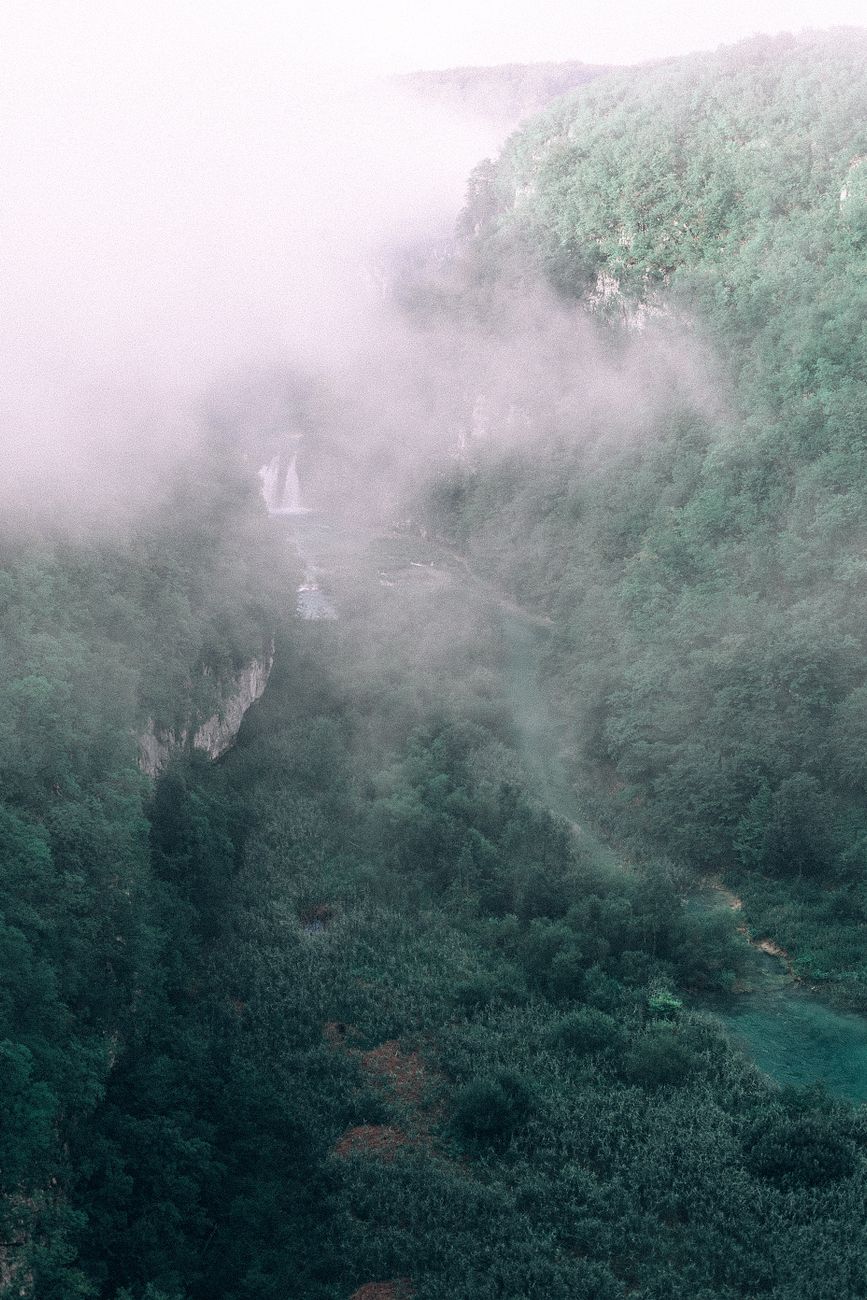
Volcán operates on a highland tropical climate that is meaningfully cooler than Boquete and dramatically cooler than lowland Panama. Year-round temperatures sit between 50°F and 78°F (10-26°C). The variation is narrow. Mornings are cool, often genuinely cold by lowland Panamanian standards. Midday in sun is mild — rarely warm enough to feel oppressive. Nights can be cold enough to require blankets, and in Cerro Punta higher up, occasional supplemental heat.
This is a different climate than most foreigners imagine when they think of Panama. There is no AC needed in any Volcán property — windows open year-round, fans are sometimes useful in midday, but air conditioning is generally absent. Some residents use fireplaces in winter evenings, particularly at higher elevations.
The two seasons are clear. Dry season (December through April) brings steady trade winds, sunshine, and the characteristic "bajareque" — a misty drifting drizzle that is a defining feature of highland weather here as in Boquete. Green season (May through November) brings rain most afternoons in predictable patterns; the landscape transforms into intense green. Volcán is on the western side of Volcán Barú, which generally means somewhat less mist and rain in dry season than Boquete, though patterns vary.
The cloud forest of the highlands is among the most biodiverse temperate forests in the Americas. La Amistad International Park, shared with Costa Rica and a UNESCO World Heritage area, is accessible from the broader Volcán region. Resplendent Quetzals nest in surrounding cloud forests. Hummingbirds are constant. Volcán Barú (3,475m / 11,400 ft) dominates the regional landscape and shapes weather, supports coffee growing at multiple elevations, and offers hiking and exploration opportunities. Air quality is generally excellent — some of the cleanest air in Panama.
- Year-round temperatures 50-78°F (10-26°C); cool mornings and evenings, mild midday
- No AC needed; fireplaces useful at higher elevations during cool evenings
- Two seasons: dry (Dec-Apr) with trade winds and bajareque mist; green (May-Nov) with afternoon rains
- Less mist and rain than Boquete (eastern slopes); patterns vary year to year
- Highland agricultural landscape — coffee, vegetables, dairy, ornamental flowers
- World-class birdwatching including Resplendent Quetzals; cloud forest accessibility
- La Amistad International Park accessible; UNESCO World Heritage area
- Outside Atlantic hurricane belt; excellent air quality
Cost of Living Reality
Volcán is meaningfully cheaper than Boquete across most categories — typically 20-40% less for housing, services, and daily living costs. This is one of the primary reasons foreign residents choose Volcán over its more famous neighbor.
Housing varies dramatically by zone and elevation. A modest one-or-two-bedroom apartment in Volcán runs $350-700 per month for long-term rental. Furnished units run $500-900. Single-family homes range from $600-2,000+ depending on size, location, and amenities. Properties in surrounding mountain communities (Bambito, Cerro Punta) vary depending on remoteness and elevation. Properties with significant land or coffee/farming infrastructure command varied pricing.
Buying property: $80,000 to $800,000+ covers a wide range. Modest in-town homes start below $100,000. Mid-range single-family homes run $150,000-350,000. Higher-end mountain estates with significant land, views, or agricultural operations run $400,000-800,000+. Foreigners hold full fee-simple title — no trust structure required. Transaction costs run 5-7% including legal, registration, and 2% ITBI transfer tax.
Independent legal review is essential for any purchase. Highland and agricultural properties in Chiriquí can have complex title history, particularly with older inheritances and agricultural land. Electricity is reasonable — no AC use means significantly lower bills than lowland properties; most Volcán households run $40-100 monthly. The honest monthly range: modest lifestyle runs $1,400-2,200 monthly; comfortable highland lifestyle with a real house, regular dining, and occasional travel runs $2,500-4,000+; the full mountain-estate lifestyle runs $3,500-6,000+ monthly.
- 20-40% cheaper than Boquete across most categories
- Apartment rentals $350-900/month; homes $600-2,000+
- Buying range: $80K-$800K covers wide variety; modest in-town homes below $100K
- Foreign buyers hold full fee-simple title; transaction costs 5-7%
- Independent legal review essential — highland title complexity exists
- Electricity inexpensive (no AC); fiber internet $35-70
- Pensionado visa benefits apply
- Realistic monthly floor: $1,400-2,200; comfortable: $2,500-4,000+
Healthcare Access
Volcán has basic local healthcare. For anything beyond routine, residents drive to David. Understanding this geography is essential.
The Volcán health center handles basic public health services. A few small private clinics in town serve routine medical needs — consultations, common illnesses, minor injuries, and prescription refills. For more substantial care, David is the regional medical hub — about 60 minutes by car. Hospital Chiriquí, Hospital Mae Lewis, and several major specialty clinics in David handle most hospital-level care for the western region. For complex specialist care that exceeds David's resources, Hospital Punta Pacífica in Panama City (Johns Hopkins-affiliated) is the regional premier private hospital — accessible via the 50-minute domestic flight from David to Panama City (Tocumen via Albrook).
The honest assessment: Volcán works for healthy, active residents who understand and accept the healthcare distance. The 60-minute drive to David for moderate-to-significant care is the geography that residents accept. For most healthcare needs at most life phases, this works. For people managing serious chronic conditions with frequent specialist visits, or for whom emergency response time is critical, Volcán may be more limiting. Many residents who choose Volcán have made an explicit calculation — the lifestyle and cost advantages outweigh the healthcare distance.
- Basic clinic-level care in Volcán; few private clinics and pharmacies
- David (60 minutes) is the regional medical hub — Hospital Chiriquí, Mae Lewis, major specialty clinics
- Complex specialist care via Hospital Punta Pacífica in Panama City (Johns Hopkins, accessible via DAV-PTY flight)
- Caja public system available with monthly contributions
- Pharmacies stock most common medications; specialized scripts may require David
- Pensionado visa provides medical service discounts
- Healthcare distance manageable for most life phases; more limiting for serious chronic conditions
Getting Around and Getting Out
Inside Volcán, the town center is walkable. The compact commercial strip and surrounding immediate residential areas can be navigated on foot or by bicycle for basic errands. For everything beyond walking distance — Cerro Punta, Bambito, the surrounding agricultural properties, and most foreign-resident properties outside the town center — a vehicle is essentially necessary.
Road network: The Pan-American Highway connection to David is paved and in good condition. The road from Volcán to Cerro Punta and into the higher communities is paved on main routes but narrower and with more elevation changes. Rural and farm-access roads vary widely — some require 4WD in wet season.
For getting out of Volcán, the practical international travel routing is: drive 60 minutes to David, fly 50 minutes from Enrique Malek International (DAV) to Panama City's Tocumen (PTY) via Air Panama or Copa. Total transit time to international flights is roughly 3-4 hours. For drivers, Panama City is 7-8 hours by car. Regional bus service connects Volcán to David with multiple departures throughout the day at affordable rates. From David, onward bus service to Panama City takes 6-8 hours. For Boquete access, the practical route is via David — Volcán to David is 60 minutes, David to Boquete is another 30-40 minutes, totaling 1.5-2 hours. For Costa Rica, the Río Sereno border crossing is about 1.5 hours from Volcán.
- Town walkable; vehicle essentially necessary for life beyond town
- Pan-American Highway to David is 60 minutes; well-maintained
- DAV to PTY flight is 50 minutes; total international transit ~3-4 hours
- Regional bus service to David and surrounding villages; affordable and reliable
- Boquete accessible via David — 1.5-2 hours total, since road doesn't cross volcano
- Uber not active; taxis limited
- Río Sereno border crossing for Costa Rica access (1.5 hours)
Community and Social Life

Volcán's social structure is genuinely small-town, with the foreign-resident community integrated into rather than separated from the broader Panamanian community.
The Panamanian community is the foundation — multi-generational Chiricano families with roots in coffee, vegetables, dairy, and the broader agricultural economy. The Catholic parish, the schools, the agricultural cooperatives, and the local government anchor the deepest social structures. Spanish fluency is the entry point. The Ngäbe-Buglé indigenous community has significant presence in the surrounding agricultural areas — many Ngäbe families work in coffee, vegetables, and dairy operations. Distinct language, dress, and cultural practices are visible parts of the regional fabric.
The foreign-resident community is small — estimated at 200-400 across Volcán and immediately surrounding communities. Many have lived in the region for years or decades. The foreign-resident community is varied: retirees with foreign pensions; remote workers; a meaningful subset focused on agriculture (small coffee operations, organic farming); birders and naturalists drawn by the cloud forest and Quetzal habitat; and various creative or self-directed people who chose a quieter highland life. For birders and naturalists, the community of cloud-forest enthusiasts is real and tight. Cultural anchors include the Volcán Flower and Coffee Festival (typically February), the Cerro Punta agricultural fair, and the broader Chiricano cultural calendar. Spanish proficiency dramatically expands social access.
- Small-town community with foreign residents integrated rather than separated
- Multi-generational Chiricano agricultural families anchor the broader social structure
- Significant Ngäbe-Buglé presence in surrounding agricultural areas
- Foreign-resident community 200-400; chose Volcán over Boquete for its character
- Birders and naturalists form distinct sub-community around cloud-forest access
- Agricultural focus creates entry points for residents interested in farming
- Volcán Flower and Coffee Festival as defining annual cultural event
- Spanish proficiency essential for full integration
Schools and Family Life
Volcán has families and has raised children for generations, but the educational infrastructure available locally is more limited than in larger Panamanian cities. Families considering Volcán should plan around educational needs carefully.
Public schools serve the local Panamanian community in Volcán, Cerro Punta, Bambito, and surrounding villages in Spanish. Private schools in Volcán are limited — a small bilingual school or two has operated over the years with varying scale and continuity. Boquete (1.5-2 hours via David) has more comprehensive bilingual private options (Boquete Christian Academy and others). David has the most K-12 options. Internationally accredited curriculum (IB, US-accredited) requires Panama City.
Activities for children: the outdoor environment is the dominant childhood backdrop. Hiking in surrounding hills, agricultural activities (many children grow up around coffee or vegetable farming), exposure to wildlife, river swimming, and the slower pace that highland rural life supports. The texture of Volcán childhood is genuinely outdoor and genuinely rural. Structured activities are limited. Many families travel to Boquete or David for organized activities. Most families with school-age children who relocate to the highlands end up choosing Boquete instead of Volcán, specifically for the more developed educational infrastructure.
- Public schools in Spanish; quality reasonable by rural standards
- Bilingual private schools limited locally; Boquete (1.5-2 hours via David) and David have more options
- Internationally accredited curriculum requires Panama City
- Pediatric specialists in David or Panama City
- Outdoor childhood available — hiking, farming, wildlife, river swimming
- Structured activities limited; many families travel to Boquete or David for organized programs
- Most families with school-age children choose Boquete over Volcán for educational infrastructure
Working and Income
Volcán works well for foreign retirees with pension income, for remote workers with stable internet, and modestly for those interested in small-scale agriculture as a lifestyle business. Local employment in the Panamanian economy is limited.
For remote workers, fiber service through Más Móvil and Cable Onda covers much of Volcán with quality sufficient for video calls and standard remote knowledge work. Some outlying rural properties have weaker coverage; Starlink works well as backup or primary in those cases. Time zone is UTC-5 year-round (no DST), aligned with US Eastern Standard Time. Coworking spaces are essentially non-existent — most remote workers work from home or from a few specific cafes.
Small-scale agriculture is the entrepreneurial path that Volcán's geography uniquely supports. Several foreign residents have built sustainable lifestyle businesses around coffee growing, organic vegetable production, dairy operations, ornamental flowers, or specialty agricultural products. Birding and nature tourism is a real but small economic sector — several lodges, guide operations, and naturalist businesses serve birders drawn by the Quetzal habitat. Territorial tax system: foreign-source income is generally not taxed by Panama for residents. Vacation rental income is limited — Volcán is not a major tourism destination; the demand for short-term rentals is much smaller than in Boquete or coastal areas.
- Pensionado visa applies; lower cost of basic living than Boquete
- Remote work viable with fiber and Starlink backup; UTC-5 aligned with US Eastern Standard
- Coworking essentially non-existent; most remote workers use home or specific cafes
- Local employment limited; agriculture dominates
- Small-scale agriculture is unique entrepreneurial path Volcán supports
- Birding and nature tourism a real but small economic sector
- Vacation rental market small; not a tourism destination
- Territorial tax: foreign-source income generally not taxed by Panama for residents
Safety and Honest Concerns
Volcán is among the safer places in Panama for foreign residents — a small highland town with strong community fabric and limited transient population.
Violent crime is uncommon. Volcán is not in any major trafficking corridor; the small-town community presence acts as natural deterrent. Petty crime is the most common issue: property theft from unsecured or vacant homes, opportunistic break-ins, and theft from vehicles all happen. Properties on isolated rural and agricultural land carry higher exposure than properties in the town center. Active property management, security systems, and trusted local relationships reduce these risks substantially.
Weather hazards: heavy rains in green season can produce flooding on lower-lying properties and access roads. Mountain weather can be intense, with significant lightning during storms. Fog and visibility issues on highland roads during certain conditions require attention. Construction quality varies significantly — highland humidity and the combination of cool nights and warm days affect construction differently than lowland environments. Independent inspection on any purchase is essential. Earthquake risk: Panama is moderately seismic; most events are minor. Outside the Atlantic hurricane belt — a geographic advantage. The healthcare distance to David, covered above, is itself a safety consideration.
- Among the safer Panama destinations
- Petty crime (vacant-home theft, rural-property break-ins) most common
- Active property management essential for vacation homes and rural properties
- Wildlife considerations real but rarely dangerous
- Weather hazards: green-season flooding, mountain lightning, fog on highland roads
- Construction quality varies; independent inspection essential
- Outside hurricane belt; earthquake risk moderate
- Healthcare distance is itself a safety consideration
The Hard Truths
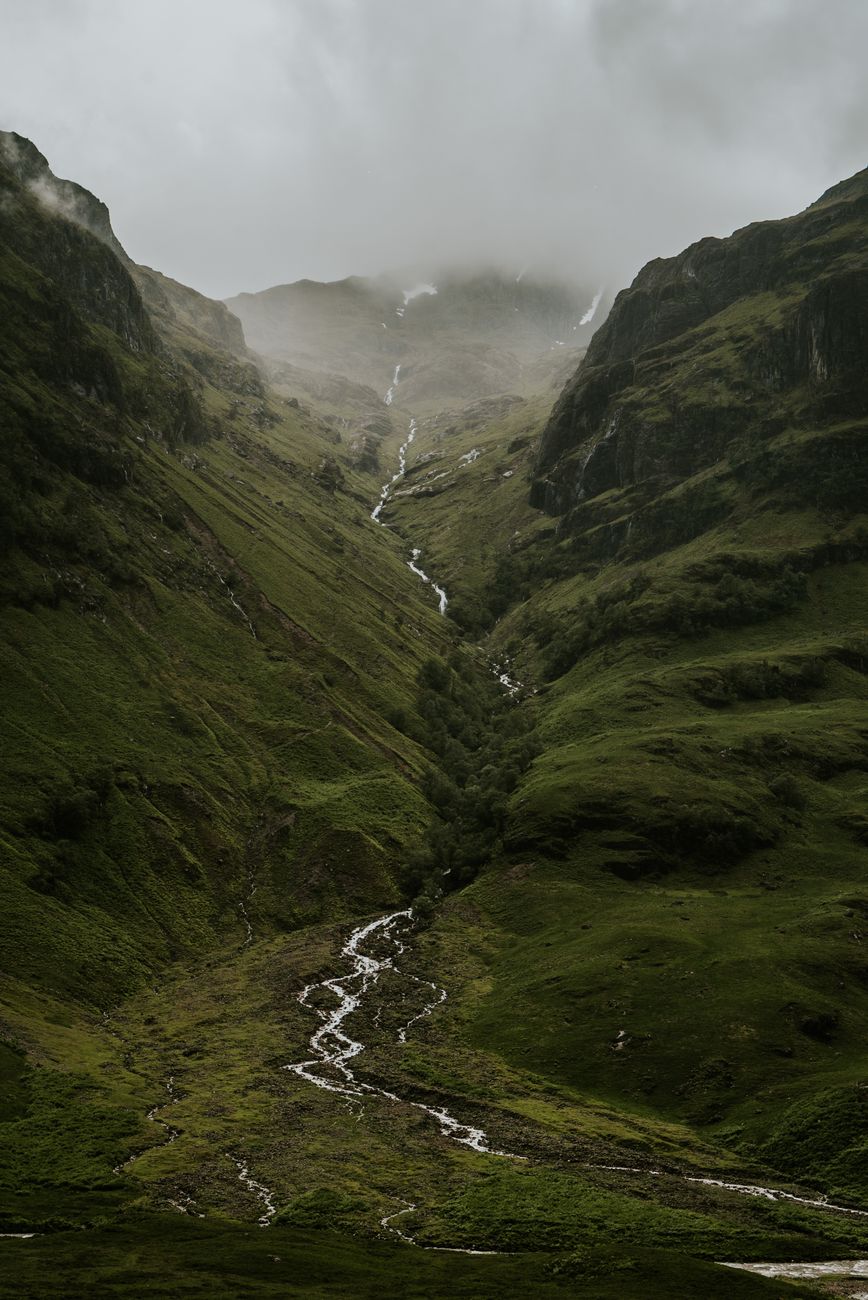
This is where the marketing language stops. The romantic highland Panama of marketing materials is real, and the daily reality is also real, and they are not the same thing.
The smaller-and-cheaper-than-Boquete framing is accurate but cuts both ways. Volcán has less of everything — fewer restaurants, fewer foreign residents to build community with, fewer organized activities, less developed commercial infrastructure, less weekend social energy. The cost savings are real but so are the absences. People who choose Volcán typically do so because they value what is absent, not despite it.
The bajareque mist and cool weather suit some constitutions better than others. The same persistent drizzle and overcast conditions that make Boquete sometimes feel atmospheric can become heavier in Volcán during certain weeks, and the cooler temperatures can become more chilling than expected. Cool nights require more property infrastructure than lowland properties — heating, insulation, and weather-tight construction matter more here. Older properties built without these considerations can be uncomfortable in cooler months.
Spanish proficiency requirements are higher in Volcán than in expat-saturated destinations. The English-speaking foreign-resident community is too small to support English-only daily life infrastructure. Boredom is a real risk for some. The smaller foreign-resident community can become limiting — in a 200-400 person community, personalities matter, relationships are visible, and social dynamics can be more concentrated. Property appreciation has been steady but not dramatic. Volcán is its own place, not simply a cheaper Boquete — people who arrive expecting Boquete-with-lower-prices are sometimes disappointed; people who arrive understanding that Volcán is its own thing tend to be satisfied.
- Smaller-and-cheaper-than-Boquete framing accurate but cuts both ways
- Bajareque mist and cool weather suit some constitutions better than others
- Cool nights require more property infrastructure than lowland properties
- Healthcare distance significant — 60 minutes to David
- Spanish proficiency requirements higher than expat-saturated destinations
- Infrastructure limitations real — specialty needs require David trips
- Smaller foreign community can become limiting
- Construction quality varies; title due diligence essential
- Agricultural rhythm of life is genuine but not for everyone
- Property appreciation steady but not dramatic
- Volcán is its own place, not simply a cheaper Boquete
Frequently Asked Questions About Living in Volcán
Is Volcán safe for foreigners to live in?
Volcán is among the safer places in Panama for foreign residents. Petty property crime is the most common issue, particularly with vacant homes and isolated rural properties. Violent crime is uncommon. Standard precautions and active property management address most realistic risks.
How much does it cost to live in Volcán?
Modest lifestyle with apartment, local groceries, vehicle, and minimal eating out runs $1,400–2,200 monthly. Comfortable highland lifestyle with a real house, regular dining, and occasional travel runs $2,500–4,000+. Volcán runs 20-40% below Boquete across most categories.
Do I need to speak Spanish to live in Volcán?
Yes, more than in Boquete. The English-speaking foreign-resident community is too small to support English-only daily life. Real friendships with Panamanians, integration into local cultural life, banking, medical care, and government processes all require Spanish proficiency.
What is the best time of year to visit Volcán?
Dry season (December through April) brings trade winds, sunshine, and the characteristic bajareque rainbow conditions. The Volcán Flower and Coffee Festival (typically February) is a defining local event. Green season (May through November) brings the green explosion and afternoon rains.
Quick Reference: Volcán At a Glance
- Province
- Chiriquí
- Region
- Chiriquí Highlands / Western Panama
- Elevation
- 1,400 m (4,600 ft) — no AC needed year-round
- Time Zone
- UTC-5 (EST, no DST)
- Airports
- DAV (David, 60 min) · PTY (Tocumen, international via Panama City)
- Foreign Ownership
- Full fee-simple title
- Peak Season
- December – April (dry season); February (Volcán Flower and Coffee Festival)
Getting There
International arrivals through Tocumen International (PTY) in Panama City, then 50-minute Air Panama or Copa flight to Enrique Malek International (DAV) in David. From David, drive 60 minutes via Pan-American Highway to Volcán. Alternative: 7-8 hour drive from Panama City. Boquete is 1.5-2 hours from Volcán via David.
Real Estate Overview
Volcán offers Panama's most affordable highland real estate market — distinctly cheaper than Boquete with comparable elevation and climate. Range spans modest in-town homes ($80K–150K), mid-range single-family homes ($150K–350K), high-end mountain estates ($350K–800K+), and working agricultural operations (varied pricing). Foreign buyers hold full fee-simple title. The market is smaller, less liquid, and less developed for foreign buyers than Boquete, which is part of both the appeal and the limitation.
What Works
- Highland climate without AC requirement; 50-78°F year-round; significant cost savings vs. lowlands
- 20-40% cheaper than Boquete across most categories
- World-class birdwatching including Resplendent Quetzals; cloud forest access
- Real agricultural community; direct-from-producer food economy
- Foreign residents integrated rather than separated from local community
- Outside Atlantic hurricane belt; excellent air quality
What to Consider
- Healthcare significantly limited — 60 minutes to David for moderate care
- Spanish proficiency essentially required for full integration
- Infrastructure limitations real — specialty needs require David trips
- Smaller foreign community means fewer ready-made social options
- Cool nights require property infrastructure (heating, insulation) most lowland Panama doesn't need
Practical Notes
Choosing Volcán means choosing highland Panama without the expat-saturated infrastructure of Boquete — a genuinely smaller, more agricultural, and more authentically Panamanian highland life. The trade-off is everything that comes with smaller scale: less commercial infrastructure, fewer foreign residents to build community with, more reliance on Spanish, more occasional trips to David for amenities. People who thrive in Volcán tend to be self-directed, value the quieter pace, have or develop Spanish proficiency, and are either healthy enough to accept the healthcare distance or in a life phase where it works. The Pensionado visa applies for qualifying foreign retirees. Independent property due diligence is essential — highland and agricultural title complexity exists. Spending a full green season in Volcán before committing to purchase is wise — the bajareque mist and cool wet weather are easier to experience than to describe. Volcán is its own place, not simply a budget Boquete; arriving with that framing produces better outcomes. Give yourself two full years before judging whether Volcán is the right place.
Explore Volcán Listings
Volcán Mountain Homes | Volcán Agricultural Land | All Volcán Property
Nearby Areas
Related Volcán Resources
Volcán Market Hub — Browse Listings | Cerro Punta Market Hub | Boquete Market Hub — Highland Comparison | David Market Hub — Regional Anchor | Volcán Panama for Quieter Highland Real Estate | Panama Highland Real Estate for Retirement and Cooler Weather | Best Places to Retire in Panama | Where to Buy in Panama If You Want a Lower Cost of Living | Boquete Living Guide — Highland Coffee Town | David Living Guide — Western Panama's Regional Capital | Cerro Punta Living Guide — Adjacent Higher-Elevation Highland Community