What Is Life in David, Panama Like?
Chiriquí
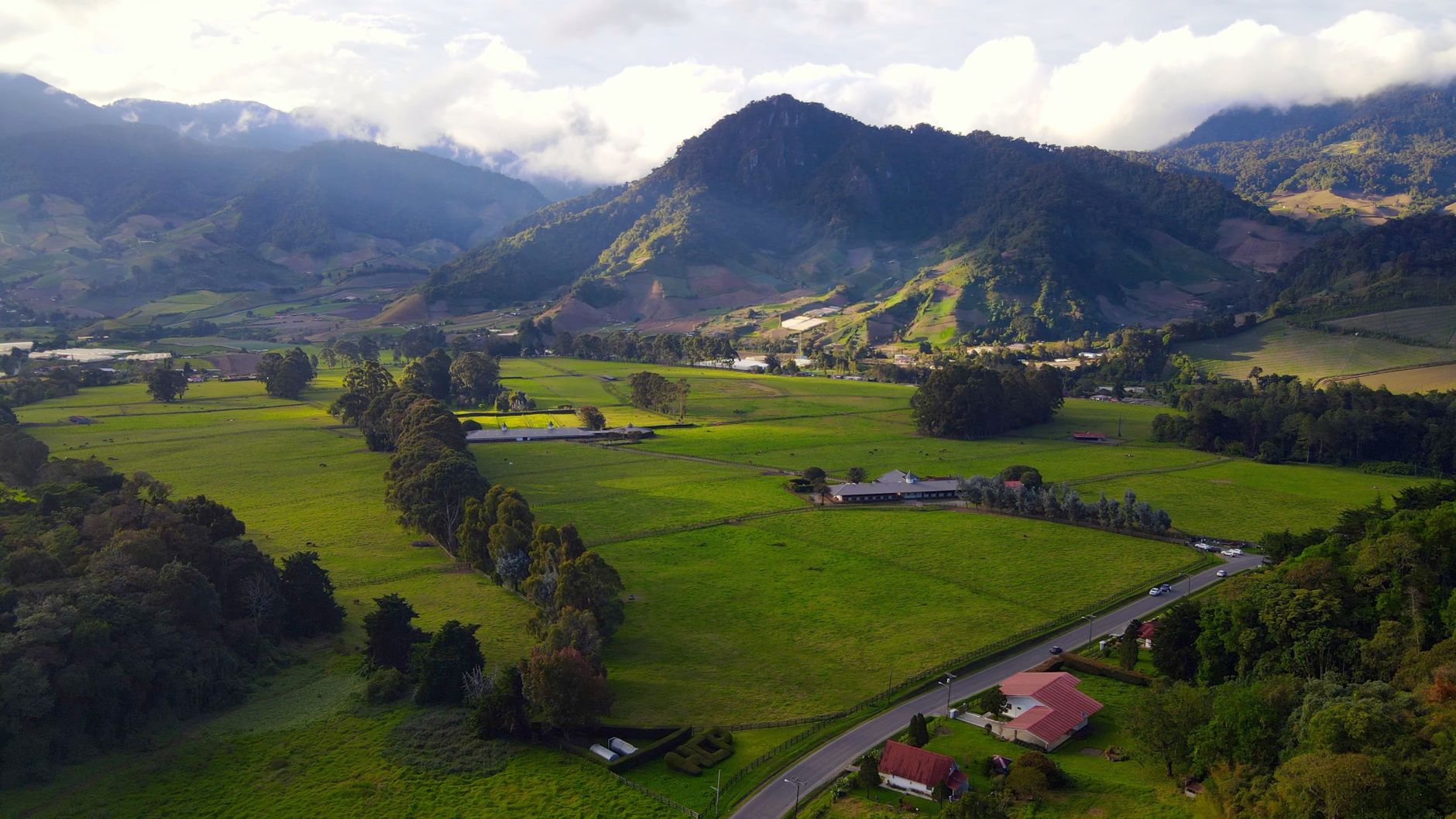
David is the third-largest city in Panama and the working capital of the country's western region — a real Latin American city of about 145,000 people that serves as the commercial, medical, and educational center for all of Chiriquí Province. It is not a retirement destination, not a beach town, not a tourism economy. It is where Panamanians actually live and work in western Panama, and it is increasingly being discovered by foreign residents who want infrastructure and value without the expat premium of Boquete or the coastal markets. If you are evaluating David with your eyes open, this guide is written for you.
What David Actually Is
David is not what most foreign-buyer marketing materials suggest. The Chiriquí of expat imagination is Boquete — the cool mountain town with the coffee farms and the established North American community. David, sitting 30–40 minutes south at sea level, gets mentioned mostly as the airport and the supermarket run.
That framing dramatically undersells David. The actual city is the third-largest in Panama (after Panama City and Colón), the regional capital of Chiriquí Province, and the practical hub for everything that makes living in western Panama possible: hospitals, universities, government offices, full-service shopping, vehicle service, professional services, and the dense Panamanian commercial and residential life that simply doesn't exist in the smaller surrounding towns.
What David actually is, is a working Latin American city with everything a working Latin American city has: traffic, heat, noise, real neighborhoods with distinct identities, an active downtown, expanding outer suburbs, and the texture of a place where Panamanians actually live their daily lives rather than vacation or retire.
The city sits in the lowland coastal plain of Chiriquí Province, about 30–40 minutes south of Boquete by car, 20 minutes east of the Costa Rica border, and 6–8 hours west of Panama City by road. Enrique Malek International Airport (DAV) is on the eastern edge of the city, with daily Copa Airlines flights to Panama City's Tocumen.
The defining feature that makes David relevant to foreign buyers is value. Real estate, services, and daily living costs in David run dramatically lower than in Boquete or coastal Panama. For people who want full urban infrastructure, modern hospitals, multiple universities, and a sustainable cost base — and who are willing to live in actual Panama rather than expat Panama — David offers something the more famous destinations cannot.
- David is Panama's third-largest city, the working capital of Chiriquí Province
- Population ~145,000 in the city, close to 200,000 in the metro area
- 30–40 minutes from Boquete; 20 minutes from Costa Rica border; 6–8 hours from Panama City by road
- Enrique Malek International Airport (DAV) — daily Copa flights to Panama City
- Predominantly Panamanian; small but growing foreign-resident community
- Not a tourist or expat destination — it's a working Latin American city
- Real estate and living costs significantly below Boquete and coastal Panama
What Daily Life Looks Like
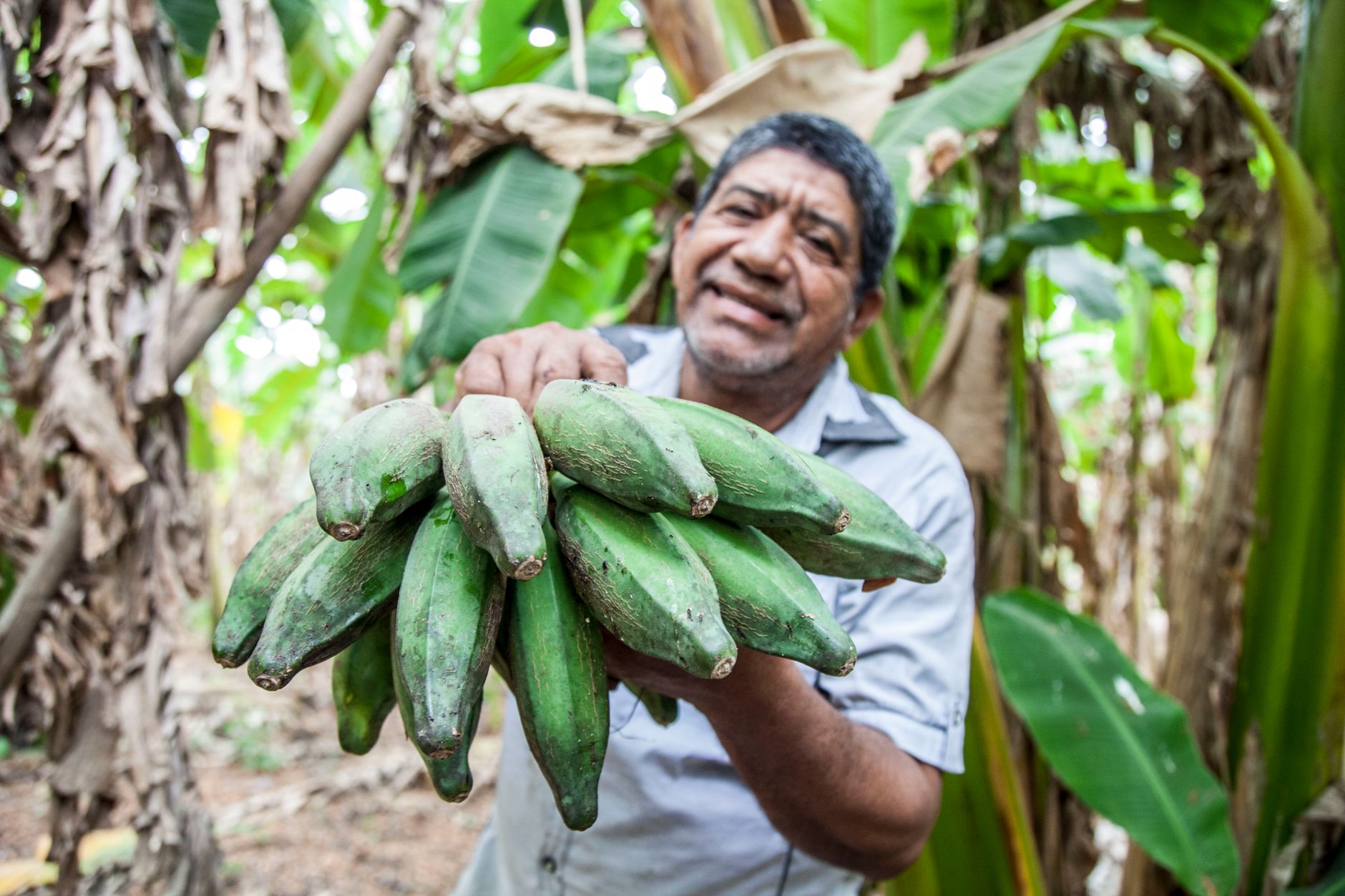
Daily life in David runs on the rhythm of a working Panamanian city, not on the expat-and-tourist patterns that define Boquete or Coronado.
Mornings start early. The city is active by 6 AM — workers commuting, children heading to school, markets opening. By 7 AM the downtown streets and the main commercial corridors are dense with activity. This is partly because Panamanians start their day early and partly because the morning hours, before the heat becomes oppressive, are simply the most pleasant time to be outside.
Midday is hot. From about 11 AM to 3 PM the lowland heat is real. Most non-essential activity slows. The larger supermarkets, shopping centers, and corporate offices stay open straight through.
Late afternoons and evenings come back to life. Streets fill again from 4 PM onward. Parque Cervantes — the central plaza downtown — fills with families, vendors, music, kids. Restaurants get busy from 7 PM. The city has the kind of public social life — strolling, plaza-sitting, ice cream after dinner — that has largely disappeared from North American daily life.
For grocery shopping, Súper 99 and Romero are the dominant chains. PriceSmart operates a large store and is heavily used by both Panamanians and the expat community. Banking is sophisticated — Banco General, BAC, Banistmo, and Global Bank all have multiple branches. The David Fair in March is the defining annual cultural event, filling the city with visitors from across the western region.
- City wakes up early; most activity 6–11 AM and 4–9 PM; midday slower due to heat
- Súper 99, Romero, PriceSmart cover full-service grocery; Mercado Público for produce
- Banking sophisticated — Banco General, BAC, Banistmo, Global Bank all present
- Hospitals make David the regional medical reference for western Panama
- Universities create student-driven energy in some neighborhoods
- David Fair in March is the city's defining annual cultural event
- Sundays significantly quieter; family-centered rhythm
Climate and Environment

David operates on a tropical lowland climate that is fundamentally different from Boquete's highland or Panama City's coastal conditions. Understanding this difference is essential because climate is the single biggest reason some people choose Boquete over David despite the lower cost.
The heat is the defining feature. Year-round daytime temperatures sit between 85°F and 95°F (29–35°C) with consistent humidity. The morning hours and late evenings cool slightly, but there is no real 'cool' season at this elevation. Night temperatures rarely drop below the mid-70s. Air conditioning is non-negotiable for any functional indoor space, and it runs essentially year-round.
The two seasons follow the same pattern as the rest of Panama: dry (December through April) and wet (May through November). Dry season brings sustained trade winds that mitigate the heat slightly. Wet season brings the predictable afternoon rain pattern — clear mornings, building clouds, heavy shower between 2–5 PM, evening clearing — along with higher humidity.
Volcán Barú dominates the regional landscape to the north. On clear days, the peak (3,475m / 11,400 ft) is visible from much of David. The contrast between David at sea level and Boquete at 1,200m creates a dramatic temperature difference accessible by a 30–40 minute drive.
The Río David flows through the city. Flooding during heavy wet-season rains is real and occasionally produces damage to lower-lying properties. Verifying flood history on any property purchase is essential. Outside the Atlantic hurricane belt — significant geographic advantage.
- Year-round 85–95°F (29–35°C), humid; no cool season at sea level
- AC essential year-round; significant electricity cost
- Two seasons: dry (Dec–Apr) with trade winds; wet (May–Nov) with afternoon rains
- Río David flooding affects lower-lying properties during heavy wet-season rains
- Volcán Barú visible from much of the city; Boquete 30–40 minutes north for cooler climate
- Outside Atlantic hurricane belt; earthquake risk moderate
- Air quality generally good but worse than highlands or coastal areas
Cost of Living Reality
David's cost structure is the central reason it appears on the radar of foreign residents considering Panama. Across most categories, David runs 30–50% below Boquete and meaningfully below Coronado and Panama City.
Housing is dramatically more affordable. A modest one-or-two-bedroom apartment in David runs $400–800 per month for long-term unfurnished rental. Furnished units in newer buildings run $600–1,200. Single-family homes range from $700–2,500 monthly depending on size and location.
Buying property: $80,000 to $500,000 covers a wide range of options. Modest in-town homes can be found below $100,000. Mid-range single-family homes in established neighborhoods run $150,000–300,000. Higher-end and gated-community properties run $300,000–700,000+. Foreigners hold full fee-simple title — no trust structure required.
Electricity, water, internet, and mobile all run at standard Panamanian rates. AC-heavy households see electricity bills of $100–250 monthly. Internet through Cable Onda, Más Móvil, or Tigo runs $35–70 for fiber service.
The honest monthly range: modest lifestyle in David — apartment, local groceries, occasional dining out, vehicle, AC use — runs $1,200–2,000 monthly. Comfortable middle-class lifestyle with a nicer home, frequent dining out, and broader social life runs $2,500–4,500.
- Cost structure runs 30–50% below Boquete or Coronado across most categories
- Apartment rentals $400–1,200/month long-term; homes $700–2,500/month
- Buying range: $80K–$500K covers wide variety; modest in-town homes below $100K
- Foreign buyers hold full fee-simple title — no trust structure
- Electricity $100–250 for AC-heavy households; fiber internet $35–70
- Restaurants meaningfully cheaper than Boquete, coastal markets, or Panama City
- Realistic monthly floor: $1,200–2,000; comfortable middle-class: $2,500–4,500
Healthcare Access
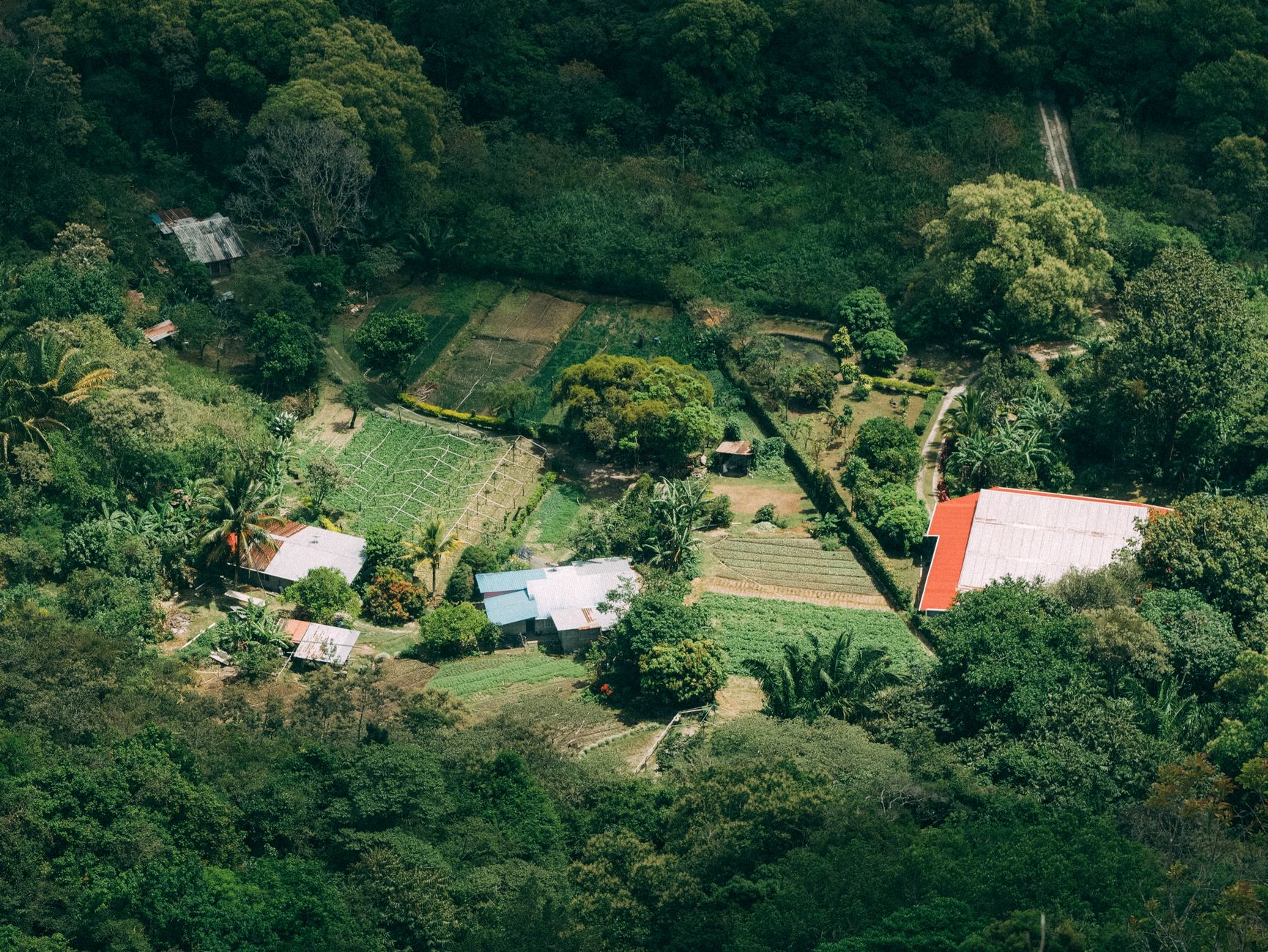
David is the regional medical hub for all of western Panama, and this is the single biggest reason some Boquete and Coronado residents end up considering David as their primary residence or as a base for healthcare-intensive periods of life.
Hospital Chiriquí, located in the city, is the regional reference private hospital. Full hospitalization, surgery, multiple specialty departments, modern equipment, and most major medical procedures are available. Costs are dramatically lower than US private care. Hospital Mae Lewis is another significant private hospital with strong reputation in certain specialties. Multiple specialty clinics — cardiac, oncology, orthopedics, fertility, pediatric — operate at international standards.
The public Caja de Seguro Social system provides full coverage for legal residents contributing to the system. Most expat residents use private care for routine and moderate needs, with public coverage as catastrophic backup.
Pharmacies are widespread. Multiple chains operate citywide with locations open late. Many medications requiring prescription in North America are available over the counter at significantly lower prices.
Routine private medical care: General practitioner consultations run $30–60 USD. Specialists run $60–150. Dental care is affordable and is why many Panamanians from outside the region come to David for major dental work.
For complex specialist care that exceeds David's resources, Hospital Punta Pacífica in Panama City is the practical destination via the 50-minute domestic flight from DAV.
- David is the regional medical hub for western Panama
- Hospital Chiriquí is the main private hospital — full hospitalization, surgery, multiple specialties
- Hospital Mae Lewis and other major private facilities supplement
- Caja public system available with monthly contributions; private care primary for expats
- General practitioner consultations $30–60; specialists $60–150; dramatically below US rates
- Pediatric care strong locally; complex pediatric needs may route to Panama City
- Hospital Punta Pacífica in Panama City (Johns Hopkins) for complex specialist care
Getting Around and Getting Out
David is large enough that a vehicle is essentially necessary for daily life, though pockets of the city are genuinely walkable.
The downtown core around Parque Cervantes is the most walkable district. Restaurants, banks, government offices, the central market, and many essential services are within a 10–15 minute walking radius. For most residents, vehicle ownership is the standard.
The Pan-American Highway bisects the city and connects east toward Santiago and Panama City, west toward the Costa Rica border. Interior roads connect to Boquete, the surrounding mountain communities, and the Pacific coast beaches. Most roads in and around David are paved and in reasonable condition.
The Enrique Malek International Airport (DAV) is on the eastern edge of the city, 15–20 minutes from downtown. Daily Copa Airlines flights connect to Panama City's Tocumen — a 50-minute domestic flight. This routing is the practical international travel path for most David residents.
Regional buses connect David to Panama City (6–8 hours), to the Costa Rica border at Paso Canoas (45 minutes), to Boquete (45 minutes), and to other regional destinations. For getting to Pacific beaches, Las Lajas and Playa Barqueta are 30–45 minutes drive. For Boquete, 30–40 minutes north. For the Costa Rica border, 20 minutes west.
- Downtown core walkable; most residents need vehicle for full city
- Pan-American Highway bisects city, connects east to Panama City, west to Costa Rica
- Enrique Malek Airport (DAV) — daily Copa flights to Panama City (50 min)
- Regional buses connect to Panama City, Costa Rica border, Boquete, other destinations
- Local Uber limited; taxis widely available at affordable rates
- Pacific beaches 30–45 min south; Boquete 30–40 min north
- Costa Rica border 20 min west — David is the closest Panamanian city to CR
Community and Social Life

David's social structure is fundamentally different from the expat-driven communities of Boquete or Coronado. This is a Panamanian city; the foreign-resident community is small and integrates into the broader fabric rather than forming the dominant social structure.
The Panamanian community is the foundation. Multi-generational Chiricano families anchor the city's social, business, and cultural life. School networks form alumni networks spanning generations. The Catholic religious calendar shapes the cultural calendar.
The foreign-resident community is small but present. North Americans, Europeans, and some Latin Americans have settled in David for the cost structure, healthcare infrastructure, or as a base for accessing the surrounding region. Many came after first considering Boquete and choosing the city's amenities over the highland expat premium.
Unlike Boquete and Coronado, David does not have a critical mass of English-speaking expats that supports robust English-only social infrastructure. Spanish proficiency is essentially required for a full social life.
Universities — Universidad Autónoma de Chiriquí, Universidad de Panamá David Campus, and several private universities — create a student-driven energy in certain neighborhoods. The David Fair (March), the Festival de la Mejorana (regional folk music), and Independence Day celebrations all draw the broader community together. Soccer is the dominant sport with active local leagues at all ages.
- David is a Panamanian city; foreign-resident community is small and integrated, not dominant
- Spanish proficiency is essentially required for full social life
- Long-standing Panamanian families anchor the city's social and business life
- Universities create student-driven energy and culture
- Catholic religious calendar shapes much of community life
- David Fair in March is the defining annual cultural event
- Soccer dominates sports culture; baseball has historical significance
Schools and Family Life
David has substantial school infrastructure compared to Boquete or coastal Panama. Multiple private and public school options serve the city and surrounding region.
Private schools are well-established. Colegio La Salle (Catholic), Colegio María Auxiliadora (Catholic), and several other private religious and secular schools serve middle and upper-middle-class Panamanian families. Annual tuition runs $2,000–8,000 — meaningfully less than Panama City international schools.
Internationally accredited curricula (IB, US-accredited, fully English-medium) are more limited. The full international school experience available in Panama City does not exist in David. Families requiring this level of curriculum either commute to schools in Boquete, supplement with distance learning, or relocate to Panama City for school years.
Higher education is one of David's defining advantages — multiple universities serve the city and region, drawing students from across western Panama and even into Costa Rica. Universidad Autónoma de Chiriquí and the Universidad de Panamá David Campus offer programs across most major fields.
Activities for children: organized sports leagues (soccer, baseball), swim teams, dance, music, taekwondo, art classes, and various religious-affiliated youth programs. The infrastructure for organized children's activities is meaningfully better than in Boquete or coastal towns.
- Multiple private schools (Colegio La Salle, Colegio María Auxiliadora) at $2,000–8,000/year
- Public schools comprehensive; quality varies
- Full international school experience (IB, etc.) not available in David; requires Panama City
- Multiple universities — strong higher education infrastructure
- Pediatric specialists locally available
- Organized children's activity infrastructure better than Boquete or coastal communities
- Specialized educational support more developed than smaller cities; less than Panama City
Working and Income
David offers more local employment opportunity than Boquete or Coronado, modest remote-work suitability, and a different entrepreneurial landscape shaped by serving a Panamanian rather than expat market.
For local employment, David is the largest employment market in western Panama. The major hospitals employ significant numbers; the universities employ academic and support staff; regional offices of government and major Panamanian corporations are based here; agriculture and food-processing industries surround the city. Pay reflects Panamanian middle-class wages — meaningfully above rural Panama but below US/Canada/EU equivalents.
For remote work, internet infrastructure is good. Fiber service through Cable Onda, Más Móvil, and Tigo covers most of the city reliably. Time zone is UTC-5 year-round (no DST), aligned with US Eastern Standard Time. Coworking spaces are limited compared to Panama City but a few small operations exist.
Entrepreneurship in David targets the Panamanian market rather than the expat market. Real estate brokerage, property management, and construction services are active. Foreign entrepreneurs who want to build expat-facing businesses generally find those markets up the mountain or on the coast, not in David.
Vacation rental income is limited — David is not a tourism destination. Long-term rental to local Panamanians is more common. The territorial tax structure means foreign-source income is generally not taxed by Panama for residents.
- Largest employment market in western Panama; major hospitals, universities, regional offices all here
- Foreigners need work authorization; pay reflects Panamanian economy, not foreign salaries
- Remote work viable with reliable fiber; UTC-5 aligned with US Eastern Standard year-round
- Coworking limited; most remote workers work from home or cafes
- Entrepreneurship targets Panamanian market, not expat market
- Vacation rentals limited (not a tourism destination); long-term local rentals more common
- Territorial tax: foreign-source income generally not taxed by Panama for residents
Safety and Honest Concerns
David is generally safe for residents and visitors, with safety profile typical of a mid-sized Latin American working city.
The honest framing: David is significantly safer than most Latin American capitals but has more visible street activity than Boquete or coastal expat communities. The risk profile is closer to a moderately sized US city than to either a rural Panama town or a high-risk Latin American capital.
Petty crime is the most common issue. Phone theft, pickpocketing in busy markets and public spaces, theft from vehicles in unsecured parking, and opportunistic property crime in less-secured residences all happen. Standard urban precautions reduce these substantially.
Violent crime is concentrated in specific zones. The downtown core and the established residential neighborhoods are generally safe. Some peripheral neighborhoods carry elevated risk, particularly at night. Foreign residents in David tend to live in established residential neighborhoods — Ciudad Radial, Las Tinajas, La Encantada, Brisas del Norte — which carry the same general urban-residential safety profile as comparable neighborhoods in any Latin American city.
The Río David flooding has caused property damage during heavy wet-season storms. Traffic safety is also a consideration: Panama has higher per-capita traffic fatality rates than the US or Canada. Defensive driving and pedestrian caution both matter.
- Safer than most Latin American capitals; more visible street activity than Boquete or coastal communities
- Petty crime (phone theft, pickpocketing, vehicle break-ins) most common; basic precautions help
- Some peripheral neighborhoods and areas around bus terminal carry elevated risk
- Established residential neighborhoods generally safe; foreign residents tend to live in these
- Río David flooding affects lower-lying properties during heavy wet-season rains
- Traffic safety significant — higher fatality rates than North America
- Outside Atlantic hurricane belt; earthquake risk moderate
The Hard Truths
The heat is the single biggest factor that drives people to choose Boquete over David. Year-round 85–95°F (29–35°C) with humidity is more intense than many newcomers expect, and AC bills reflect this. People who function poorly in heat should seriously consider whether Boquete's cool climate is worth the cost premium before committing to David.
The English-language bubble is real and limiting. Unlike Boquete or Coronado, David does not have a large enough foreign-resident community to support English-dominant social life. Residents who don't develop Spanish proficiency are meaningfully more isolated than they would be in expat-saturated communities.
Urban density and noise are part of David. People who arrive expecting 'small town Latin American calm' sometimes discover working-city noise — traffic, music from neighbors, dogs, the general density of life in a city of 145,000 people.
David is not a tourism destination, and this affects daily life in subtle ways. Restaurants are oriented to local Panamanian taste, not international cuisine. The wellness-focused commercial infrastructure that has developed in expat communities is less developed in David.
Bureaucracy is real. Government offices in David serve the entire western region, and processes are slow. Pensionado visa applications, residency progressions, and banking all require time and patience. Local attorneys and gestores are normal expense.
First-year adjustment to David is meaningful — climate, language, urban density, and cultural integration all test new residents. Those who get through 18–24 months tend to stay. Those who don't tend to relocate to Boquete or back home.
- Heat year-round 85–95°F (29–35°C) with humidity; bigger factor than newcomers expect
- English-language social bubble doesn't exist in David — Spanish proficiency essentially required
- Urban density and noise are real; quieter neighborhoods exist but require deliberate selection
- Restaurants oriented to local taste, not international expat cuisine
- Bureaucracy slow; local attorneys and gestores are normal expense
- Some specialized healthcare still requires Panama City travel
- Construction quality varies widely; independent inspection essential
- Property appreciation more modest than expat communities
- First-year adjustment significant; year-two meaningfully easier
Frequently Asked Questions About Living in David
Is David safe for foreigners to live in?
David is generally safe for residents and visitors, with safety profile typical of a mid-sized Latin American working city. Standard urban precautions address most realistic risks. Foreign residents in established residential neighborhoods experience the same safety as Panamanian residents in those neighborhoods.
How much does it cost to live in David?
Modest lifestyle with apartment, local groceries, and basic transport runs $1,200–2,000 monthly. Comfortable middle-class lifestyle with a nicer home, frequent dining, and broader social activity runs $2,500–4,500. David runs 30–50% below Boquete or coastal expat communities across most categories.
Do I need to speak Spanish to live in David?
Yes, more than in Boquete or Coronado. David does not have the large English-speaking expat community that makes life functional without Spanish in the expat enclaves. Real friendships with Panamanians, access to services, and full integration into the community all require Spanish proficiency.
What is the best time of year to visit David?
Dry season (December through April) brings less rain and slightly cooler temperatures. The David Fair in March is the city's defining annual cultural event and the best time to experience the city at its most active.
Quick Reference: David At a Glance
- Province
- Chiriquí
- Region
- Western Panama / Pacific Lowlands
- Time Zone
- UTC-5 (EST, no DST)
- Airports
- DAV (David, domestic) · PTY (Tocumen, international via Panama City)
- Foreign Ownership
- Full fee-simple title
- Peak Season
- December – April; March (David Fair)
- Language
- Spanish (limited English outside expat contexts)
Getting There
International arrivals route through Tocumen International Airport (PTY) in Panama City, then a 50-minute domestic Copa Airlines flight to Enrique Malek International (DAV) in David. DAV is 15–20 minutes from downtown David. The Pan-American Highway drive from Panama City to David takes 6–8 hours; most residents use the flight.
Real Estate Overview
David offers Panama's best-value urban real estate market. Range spans modest in-town homes ($80K–150K), mid-range single-family homes in established neighborhoods ($150K–300K), and higher-end gated-community properties ($300K–700K+). Foreign buyers hold full fee-simple title without trust structure. The market serves a Panamanian buyer pool primarily; foreign-resident demand is secondary but growing.
What Works
- Lowest cost of living among Panama's major destinations — 30–50% below Boquete or coastal areas
- Best regional healthcare infrastructure — Hospital Chiriquí and major specialty centers
- Multiple universities — strong higher education infrastructure
- Outside Atlantic hurricane belt — geographic advantage
- 30–40 minutes to Boquete for cool climate access; 30–45 minutes to Pacific beaches
What to Consider
- Year-round heat (85–95°F / 29–35°C) is significant; AC essential and expensive
- English-language social infrastructure limited; Spanish proficiency essentially required
- Urban density and noise; not a small-town environment
- Not a tourism destination; restaurant and amenity culture oriented to Panamanian taste
- Property appreciation more modest than expat-saturated markets
Practical Notes
Choosing David means choosing real Panamanian Panama — a working Latin American city with full urban infrastructure, healthcare excellence, and value that cannot be matched in the expat-driven communities of Boquete or Coronado. The trade-off is heat, density, language requirements, and the absence of the English-speaking comfort zone that makes Boquete easier for new arrivals. Spanish acceleration is the most reliable predictor of long-term satisfaction. The 30–40 minute proximity to Boquete makes 'best of both' lifestyles possible — David for daily life, Boquete for weekends when the heat is too much. Budget realistically for AC-heavy electricity bills, vehicle ownership, and the kind of urban-property maintenance that any city of 145,000 people requires. Give yourself two full years before judging whether David is the right place — first-year heat adjustment tests almost everyone.
Explore David Listings
Nearby Areas
Related David Resources
David Market Hub — Browse Listings | David Panama as a Practical Base for Chiriquí Buyers | Where to Buy in Panama If You Want a Lower Cost of Living | Best Places to Retire in Panama | Panama Highland Real Estate for Retirement | Panama Real Estate Guide for American Buyers | Boquete Living Guide — Highland Coffee Town | Volcán Living Guide — Chiriquí Highlands Alternative to Boquete | Cerro Punta Living Guide — Panama's Highest Town