What Is Life in Boquete, Panama Like?
Chiriquí
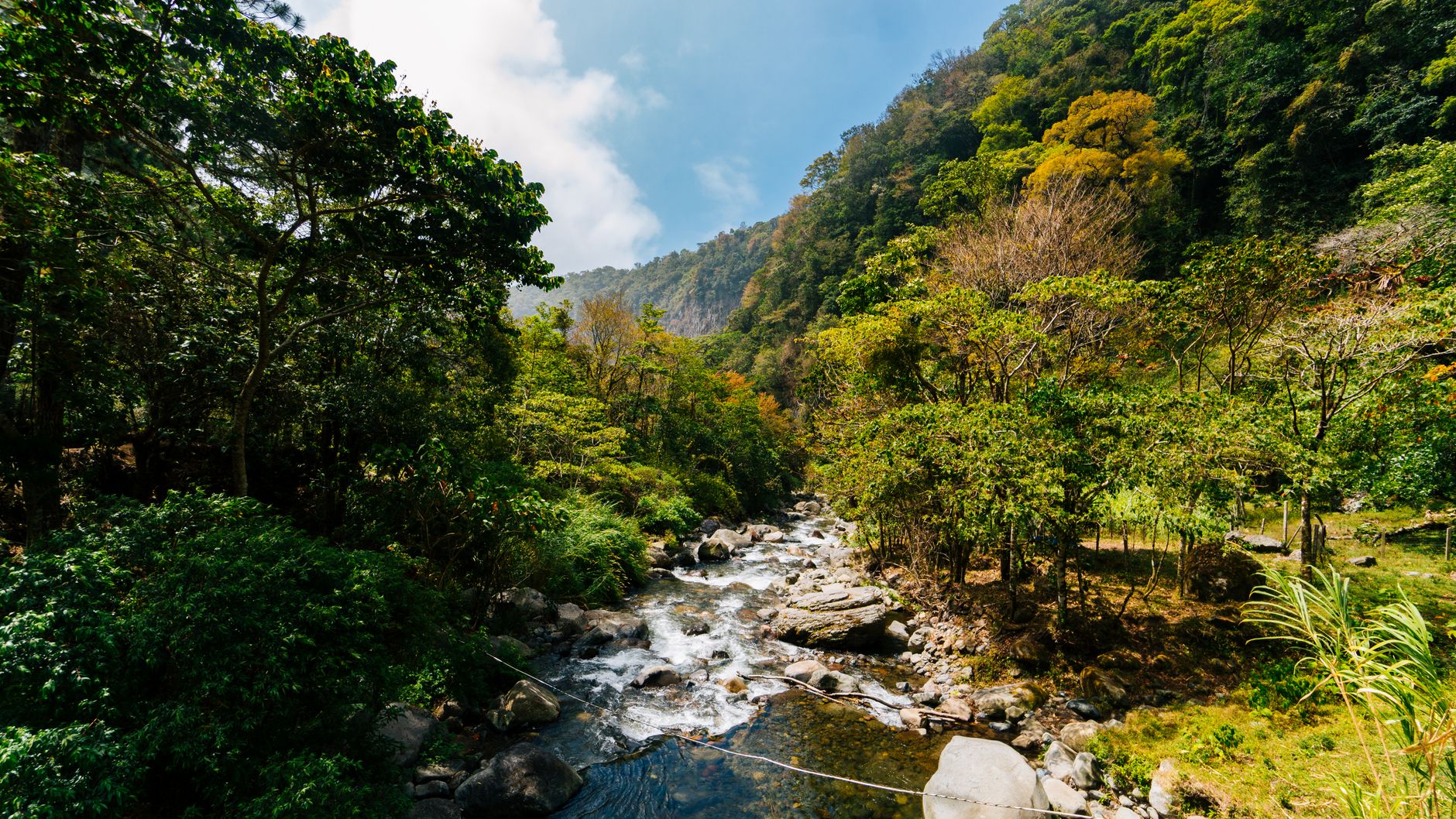
Boquete is not undiscovered. It is not a hidden gem. It is one of the most internationally recognized expat retirement destinations in Latin America, with an established North American and European community that has been growing for twenty-plus years. What it is, more precisely, is a genuine highland town in western Panama's Chiriquí province — a place where coffee farms climb the flanks of an active volcano, where the morning air requires a fleece jacket at times, and where the Tuesday farmer's market serves as the weekly social spine for a community that is layered, complex, and not easily summarized in a lifestyle brochure. If you are evaluating Boquete with your eyes open to both what works and what doesn't, this guide is written for you.
What Boquete Actually Is
Boquete sits at roughly 1,000 meters elevation in the Caldera river valley, in Chiriquí province — Panama's westernmost highland territory. The town itself is small: the downtown core (locally called "the pueblo") is walkable, centered on the plaza, and compact enough to cover on foot in 20 minutes. But "Boquete" as residents use the word encompasses a significantly larger geography: Alto Boquete, Volcancito, Jaramillo, Boqueron, Caldera, and the coffee-growing mountain communities that surround the valley are all part of the Boquete district, each with its own character and price point.
The town sits approximately 30–40 minutes by road from David, Chiriquí's provincial capital, which provides the hospital infrastructure (Hospital Chiriquí, Hospital Mae Lewis), major supermarkets, and the David Enrique Malek International Airport (DAV). Panama City is approximately 7–8 hours by road or a short connecting flight via DAV.
Boquete's defining features are well-known for good reason: it is a genuine coffee-growing region, home to some of the world's most expensive Geisha varietal coffee farms. Volcán Barú — Panama's highest peak at 3,474m — looms above the town and is a direct hike from the surrounding communities. The climate is the single biggest differentiator from every other Panama destination: genuinely cool, sometimes cold at night, and permanently green.
The expat community here is not a fringe presence. Boquete has one of the largest established North American and European expat populations in Panama, with some residents having been here 20+ years. The community has built infrastructure around itself: bilingual real estate agents, English-language dental and medical clinics, expat-focused gyms and restaurants. This is a positive and a complication — the town accommodates newcomers easily, which means integration into Panamanian life takes active effort rather than being forced by circumstance.
- Sits at ~1,000m elevation in Chiriquí province, western Panama
- District includes Alto Boquete, Volcancito, Jaramillo, Boqueron — each with different character and price
- 30–40 minutes from David; 7–8 hours from Panama City by road
- One of the world's premier Geisha coffee-growing regions
- Volcán Barú (3,474m) is directly accessible for hiking from surrounding communities
- Among Panama's largest established expat communities — infrastructure follows accordingly
- Cool highland climate is the defining differentiator from all other Panama markets
What Daily Life Looks Like
Boquete operates on a highland rhythm that surprises people expecting tropical Panama. Mornings are cool — often requiring a fleece or light jacket before 9am — and the town comes alive early. The central park and surrounding streets are active from breakfast onward. By midday, temperatures have warmed but rarely become uncomfortable. Evenings cool again, and some nights in the green season require a proper layer.
The phenomenon locals and long-term expats call "bajareque" — a distinctive misty drizzle carried by trade winds — is a defining feature of Boquete's daily life, particularly during the dry season (December through April). It produces remarkable rainbows constantly and keeps the landscape impossibly green, but it also means some days feel overcast even when the rest of Panama is sunny.
Shopping: The Romero supermarket chain has locations in Boquete and is the primary grocery source for most residents. Mandarin Market stocks imported goods and Asian pantry staples. For fresh produce, the Tuesday Market (Mercado Municipal de Boquete) functions as the weekly social hub — it's where expats, local farmers, Indigenous Ngäbe-Buglé vendors, and coffee growers all converge, and it is genuinely excellent for produce, prepared foods, plants, and crafts. A Saturday farmers' market operates as well.
Banking: Banco Nacional, Banistmo, and Global Bank all have Boquete branches. ATMs are available but can run out of cash on weekends and after market days — stock up in David if your needs exceed the local supply.
Pharmacies are present in town and carry common medications. Specialty prescriptions should be filled in David.
Sundays in Boquete are quiet. Most businesses have shorter hours. Church is important in the community. The morning is a good time for the trails around town; midday is genuinely slow.
- Cool mornings requiring a layer; comfortable afternoons; cool evenings — no AC needed at any time of year
- Bajareque (misty trade-wind drizzle) is a constant feature, particularly Dec–Apr, producing daily rainbows
- Tuesday Market is the primary social event of the week — fresh produce, crafts, community
- Romero supermarket covers most needs; Mandarin Market for imports
- Banking available; ATMs can be unreliable on weekends — stock cash from David
- Pharmacy access is good for routine medications; specialty items require David
- Sundays are genuinely quiet — plan around reduced hours
Climate and Environment
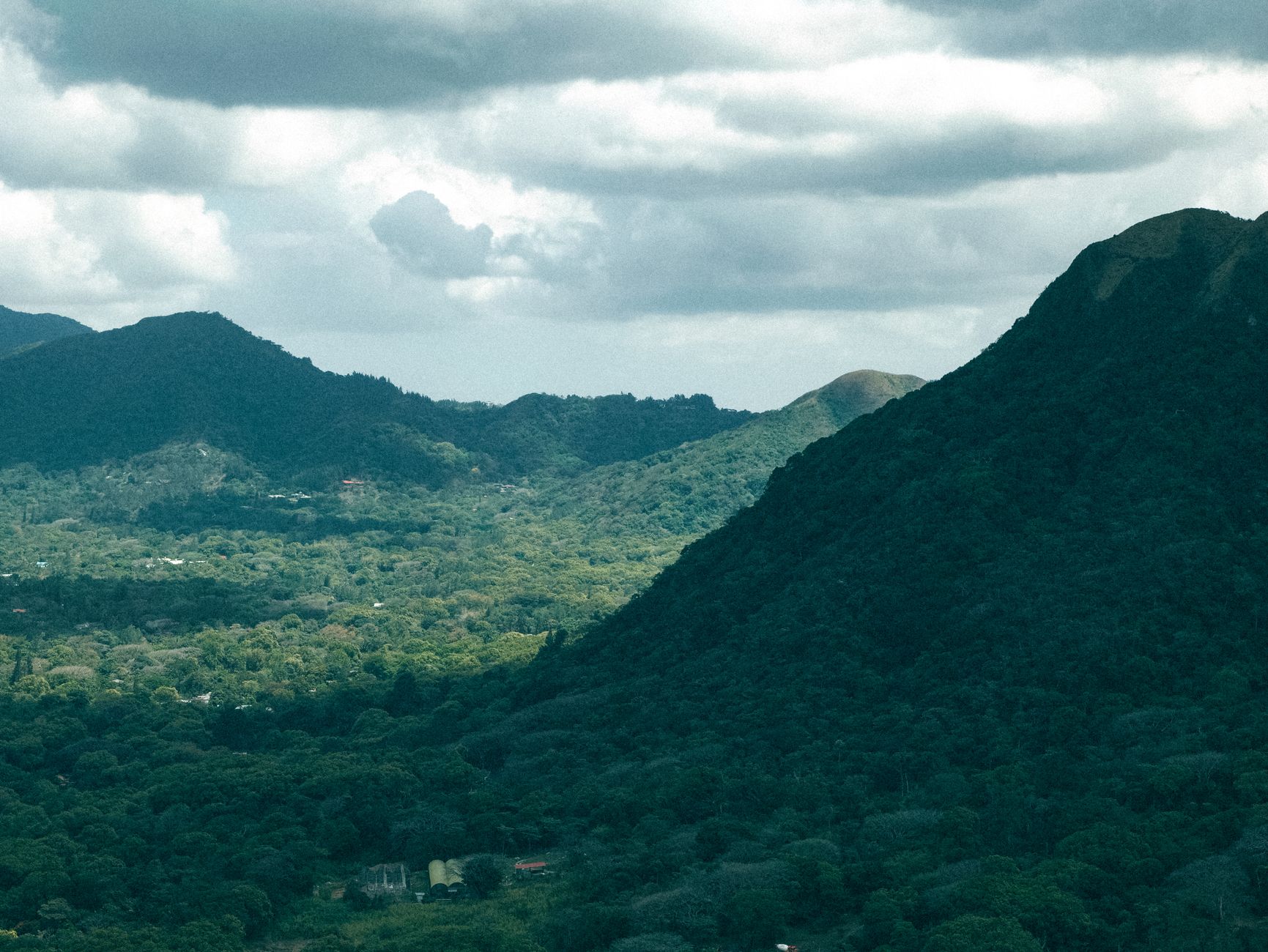
Boquete's climate is the primary reason most buyers choose it over any other Panama destination. Temperatures range from approximately 15–27°C (60–80°F) year-round — warm enough for shorts during the day in dry season, cool enough to require a jacket on many evenings and most mornings. Air conditioning is not needed. Some residents use electric blankets or a small space heater on the coolest evenings.
There are two seasons, but neither resembles what those words imply elsewhere in Panama. The dry season (December through April) is characterized by the bajareque — trade winds from the Caribbean side push moisture over the continental divide, creating a distinctive misty drizzle that keeps everything green and produces the rainbows Boquete is famous for. It is not blazing sun and beach weather; it is fresh, cloudy, and cool. The green season (May through November) brings more substantial rain, particularly in the afternoons, though mornings are often clear. The landscape intensifies in green.
Volcán Barú shapes the microclimate significantly. Its slopes channel winds, create rain shadows in specific communities, and generate altitude variation that means the micro-communities around Boquete — Jaramillo, Volcancito, Palmira, Alto Quiel — can have meaningfully different conditions from the town center. Alto communities tend to be cooler and cloudier; valley communities slightly warmer.
Wildlife is exceptional. Boquete and the surrounding Volcán Barú National Park are among the best places in the Americas to see Resplendent Quetzals — the highland cloud forest is prime habitat. Hummingbirds of multiple species are present year-round and can be observed from garden feeders in most residential properties. Howler and white-faced monkeys are present in forested areas. Tapirs and pumas inhabit the national park. The birding community centered on Boquete is active and organized.
- Year-round temperatures 15–27°C (60–80°F) — no AC needed, occasional heater on cold evenings
- Bajareque (misty drizzle) defines dry season Dec–Apr; green season May–Nov brings heavier afternoon rain
- Microclimate variation between valley and altitude communities is meaningful — inspect specific location
- Volcán Barú National Park begins at the edge of town — one of the best Quetzal habitats in the Americas
- Hummingbirds, monkeys, and extraordinary birding are accessible from most residential properties
- No air conditioning needed; some residents add a small space heater for cold-season evenings
- The landscape stays green year-round — this is one of Panama's most visually striking environments
Cost of Living Reality

Boquete is not the cheapest place in Panama. Let's establish that clearly. Decades of expat demand have created a cost premium that doesn't exist in David, Santiago, or the smaller agricultural towns of Chiriquí. If your goal is maximum budget efficiency, the surrounding area offers lower costs — but you will lose the specific Boquete community and infrastructure that most people are actually choosing.
Housing: Rental prices vary significantly by community and property type. In-town walkable apartments range from approximately US$600–1,200/month for a furnished 1–2 bedroom. Mountain community homes with views and land run from US$900–2,500+/month depending on size. Buying: town condos and smaller homes start around US$120,000–180,000; coffee farm properties with land are US$250,000–600,000+ and can run significantly higher for premium farms. High-end mountain estates with developed infrastructure reach US$500,000–1M+.
Groceries: Fresh produce from the Tuesday Market is genuinely affordable — Panamanian agricultural economy prices for local items. Imported goods (specific cheeses, wines, specific condiments, U.S. packaged foods) carry import premiums of 30–80% over U.S. prices. The Romero supermarket covers basics well at reasonable prices; Mandarin Market serves the specialty import demand.
Utilities: Electricity bills are modest because no AC is used. Internet: fiber is widely available and reliable; expect US$40–80/month for solid fiber service. Water is inexpensive.
Vehicle: A reliable 4WD vehicle is important, especially for mountain community residents. Gas prices are comparable to U.S. mid-range. Vehicle maintenance and tires (mountain roads are hard on tires) are meaningful expenses.
Realistic monthly budgets: A couple living a modest but comfortable Panamanian lifestyle — local produce, in-town apartment, public transport supplemented by a vehicle — can get by on US$1,500–2,200/month. A couple with a mountain home, vehicle, imported foods, and regular flights back to the U.S. should budget US$2,800–4,500/month. These are honest ranges, not minimums or maximums.
- Boquete carries a cost premium over comparable highland towns — expat demand has driven this for 20+ years
- In-town rentals: US$600–1,200/month furnished; mountain community homes US$900–2,500+/month
- Purchase prices: US$120,000–180,000 for townside condos/small homes; coffee farms US$250,000+
- Tuesday Market produce is excellent value; imported goods carry 30–80% premium over U.S. prices
- Electricity low (no AC); internet reliable at US$40–80/month; 4WD vehicle needed for mountain living
- Couple realistic budget: US$1,500–2,200/month (local lifestyle) to US$2,800–4,500/month (full-expat lifestyle with travel)
- No AC requirement is a genuine cost advantage that compounds over years
Healthcare Access
Boquete has routine medical care available in town — there are several general practitioners, a dental clinic, a pharmacy, and an optical shop. For everyday needs, you won't be making the drive to David constantly. However, Boquete does not have a hospital. For anything requiring inpatient care, specialist consultations, imaging, or surgery, David is your first destination.
Hospital Chiriquí in David (~30–40 minute drive) is the primary hospital for Chiriquí province and handles most medical needs competently. It has emergency services, surgical suites, cardiology, and specialist services. Hospital Mae Lewis, also in David, is a strong private hospital option. For major specialist care — oncology, complex cardiology, neurosurgery — Panama City's hospitals (particularly Hospital Punta Pacífica, affiliated with Johns Hopkins) are the destination. That requires either a 7–8 hour drive or a flight through David airport.
Panama's Pensionado visa provides pensioners with discounts on medical services, medications, and procedures — typically 20–25% on many health services. This is a significant financial benefit that effectively reduces out-of-pocket medical costs meaningfully over time.
Medical costs in Panama are substantially lower than in the United States for most procedures. Many North American expats operate without comprehensive health insurance, relying on out-of-pocket payment for routine care and carrying emergency/evacuation insurance for catastrophic events. This is a personal risk calculation — the geography means that any serious medical event requires fast decisions about where to go and how to get there.
- Routine care available in Boquete — GPs, dentists, pharmacy, optical
- Hospital Chiriquí and Hospital Mae Lewis in David (~35 min) handle most hospital-level needs
- Major specialists and complex surgery: Panama City hospitals (7–8 hours or flight via DAV)
- Hospital Punta Pacífica (Panama City) is Johns Hopkins-affiliated — benchmark for serious cases
- Pensionado visa provides 20–25% discounts on many medical services and medications
- Medical costs substantially lower than U.S. — many expats carry only emergency/evacuation coverage
- Geography requires planning: serious conditions require fast decisions about David vs. Panama City
Getting Around and Getting Out

Boquete's town center is walkable. The plaza, supermarket, restaurants, pharmacy, and weekly market are all accessible on foot from most in-town residences. However, the broader district — Alto Boquete, Volcancito, Jaramillo, the coffee farm communities — requires a vehicle, and mountain roads can be unpaved and steep. A 4WD is not luxury; it is practical infrastructure for highland living.
David is the operational hub that Boquete depends on. The David–Boquete run (approximately 30–40 minutes on the Inter-American Highway plus the mountain ascent) is a regular feature of resident life — weekly for many, multiple times per week for others. David has the Pricesmart (Costco equivalent), the major hospitals, the airport, the banks, and the commercial infrastructure that Boquete's size doesn't support.
For getting out of the country or reaching Panama City, there are two routes. The David Enrique Malek Airport (DAV) offers scheduled domestic flights to Albrook (Panama City) via Air Panama — a ~1 hour flight that avoids the mountain drive. Check schedules and book ahead as capacity is limited. For international travel, most residents drive to Panama City (7–8 hours) or fly domestically to connect at Tocumen (PTY), Panama's international hub. Some residents keep a Panama City apartment for medical trips and international travel.
Bus service connects Boquete to David frequently and affordably. Inter-provincial buses from David reach the rest of Panama. Taxis are available within Boquete and for David runs. Uber does not operate in Boquete.
- Town center is walkable; mountain communities require a vehicle — 4WD strongly recommended
- David (35 min) is the operational hub for hospitals, Pricesmart, airport, and commercial needs
- David Airport (DAV) offers domestic Air Panama flights to Panama City (~1 hour) — book ahead
- International connections via Tocumen (PTY): either 7–8 hour drive or DAV domestic connection
- Bus service to David is frequent and affordable; inter-city buses from David cover the country
- Taxis available in town and for David runs; Uber does not operate in Boquete
- Mountain roads can be unpaved and steep — tire wear and 4WD are practical, not optional
Community and Social Life
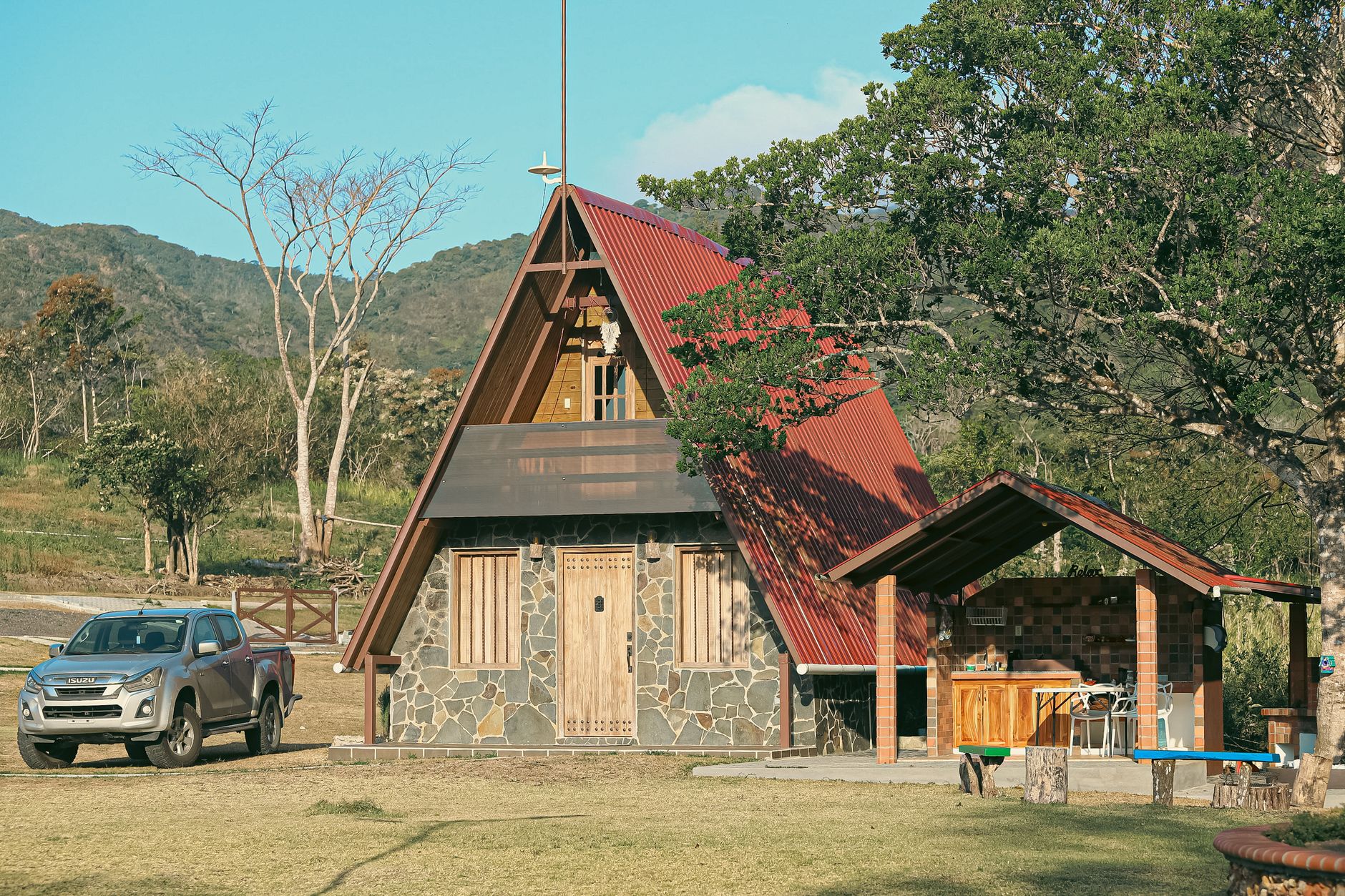
Boquete's community is genuinely layered in a way that most highland destinations in the region are not. The Indigenous Ngäbe-Buglé communities occupy the surrounding mountains and are a visible, important presence — they are the primary labor force for coffee harvesting and maintain distinct cultural practices. Long-standing Panamanian families, some of whose grandparents arrived generations ago, form the civic and commercial backbone of David and Boquete alike. And then there are the internationally born residents: North Americans (predominantly U.S. and Canadian), Europeans (particularly Germans, Swiss, and British), and a growing contingent from elsewhere who have made Boquete a permanent home.
The Tuesday Market (Feria del Agricultor) is the social center of the week. What began as a farmers' market has evolved into a complex community event where coffee, produce, crafts, prepared food, clothing, and plants are sold alongside expat-run stalls — and where the entire community overlaps in a way that doesn't happen elsewhere. It is genuinely worth building your week around.
Organized community activity is well-developed: hiking groups (notably the Boquete Hiking Club, one of Panama's most active), gardening clubs, tennis groups, bridge games, book clubs, and the annual Boquete Jazz & Blues Festival (January) and Coffee & Flowers Festival (January/February) provide social anchors. The Biblioteca Comunitaria Padre Daniel (BCP) runs community programs and is a focal point for integration efforts.
Spanish proficiency dramatically affects the quality of Boquete life. The expat community infrastructure means you can function in English indefinitely — but you will have a shallower, narrower experience. The Panamanian half of the community, the market vendors, the coffee farmers, the local service providers — that world opens through Spanish.
- Three distinct communities: Ngäbe-Buglé Indigenous, Panamanian, and international expat — each with own social world
- Tuesday Market (Feria del Agricultor) is the primary weekly social hub — don't skip it
- Hiking Club, gardening groups, tennis, bridge, and book clubs provide expat social infrastructure
- Annual Jazz & Blues Festival (January) and Coffee & Flowers Festival (Jan/Feb) are community anchors
- Biblioteca Comunitaria Padre Daniel (BCP) provides community programs and integration pathways
- Spanish proficiency is the single biggest dividing line between full and partial community access
- The international community is large enough to create an echo chamber — active effort needed to avoid it
Schools and Family Life
Boquete is primarily a retirement and second-home destination — the majority of international buyers are not relocating with school-age children. That said, family life in Boquete is not impossible, and a minority of expat families do make it work.
Public schools in Boquete operate in Spanish and follow the Panamanian national curriculum. For families seeking English-medium or bilingual education, options in Boquete itself are limited. The Instituto Bilingüe Churchill provides bilingual instruction and is the most established private school in the area. For international-standard education — IB curriculum, U.S.-standard preparation — David has more options, and Panama City is where the full range of international schools (Panama International School, International School of Panama, King's College) is found.
Outdoor life is Boquete's strongest asset for families with children: hiking, birding, river activities, coffee farm tours, and proximity to wild nature provide a quality of outdoor childhood experience that is exceptional. The Boquete Community Players theater group and the broader community's organized activities include children's programming. The general safety environment is suitable for family life with the usual awareness and precautions.
For families with children requiring specialized education (learning differences, gifted programs, disability accommodations), Boquete's resources are limited. These needs are best served from David, Panama City, or by returning to home country resources.
- Primarily a retirement destination — school-age children are a minority of the international community
- Instituto Bilingüe Churchill provides bilingual education; David offers more private school options
- IB and international-standard schools: Panama City is the destination
- Outdoor life for children is exceptional — nature, hiking, birding as core childhood activities
- Specialized education (learning differences, gifted programs): limited locally; plan around David or Panama City
- Community Players theater and organized activities include children's programming
Working and Income

The dominant income model for Boquete's international community is foreign income — pension, investment returns, rental income from home country properties, or remote work. Local employment is limited, regulated (foreigners face work permit requirements), and pays Panamanian economy wages that are not designed to support a North American cost-of-living expectation.
Remote work is entirely viable. Fiber internet is widely available and reliable in both town and most mountain communities — speeds of 100Mbps+ are common. Boquete operates on UTC-5 (Eastern Time, no daylight saving time), which makes it convenient for U.S. East and Central coast work schedules. The highland climate, relatively low distraction environment, and quality of nature access make it a legitimate remote-work destination for people who are choosing productively isolated environments.
Boquete entrepreneurship is a well-worn path that deserves honest analysis. Coffee tourism businesses (farm tours, cupping experiences), B&Bs, cafes, and restaurant ventures oriented toward the expat and tourist market are all present — and the landscape is competitive and has meaningful turnover. The businesses that succeed tend to be run by people with deep local knowledge, patient timelines, and modest profitability expectations. Foreigners who arrive with capital and expect to replicate home-country business returns in a hospitality-dependent market frequently find the math disappointing.
The Pensionado visa (US$1,000/month pension income) explicitly enables residency without employment, and it is the primary pathway for the retiree segment that dominates Boquete's foreign population. The visa requires proof of pension income, not local employment, and provides the discounts and residency rights that make Boquete a primary retirement destination.
- Dominant income model: foreign pension, remote work, investment returns — not local employment
- Fiber internet widely available; 100Mbps+ common; UTC-5 (EST, no DST) suits U.S. work schedules
- Remote work environment is excellent — highland calm, good connectivity, manageable time zone
- Local employment pays Panamanian economy wages; work permit requirements apply to foreign workers
- Hospitality/café/B&B entrepreneurship is competitive and has high turnover — research carefully before investing
- Pensionado visa (US$1,000/month pension) is the primary residency pathway for the retired majority
- Panama's territorial tax system means foreign-source income is generally not taxed in Panama
Safety and Honest Concerns
Boquete is among the safer destinations in Panama. This is a genuine statement, not marketing language. Violent crime is rare; the town and surrounding communities have not experienced the urban crime patterns that affect parts of Panama City or Colón. The general environment is suitable for walking, hiking, and outdoor activity without the heightened awareness required in urban centers.
The most common security issue is opportunistic property theft from unsecured residences — unlocked cars, open windows, unattended bags. Boquete is not crime-free, and a small number of residential burglaries occur annually. Standard precautions — quality locks, security systems, community awareness — are appropriate and sufficient for most properties.
Rural and mountain community safety differs from the town center. Properties further from town are more isolated, and some mountain communities are very low-density. The practical security consideration is emergency response time — police and ambulance response to remote properties is slower than in town.
Wildlife considerations are real but rarely threatening. Snake encounters (both venomous and non-venomous species) are possible in garden and trail environments. Asking locally about the specific wildlife profile of a property's location is appropriate due diligence. Occasional puma sightings are reported from national park adjacent areas — pumas are shy and attacks on humans are extremely rare. Insects, particularly during the green season, are present but not at the level of lowland coastal Panama.
The road safety context: mountain roads, particularly in the wet season, require attention. Accidents due to road conditions are a meaningful consideration.
- Among Panama's safer destinations — violent crime is rare, appropriate for daily outdoor life
- Primary security concern: opportunistic property theft from unsecured residences
- Remote mountain properties have slower emergency response times — factor into risk assessment
- Snake encounters possible in garden/trail environments; ask locally about specific property's profile
- Occasional puma sightings near national park boundaries — shy animals, attacks on humans extremely rare
- Mountain road safety in wet season requires attention — road conditions are a meaningful accident factor
- Standard precautions (quality locks, security systems) are appropriate and sufficient for most properties
The Hard Truths
Every destination has a version of itself that marketing presents and a version that residents live. Boquete's are worth naming directly.
The bajareque is beautiful, and it is relentless. For some people, the persistent mist and overcast quality of dry season mornings — when the rest of Panama is sunny — becomes a mood factor over months and years. People from the Pacific Northwest often adapt easily; people from desert or consistently sunny climates sometimes find it wears on them after the novelty fades. This is a genuine livability consideration that should be tested with an extended stay before committing.
The cool evenings are pleasant in theory and sometimes genuinely cold in practice. The expectation that Panama means warm tropical nights is incorrect for Boquete. Some evenings, particularly during the green season at higher altitudes, are cold enough that poorly insulated houses become uncomfortable. Construction quality in Boquete varies widely, and many older properties were not designed for thermal retention. An independent inspection of a property's insulation, roof condition, and window sealing is essential before purchasing.
Spanish proficiency is the dividing line between two completely different Boquete experiences. The large English-speaking expat community means you can live here indefinitely without meaningful Spanish — and many long-term residents do. But the Panamanian half of the town, the coffee farmers, the market vendors, the government offices, the neighbors outside the expat bubble — that world requires Spanish. Residents who invest in the language consistently report that their experience of Boquete transforms. Those who don't often describe a plateau of social engagement that doesn't expand further.
Distance from major medical care is a practical reality, not just a theoretical one. Serious conditions require fast, clear decisions: David for hospital-level care, Panama City for complex specialist care. If your health situation requires regular specialist follow-up, proximity and logistics matter and should be modeled.
Boquete real estate prices reflect expat demand, not Panamanian economic fundamentals. This is a support floor of a particular type — one that depends on continued international interest in the market. Prices are unlikely to collapse in a way that wouldn't also be visible in other international expat markets globally, but they are also unlikely to appreciate the way frontier markets do.
Bureaucracy and residency processing in Panama is slower than North American buyers expect. Plan for the process to take longer, cost more in attorney's fees, and require more patience than the brochure suggests.
- Bajareque's persistent mist can affect mood for people from consistently sunny climates — test with extended stay first
- Cool evenings mean construction quality matters; many older properties have poor insulation — inspect carefully
- Spanish proficiency is the single biggest dividing line in quality of Boquete experience
- Distance from specialist medical care requires planning; model your specific health needs against the geography
- Real estate prices are supported by expat demand, not Panamanian economic fundamentals — understand what that means
- Bureaucracy and residency processing takes longer than expected — attorney fees and patience required
- The large expat bubble can become an echo chamber; active effort required to engage Panamanian community
- Boquete entrepreneurship (cafes, B&Bs) has higher turnover than perceived — research thoroughly before investing
Frequently Asked Questions About Living in Boquete
Is Boquete safe for foreigners to live in?
Yes — Boquete is among Panama's safer destinations. Violent crime is rare. The primary concern is opportunistic property theft, addressed with standard security measures. Remote mountain properties have slower emergency response times, which is worth factoring into property selection.
How much does it cost to live in Boquete?
A couple living comfortably with a local lifestyle (Panamanian produce, in-town apartment, public transport) can manage on US$1,500–2,200/month. A couple with a mountain home, vehicle, imported food preferences, and regular U.S. travel should budget US$2,800–4,500/month. Boquete carries a cost premium over comparable highland towns due to decades of expat demand.
Do I need to speak Spanish to live in Boquete?
No — but the quality of your experience will be significantly limited without it. The large English-speaking expat community means you can function indefinitely in English. However, the Panamanian community, government services, local service providers, and meaningful integration all require Spanish. Residents who learn consistently report that Boquete becomes a different and richer place.
What is the best time of year to visit Boquete?
There is no bad time, but the character changes significantly by season. December–April (dry season) brings bajareque mist and cool temperatures — it is the high tourist season and the period most associated with Boquete's misty beauty. May–November (green season) brings heavier afternoon rain, more intense green, and fewer visitors. January–February coincides with the Jazz & Blues and Coffee & Flowers festivals.
Quick Reference: Boquete At a Glance
- Province
- Chiriquí
- Region
- Western Panama Highlands
- Elevation
- ~1,000m (3,300ft)
- Time Zone
- UTC-5 (EST, no DST)
- Airport
- DAV (David, 35 min) · PTY (Panama City)
- Foreign Ownership
- Full fee-simple title
- Peak Season
- December – April
- Language
- Spanish (English widely spoken in expat community)
Getting There
Most international arrivals route through Tocumen International Airport (PTY) in Panama City. From there: a domestic Air Panama flight to David Enrique Malek Airport (DAV, ~1 hour) followed by a 30–40 minute drive to Boquete, or a 7–8 hour road trip on the Inter-American Highway through the interior. The road route is scenically interesting but long; most new residents quickly learn to fly domestically for time-sensitive travel. Many established residents keep a Panama City apartment for medical trips, international connections, and urban amenities.
Real Estate Overview
Boquete real estate ranges from in-town walkable apartments to mountain estates with coffee farms and volcano views. It is a mature, well-documented market for foreign buyers — title searches are straightforward, attorney fees are established, and the transaction process is familiar to local professionals. The Pensionado visa drives substantial buyer demand in the retirement segment; property values reflect long-standing expat interest rather than frontier-market dynamics. Independent inspections are particularly important given the variation in construction quality across the district.
What Works
- Cool highland climate year-round — no AC needed, comfortable for outdoor activity every day
- One of Panama's largest established expat communities — bilingual services, social infrastructure, organized activities
- Coffee culture, cloud forest hiking, Volcán Barú, and world-class birding at the doorstep
- Pensionado visa pathway makes residency straightforward for retirees with US$1,000/month pension income
What to Consider
- ~7–8 hours from Panama City; serious specialist medical care requires travel to David or Panama City
- Bajareque misty/drizzly weather is constant during certain months — test your tolerance with an extended stay before buying
- Boquete real estate premium reflects expat demand; this is not the cheapest Panama — David and interior towns cost significantly less
- Construction quality varies widely across the district — independent inspection is essential before any property purchase
Practical Notes
Choosing Boquete means choosing the broader Chiriquí highlands lifestyle — regular trips to David for shopping, medical, and airport logistics; Spanish language investment as the dividing line between partial and full community integration; and a pace of life organized around nature, community, and outdoor activity rather than urban amenity. Budget for residency processing through a qualified Panama attorney (US$1,500–3,000+ for Pensionado, depending on complexity) and for an independent property inspection before any purchase (construction quality variation in Boquete is real and consequential). The residents who thrive here long-term are those who made a deliberate choice about the highland lifestyle, not those who arrived expecting tropical beach Panama and adapted.
Explore Boquete Listings
Boquete Mountain Homes | Boquete Coffee Farms | Boquete Investment Property
Nearby Areas
Related Boquete Resources
Boquete Market Hub — Browse Listings | Boquete for Expats Who Want Mountain Living | Boquete vs Panama City — Which Is Right for You? | Volcán Living Guide — Quieter Highland Alternative | Cerro Punta Living Guide — Panama's Highest Town, Cloud Forest & Vegetable Farms | David Living Guide — Chiriquí Regional Capital & Logistics Base