What Is Life in Coronado, Panama Like?
Panamá Oeste

Coronado is the most established beach community in Panama for foreign residents — a planned coastal town an hour west of Panama City that has spent the last forty years building itself into the country's primary retirement-and-weekend destination for Panama City professionals and North American expats alike. It is not what most people imagine when they hear "Panama beach town." It is closer to a Pacific Riviera suburb with a golf course, gated communities, and a slow but real lifestyle infrastructure — the kind of place that photographs like paradise when the light is right, and reveals its compromises when you live there year-round. If you are evaluating Coronado seriously, this guide is written for you.
What Coronado Actually Is
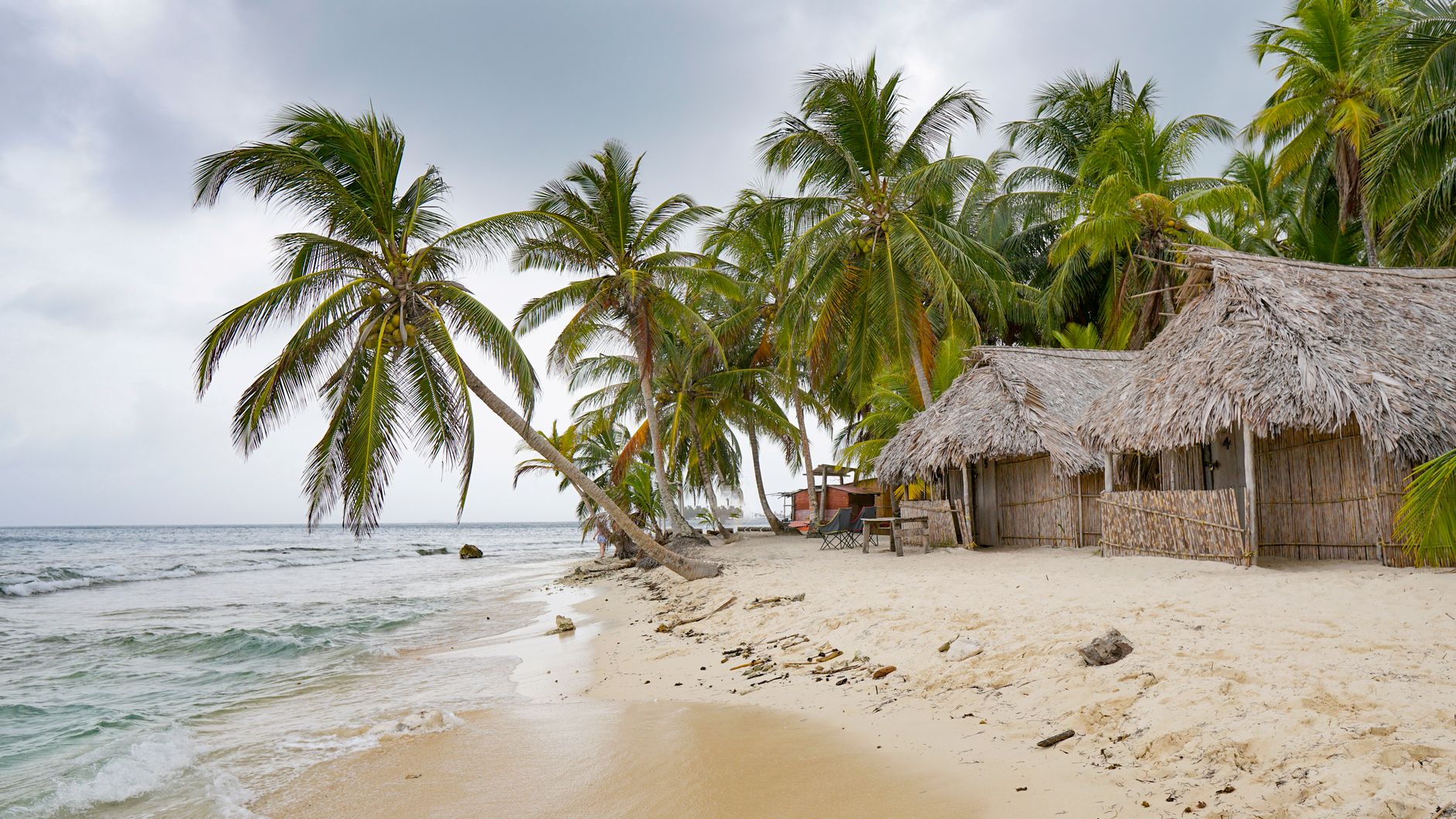
Coronado is not the undeveloped tropical beach paradise of marketing imagination. The town was deliberately planned starting in the 1970s as a coastal getaway for wealthy Panamanian families from the capital, anchored around what is now the Coronado Golf and Beach Club. The original gated development set the template for what followed: residential lots and homes designed for weekend and retirement use, organized around shared amenities, with security and infrastructure from the beginning.
Over the past two decades, that original template expanded. The corridor along the Pan-American Highway from Coronado through Gorgona, Nueva Gorgona, and Punta Barco filled in with additional planned communities, condominium developments, and the supporting commercial infrastructure that comes with a steady inflow of residents: supermarkets, pharmacies, restaurants, banks, and the services that long-term living requires.
What Coronado actually is today is the most developed and most foreign-resident-saturated stretch of Pacific coastal real estate in Panama — and one of the most established retirement destinations for North American buyers anywhere in Latin America outside Costa Rica's coast.
Geographically, Coronado sits on the central Pacific coast of Panama, about 80 kilometers (50 miles) west of Panama City. The drive on the Pan-American Highway takes 60 to 90 minutes depending on traffic. There is no airport in Coronado itself — international arrivals route through Tocumen (PTY) in Panama City.
What Coronado is not: a Caribbean-style beach paradise with turquoise water. The Pacific beach at Coronado is dark volcanic sand, the water is brown-gray, and the surf is consistent but unremarkable. The beach is functional — wide, walkable, accessible — but it doesn't photograph like a Caribbean postcard. The defining feature that separates Coronado from every other Panama beach destination is the level of development: paved roads throughout the planned communities, fiber internet, multiple supermarkets, a golf course, several pharmacies, banks, medical clinics, and the social infrastructure of a town built for full-time living.
- Coronado sits on Panama's central Pacific coast, 80 km / 50 miles west of Panama City — 60–90 min drive
- Planned residential community since the 1970s, anchored by the Coronado Golf and Beach Club
- Population ~5,000–7,000 in Coronado proper, larger across the broader Pacific Riviera corridor
- Pacific beach is dark volcanic sand and brown-gray water — functional but not turquoise Caribbean
- Most developed and most foreign-resident-saturated Pacific coastal area in Panama
- Pensionado-visa retirees, Panama City weekend-home owners, and snowbird residents form the foreign demographic
- No local airport; Tocumen (PTY) is the international hub, 60–90 min away
What Daily Life Looks Like
Daily life in Coronado runs on a different rhythm than Panama City or Boquete — quieter, more residential, more shaped by who lives next door and what time the wind shifts.
The week in Coronado has a strong rhythm. Weekday mornings are quiet — many of the resident population is retired or remote-working, and the town runs at a relaxed pace. Weekends bring a different texture: Panama City families and weekend-home owners arrive Friday evening, the beach fills, restaurants get crowded, and the town operates at maybe twice its weekday scale. Sunday afternoons see the exodus as families head back to the capital. Residents quickly learn to plan grocery runs and social activities around the weekday/weekend divide.
For grocery shopping, the El Rey supermarket on the Pan-American Highway is the main full-service option, comparable to North American mid-range stores. Riba Smith has a smaller location. The El Coronado fish market and several smaller markets offer fresh seafood directly from local fishermen. PriceSmart (the Costco equivalent) is a 45-minute drive toward Panama City.
Banking, pharmacies, and routine services are functional in town. BAC, Banistmo, and Global Bank all have branches with some bilingual staff. The medical clinic handles routine care; serious medical needs route to Panama City.
The daily clock is shaped by heat and wind. Mornings are the most pleasant time for outdoor activity — beach walks, exercise, errands. By 11 AM, the sun and humidity start to push residents indoors. The afternoon trade winds, particularly during dry season, are sustained and can be strong. Evenings cool slightly and outdoor dining is comfortable.
- Weekday/weekend rhythm is dramatic — Coronado roughly doubles in population Friday–Sunday
- El Rey is the main full-service grocery; PriceSmart and Panama City for larger errands
- Banks, pharmacies, basic clinics all functional locally; serious medical care requires Panama City
- Daily clock follows heat — outdoor activity before 11 AM, afternoon trade winds, sunset social hour
- Coronado Golf and Beach Club is the social-recreational anchor for many residents
- Restaurants have typical beach-town hospitality churn; longtime favorites coexist with frequent openings/closings
- Sunday exodus back to Panama City defines the start of every weekday
Climate and Environment
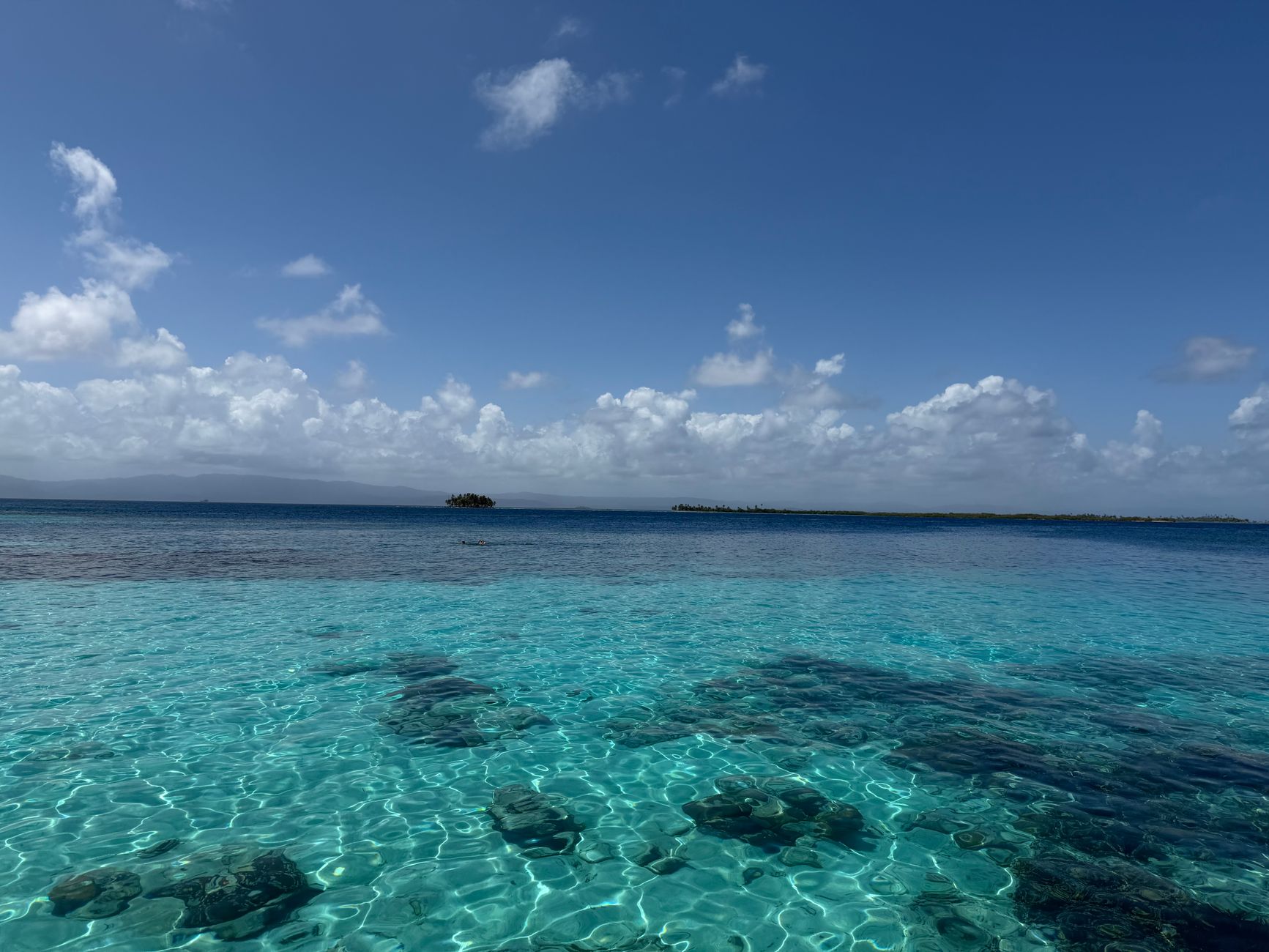
Coronado operates on a tropical dry/wet climate that differs noticeably from both Panama City (more humid year-round) and Boquete (cooler highland). Understanding the seasons is essential to understanding what living here actually means.
The dry season — mid-December through April — is the defining feature for many residents. Sustained northerly trade winds blow consistently. Humidity drops noticeably compared to wet season. The sky is clear and sunny most days.
The wind, however, is significant. The dry-season trade winds can blow at 20–30 mph for weeks at a time, sometimes longer. They affect beach use, outdoor dining, and sleep for residents in exposed homes. Some residents love the constant breeze — it keeps mosquitoes minimal and provides natural cooling. Others struggle with the relentlessness.
The wet season — May through November — brings lighter winds, higher humidity, afternoon rains, and the green explosion that transforms the landscape. Rain comes most afternoons as predictable patterns: clear mornings, building clouds, heavy shower between 2–5 PM, evening clearing. October and November typically have the heaviest rainfall. Mosquitoes increase substantially; dengue is documented in the region.
Year-round temperatures sit between 75°F and 92°F (24–33°C) at sea level. AC is required in any functional indoor space. Coronado sits well outside the Atlantic hurricane belt — direct hurricane strikes do not occur. This is a genuine geographic advantage.
Wildlife is present: iguanas are everywhere, howler monkeys live in the hills behind town, various tropical birds including parrots are common. Snakes including the fer-de-lance can appear in gardens occasionally.
- Two strong seasons: dry (Dec–Apr) with sustained trade winds, wet (May–Nov) with afternoon rains
- Year-round temperatures 75–92°F (24–33°C); AC essential and meaningful electricity cost
- Dry-season trade winds are sustained and intense — defining feature, not a minor weather note
- Outside Atlantic hurricane belt — significant geographic advantage
- Pacific beach is dark volcanic sand, brown-gray water — not turquoise Caribbean
- Wildlife: iguanas, howler monkeys, parrots, occasional snakes; mosquitoes increase in wet season (dengue documented)
- Earthquake risk moderate; lower than most of Central America
Cost of Living Reality
Coronado is more expensive than the typical Panamanian beach town and less expensive than Panama City, with cost structures shaped by the foreign-resident demographic that has built the town's infrastructure.
The dollarized economy is the underlying factor — prices are directly comparable to US prices without currency conversion. Imported goods cost something close to US prices plus shipping. Local goods, services, and labor cost meaningfully less.
Housing varies dramatically by location and zone. A modest one-or-two-bedroom condo in a gated community runs $1,200–2,500 per month for long-term rental, often more for short-term or oceanfront. Single-family homes run $1,500–4,000+ depending on size, location, and amenities.
Buying: $150,000 to $1.5M+ covers the broad foreign-buyer market. Foreigners hold full fee-simple title in Panama — no trust structure required. Transaction costs run 5–7% including legal, registration, and 2% ITBI transfer tax. HOA fees in gated communities range from $100–400 monthly.
Electricity is meaningful. AC-heavy households can run $200–400 USD monthly during the hottest months. Internet through Más Móvil and Cable Onda runs $40–80 monthly. Vehicle ownership is essentially necessary. The Pensionado visa provides qualifying retirees with substantial discounts on transport, utilities, medical care, and various services.
The honest monthly range: modest condo lifestyle with local groceries and limited dining out runs $2,500–3,500 monthly. The full beach-house lifestyle with house ownership, regular dining out, golf club membership, vehicle, and frequent Panama City trips runs $4,500–8,000+ monthly.
- Coronado is more expensive than other Pacific beach towns; meaningful premium for established infrastructure
- Foreign buyers hold full fee-simple title — no trust required
- Long-term rental: $1,200–2,500/month condo, $1,500–4,000+ home; HOA fees $100–400/month in gated communities
- Transaction costs 5–7%; ITBI transfer tax 2%
- Electricity AC-heavy households $200–400/month; fiber internet $40–80
- Vehicle ownership essential for Coronado life
- Pensionado visa significant discounts for qualifying retirees
- Modest lifestyle: $2,500–3,500/month; full lifestyle: $4,500–8,000+
Healthcare Access
Coronado has clinic-level care and routes everything serious to Panama City. Understanding this geography is one of the first things residents learn.
For routine care, the Coronado medical clinic and several smaller clinics handle general practice, common illnesses, minor injuries, and prescription refills. Pharmacies stock most common medications, many of which require prescription in North America but are available over the counter in Panama. Costs for routine visits and medications are dramatically lower than US uninsured rates.
For anything requiring hospital-level care, residents drive to Panama City. The 60–90 minute drive on the Pan-American Highway is the practical commute for any moderately serious medical need. Hospital Punta Pacífica (Johns Hopkins-affiliated) is the premier private hospital and is what most expat residents use for serious procedures, specialist care, and complex medical events.
Some residents subscribe to private ambulance services that guarantee emergency response in the Coronado area with transport to Panama City facilities. This is increasingly common for older residents and those with known cardiac or other conditions.
The public Caja de Seguro Social provides full coverage for legal residents contributing to the system. Most expat residents use private care for routine and moderate needs, with Caja as catastrophic backup. The Pensionado visa provides discounts on medical services that meaningfully reduce costs.
The geographic limitation is real: 60–90 minutes from hospital care is a factor for residents managing chronic conditions, those with mobility limitations, or those who value walking-distance medical access.
- Coronado has clinics for routine care; Panama City (60–90 min) for hospital-level care
- Hospital Punta Pacífica (Johns Hopkins) is the regional premier private hospital
- Private ambulance services available for guaranteed emergency response and transport
- Pharmacies stock most common medications; many US Rx meds available over the counter
- Caja public system available with monthly contributions; private care is primary for expats
- Pensionado visa provides medical service discounts
- Geographic limitation is real — 60–90 minutes to hospital care is a factor for some residents
Getting Around and Getting Out

Inside Coronado, a vehicle is essentially required. The planned communities and the corridor along the Pan-American Highway spread across enough distance that walking and biking, while possible for short trips, are not practical for daily life. Some residents in the original Coronado Beach community manage with golf carts for in-development errands; for everything else, a car.
The Pan-American Highway is the main artery. Paved, reliable, the primary route to Panama City and to points west. The drive to Panama City takes 60–90 minutes depending on traffic, with predictable congestion entering and leaving the capital during rush hour. Corredor Sur is the toll road that brings you into Panama City — $5–10 per round trip.
For getting out beyond Panama City, the relevant airport is Tocumen International (PTY) on the eastern side of Panama City — about 2 hours from Coronado on a regular driving day. Most international arrivals come this way. The Albrook airport in Panama City handles domestic flights to Bocas del Toro, Pedasí, David, and other Panamanian destinations.
Within the immediate region, regular bus service connects Coronado to Panama City and to communities further along the Pacific coast. The bus service is functional, inexpensive, and used by Panamanians and some expats.
Uber is available in Coronado but driver availability is limited compared to Panama City. Many residents develop relationships with specific local taxi drivers they call directly.
- Vehicle essentially required for Coronado daily life
- Pan-American Highway is paved and reliable; Panama City 60–90 min by car
- Tocumen Airport (PTY) is 2 hours away — international travel hub
- Albrook Airport handles domestic Panama flights (Bocas del Toro, David, Pedasí)
- Regular bus service connects to Panama City and Pacific coast communities; functional and inexpensive
- Uber available but limited driver pool; local taxi relationships fill the gap
- Beach access and inland roads vary in quality; some require 4WD in wet season
Community and Social Life
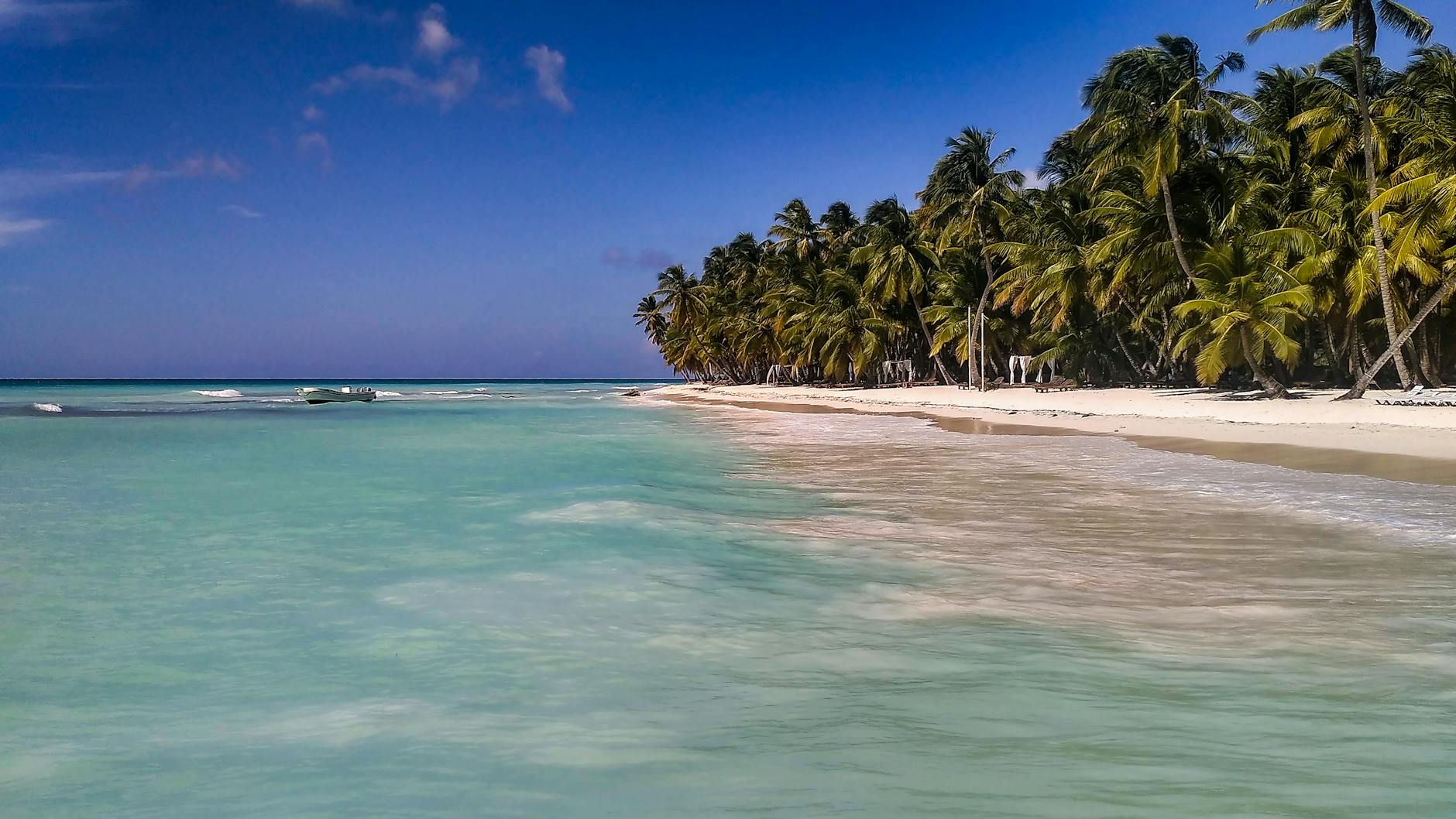
Coronado's community structure is heavily shaped by the foreign-resident demographic and the weekend-vs-weekday rhythm of the town.
The long-standing Panamanian community — local families with deep roots, fishermen, and the working population that supports the broader Pacific Riviera infrastructure — operates somewhat parallel to the foreign-resident world. Spanish fluency is the entry point.
The expat community is established and visible. North American retirees — primarily US and Canadian — make up the largest single foreign group. The Pensionado visa demographic anchors much of this community. Many residents have been here 10–20+ years; significant numbers have arrived in the past five years.
The Panamanian weekend-home community is a distinct layer — wealthy Panamanian families from Panama City who maintain primary residences in the capital and weekend properties in Coronado. They are visible Friday through Sunday and less so during the week.
Common gathering points are clear once you know them. The Coronado Golf and Beach Club is the central social anchor for a meaningful portion of the residential community. Various restaurants have become unofficial meeting spots for specific subgroups. The expat community has its own informal networks, charitable organizations, language exchange groups, and a steady rotation of social events.
Making friends as an adult is easier than most North American cities because of the scale and the shared retirement-or-second-home phase that defines many residents. Spanish proficiency dramatically widens social access beyond the English-speaking expat bubble.
- Multi-layered community: long-standing Panamanian families, established expat retirees, Panama City weekenders, newer arrivals
- Coronado Golf and Beach Club is the central social anchor
- Pensionado visa demographic forms much of the established expat community
- Seasonal/weekly rhythm creates dramatic shifts in town energy
- Catholic parish anchors traditional religious life; multiple evangelical congregations
- Spanish proficiency dramatically widens access beyond expat bubble
Schools and Family Life
Coronado has families, but the educational infrastructure is limited compared to Panama City. Families with school-age children typically choose Coronado understanding these limitations or are willing to commute.
Public schools serve the local Panamanian community in Coronado and adjacent towns in Spanish. Most expat families with children do not use the local public schools as their primary option.
Bilingual private schools in the Coronado area exist but are limited. Coronado Christian Academy and a few smaller schools serve some students with bilingual instruction at the primary level. For more comprehensive primary education, some families commute to schools in Chame, Capira, or further toward Panama City.
For secondary education and any internationally accredited curriculum, Panama City is the practical destination. The 90+ minute one-way drive is the limiting factor. Some families relocate within Panama for school years; others use distance learning or homeschool options.
Activities for children: surf lessons, golf and tennis at the country club, beach time, swim lessons, soccer, and the outdoor activities a coastal climate supports. The structured extracurricular options are limited compared to Panama City.
Touring schools in person before committing is strongly recommended. Several families have moved to Coronado expecting school infrastructure that didn't match their needs and ended up moving to Panama City within a year or two.
- Local bilingual schools limited; primary-level options like Coronado Christian Academy exist
- Internationally accredited secondary schools require Panama City commute or relocation
- Public schools available locally; Spanish-language instruction
- Pediatric specialists in Panama City; routine pediatric care in Coronado
- Outdoor childhood available — beach, golf, pool, surf — but structured activities limited
- Touring schools in person before committing strongly recommended
- Families with significant educational needs often relocate to Costa del Este or commute
Working and Income
Coronado works well for retirees and remote workers, modestly for entrepreneurs in a saturated local market, and minimally for those seeking local employment in the Panamanian economy.
For Pensionado-eligible retirees, Coronado is purpose-built. The visa structure, the demographic alignment, the supporting infrastructure, the climate, and the cost of living all work together for foreign retirees with pension income.
For remote workers, internet infrastructure has improved meaningfully. Fiber service through Más Móvil and Cable Onda is reliable in most of the planned communities and along the Pan-American corridor. Time zone is UTC-5 year-round (no DST), permanently aligned with US Eastern Standard Time. This is significant for North American remote work and consulting.
For local employment, options are limited and pay reflects the Panamanian economy. Tourism, hospitality, real estate, and property management are the main local categories.
Entrepreneurship is challenging. The restaurant and hospitality scene is saturated. Property management for foreign owners is a genuine niche with sustained demand — many residents own properties they rent short-term and need management services. Vacation rental income exists but the market is competitive — conservative underwriting is essential.
Panama's territorial tax system means foreign-source income is generally not taxed by Panama for residents. This is significant for retirees with US Social Security or other foreign pension income, and for remote workers earning income from foreign employers.
- Pensionado visa retirees are Coronado's primary demographic — town infrastructure built around this
- Remote work viable with reliable fiber; time zone aligned with US Eastern Standard
- Coworking limited; many residents use home, cafes, or golf club
- Local employment limited and pays Panamanian economy wages
- Entrepreneurship challenging; restaurant/hospitality saturated; property management is a sustained niche
- Vacation rental market competitive; conservative underwriting essential
- Territorial tax system: foreign-source income generally not taxed by Panama for residents
Safety and Honest Concerns
Coronado is among the safer places in Panama for foreign residents, but the safety landscape is more nuanced than either marketing or sensationalism captures.
Petty crime is the most common issue. Theft from unsecured properties, opportunistic break-ins, and theft from vehicles all happen. The dramatic seasonal swing in town population means that empty vacation homes during wet season can become targets. Standard precautions — locking doors, installing basic alarm systems, securing valuables — substantially reduce these risks. Gated communities offer significant additional protection.
Violent crime is uncommon. Coronado is not in a drug-trafficking corridor and does not have the kind of underground economy that drives violent crime in some Latin American beach destinations.
Beach safety: the Pacific surf at Coronado is generally moderate, not the dangerous rip-tide conditions of some Pacific beaches. However, the brown-gray water makes rescue and visibility difficult if someone gets into trouble. Basic ocean awareness and not swimming alone are essential.
The seasonal vacation-home dynamic creates specific risks. Properties left empty for weeks or months become more attractive targets. Property managers, security services, and house-sitting arrangements address this.
Wildlife considerations: iguanas are everywhere (not dangerous); howler monkeys live in nearby hills; snakes including the fer-de-lance can appear in gardens (uncommon but real); crocodiles live in some rivers and estuaries in the region (not in Coronado town itself).
The geographic distance from emergency medical care (60–90 minutes to Panama City hospitals) is the most consequential safety consideration for older residents and those managing chronic conditions.
- Petty crime (property theft from unsecured properties) is the most common issue
- Violent crime is uncommon; Coronado is not in trafficking corridors
- Empty vacation homes during wet season can become targets; active property management addresses this
- Beach safety: surf moderate but brown-gray water makes rescue difficult; ocean awareness essential
- Wildlife present but rarely dangerous; fer-de-lance snakes occasionally appear in gardens
- Construction quality varies; independent inspection on every purchase is essential
- 60–90 minute distance from major medical care is the most consequential safety consideration
The Hard Truths
This is where the marketing language stops. Reading this section before committing is better than discovering it afterward.
The Pacific beach is not what people imagine. The dark volcanic sand and brown-gray water of Coronado consistently surprise newcomers expecting Caribbean turquoise. People who arrive primarily for the beach are often disappointed; those who arrive understanding that they're choosing infrastructure, climate, and community over a photogenic beach tend to adjust.
Dry-season trade winds are sustained and intense. The constant wind affects beach use, outdoor dining, sleep, and general daily life in ways that newcomers don't anticipate from dry-season marketing photos. Spending a full dry season in Coronado before committing is one of the better investments a prospective buyer can make.
Coronado's expat-driven economy creates an English-speaking bubble. The infrastructure makes life without Spanish more sustainable than in most of Panama. This is comfortable but limits integration. Many long-term residents who don't speak Spanish report a smaller, more isolated experience than those who do.
The seasonal rhythm has hidden costs. The weekday quiet that some residents love is also weekend traffic, restaurants packed Friday–Sunday, and beach crowded on weekends. The wet-season exodus of many residents makes parts of the year feel emptier than expected.
Distance from Panama City is meaningful. 60–90 minutes each way for hospital care, specialist appointments, major shopping, or government bureaucracy. Most residents accept this distance; some find it more limiting than they expected.
Construction quality varies dramatically. Marketing photos make properties look uniformly nice. The salt-air coastal climate is hard on construction continuously. Maintenance costs are higher than dry climates.
HOA fees in gated communities are real ongoing costs. They are not optional and they increase over time. Understanding HOA financial health before purchasing is essential.
First-year adjustment is common. Those who get through 18–24 months tend to stay. Those who don't tend to leave.
- Pacific beach is dark volcanic sand and brown-gray water — not Caribbean turquoise
- Dry-season trade winds are sustained and intense — defining feature for daily life
- English-speaking infrastructure makes Spanish feel optional; full integration requires Spanish
- Weekend/weekday rhythm has surprising implications for noise, traffic, social density
- 60–90 minutes from Panama City for hospital, specialists, major shopping
- Construction quality varies widely; independent inspection essential
- HOA fees real and increasing; HOA financial health worth investigating before purchase
- Bureaucracy is real; Pensionado visa 6–12 months; local attorney is normal expense
- First-year adjustment significant; spending a full dry season before committing is wise
Frequently Asked Questions About Living in Coronado
Is Coronado safe for foreigners to live in?
Coronado is among the safer places in Panama for foreign residents. Petty property crime is the most common issue, particularly with empty vacation homes during wet season. Violent crime is uncommon. Standard precautions and gated community security address most realistic risks.
How much does it cost to live in Coronado?
Modest condo lifestyle with local groceries and limited dining out runs $2,500–3,500 monthly. The full beach-house lifestyle with house ownership, regular dining, golf club membership, and frequent Panama City trips runs $4,500–8,000+. Coronado commands a premium over other Pacific beach towns for established infrastructure.
Do I need to speak Spanish to live in Coronado?
You can function in Coronado with English alone — the expat infrastructure is well-developed. You cannot fully live there without Spanish. Real friendships with Panamanians, access to non-tourist services, banking, and government interactions all benefit dramatically from Spanish proficiency.
What is the best time of year to visit Coronado?
Dry season (December through April) brings sunshine and the trade winds. Wet season (May through November) brings afternoon rains and the green explosion. The trade winds during dry season are sustained and worth experiencing before committing to a purchase.
Quick Reference: Coronado At a Glance
- Province
- Panamá Oeste
- Region
- Pacific Beaches / Central Coast
- Time Zone
- UTC-5 (EST, no DST)
- Airports
- PTY (Tocumen, international) · PAC (Albrook, domestic)
- Foreign Ownership
- Full fee-simple title
- Peak Season
- December – April
- Language
- Spanish (English widely spoken in expat community)
Getting There
International arrivals route through Tocumen International Airport (PTY) in Panama City. From Tocumen, the drive to Coronado on the Pan-American Highway takes 2 hours. From central Panama City, the drive is 60–90 minutes. No local airport in Coronado. Albrook Airport handles domestic flights to Bocas del Toro, Pedasí, and David.
Real Estate Overview
Coronado offers Panama's most developed and most foreign-resident-saturated Pacific coastal real estate market. Range spans modest condos in gated communities ($150K–300K), single-family homes with land ($300K–800K), oceanfront condos and homes ($500K–1.5M+), and luxury estates. Foreign buyers hold full fee-simple title. The Pensionado visa demographic drives much of the buyer pool. The market has matured since the early 2000s; recent years have shown softer pricing in some segments.
What Works
- Most established Pacific beach community in Panama with infrastructure for retirees and remote workers
- Pensionado visa makes residency straightforward for foreign retirees with pension income
- Coronado Golf and Beach Club provides social and recreational anchor
- 60–90 minutes from Panama City and Hospital Punta Pacífica
- Outside Atlantic hurricane belt — significant geographic advantage
What to Consider
- Pacific beach is dark volcanic sand and brown-gray water, not Caribbean turquoise
- Dry-season trade winds are sustained and intense — defining feature of daily life
- 60–90 minutes from major medical care and Panama City shopping
- Educational infrastructure beyond primary level requires Panama City commute or relocation
- Empty vacation homes during wet season can become petty crime targets
Practical Notes
Choosing Coronado means choosing the broader Pacific Riviera as your regional home — most residents move freely between Coronado, San Carlos, Gorgona, Punta Barco, and the surrounding communities. Regular trips to Panama City for medical, shopping, and bureaucracy are part of normal life. The Pensionado visa is the right structure for most foreign retirees and is worth understanding before committing. Spanish acceleration is the most reliable predictor of long-term satisfaction. Spending a full dry season in Coronado before committing to purchase is one of the better investments a prospective buyer can make — the trade winds are easier to experience than to describe. Budget for HOA fees, vehicle ownership, vacation-home property management if applicable, and the kind of property maintenance that the coastal climate requires. Give yourself two full years before judging whether Coronado is the right place — first-year impressions, in either direction, tend to be unreliable.
Explore Coronado Listings
Coronado Beach Condos | Coronado Homes | All Coronado Property
Nearby Areas
Related Coronado Resources
Coronado Market Hub — Browse Listings | San Carlos Market Hub | Coronado Panama for Retirees and Weekend Home Buyers | Beach Towns Near Panama City | Best Places to Retire in Panama | Panama Beach Property for Vacation Rental Investors | Panama City Living Guide | David Living Guide — Western Panama's Regional Capital | Pedasí Living Guide — Azuero Peninsula Slow-Coast | San Carlos Living Guide — Pacific Riviera Affordable Alternative | Playa Blanca Living Guide — Pacific Riviera Vacation Rental Alternative | Buenaventura Living Guide — Pacific Riviera Luxury Resort | Gorgona Living Guide — Pacific Riviera Closest to Panama City