What Is Life in Chitré, Panama Like?
Herrera

Chitré is the practical commercial anchor of central Panama. A working Panamanian city of about 50,000 people serving as the capital of Herrera province and the regional commercial hub for the broader Azuero Peninsula and surrounding agricultural regions. Hospital General de Chitré is the largest hospital between Panama City and David, making this one of Panama's most healthcare-accessible smaller cities. The foreign-resident community is small but established, and the people who choose Chitré are typically choosing practical infrastructure at a lower cost — not beach access or expat-community life.
What Chitré Actually Is

Chitré is the capital of Herrera province and the largest city in the broader central Panama region between Penonomé and Santiago. The city is a working Panamanian commercial center — significantly different from the foreign-resident-focused destinations covered earlier in this series and meaningfully different from the cultural-anchor character of Las Tablas just to the south.
The geography is straightforward. Chitré sits in central Panama in Herrera province, approximately 3.5 hours by car from Panama City via the Pan-American Highway. The drive routes through Penonomé and the broader central Panama agricultural region before reaching Chitré. The city has grown well beyond its colonial origins and now serves as the practical anchor for the broader Azuero Peninsula.
The economic base is functional regional commerce. Chitré serves as the commercial hub for the broader Azuero Peninsula (Los Santos and Herrera provinces) and connects to surrounding agricultural regions in Coclé and Veraguas. The agricultural economy of the broader region — cattle ranching, dairy, sugar cane, fruit production, and various crops — drives much of the commercial activity. The provincial government and regional offices employ significant numbers. The hospital and associated healthcare sector is a major employer.
The original Spanish colonial settlement dates from the late 16th century. The city has been a regional commercial anchor for centuries, though the modern Chitré has grown dramatically beyond its colonial origins.
The residential population is approximately 50,000 in the city proper. The broader Herrera province population is approximately 110,000. Chitré is meaningfully larger than Las Tablas (9,000), Pedasí (3,500), or any other Azuero destination. This is genuine Panamanian small-city scale.
The foreign-resident community is small but established — estimated at 300-700 across Chitré and immediately surrounding areas. The community is varied: foreign retirees seeking practical city access and healthcare proximity; some remote workers attracted by the cost-of-living advantage; foreign professionals in healthcare, education, or business; and various long-term residents who have settled into Chitré specifically for the working-city rhythm.
The defining feature that separates Chitré from any other Panama destination covered so far is the practical regional commercial infrastructure combined with the healthcare access. This is a real working Panamanian city with hospitals, banks, retail, commercial services, and broader urban infrastructure — but at a smaller scale than Panama City. What Chitré is not: a tourism destination, a beach city, a cultural-immersion-focused destination, or somewhere with significant English-speaking foreign infrastructure.
- Chitré is the capital of Herrera province and largest city in central Panama
- Population ~50,000; broader Herrera province ~110,000
- 3.5 hours from Panama City via Pan-American Highway
- Working Panamanian commercial center; not foreign-resident-focused
- Hospital General de Chitré is largest between Panama City and David
- Foreign-resident community ~300-700 (small but established)
- Regional commercial hub for Azuero Peninsula and surrounding agricultural areas
- Spanish colonial settlement dating from late 16th century; modern city grown over 50+ years
What Daily Life Looks Like
Daily life in Chitré runs on Panamanian working-city rhythms — different from the Las Tablas working-town rhythm, different from the foreign-resident-focused rhythms of Pedasí or Playa Venao, and meaningfully different from the urban Panama City pace.
Mornings start early. The commercial day begins by 7 AM. Banks open, government offices, schools, the hospital, retail, and the various businesses that drive the regional economy all activate. The early morning hours are bustling — traffic, pedestrians, school buses, and the working-city energy that defines Chitré.
The weekday rhythm follows traditional Panamanian commercial-city patterns. Most commercial activity runs through 12 PM, with many businesses observing the traditional midday break from 12-2 PM, then resuming through 5-6 PM.
Midday is hot. Central Panama lowland heat — year-round 86-93°F (30-34°C) with significant humidity. AC is essential. Most modern homes and commercial buildings have functional cooling.
Evenings are family-and-community centered, with a more active urban dimension than smaller destinations offer. Several restaurants and small businesses operate evening hours. The central plaza serves as community gathering space. The pace is calmer than Panama City but distinctly more active than Las Tablas or Pedasí.
For grocery shopping, Chitré has full-service supermarket infrastructure — Super 99, El Rey, Súper Carnes, and several large supermarkets handle most needs. Banking is established — multiple Panamanian banks (BAC, Banco Nacional, Banistmo, Banco General) have branches in Chitré.
Internet is excellent for a Panamanian regional city. Fiber service through Más Móvil, Cable Onda, and Tigo provides reliable high-speed connectivity.
Weekend patterns are distinctly Panamanian. Saturday is active commercial and family life. Sunday is the major day for family, church, and slower-paced community. Many commercial businesses close or reduce hours on Sunday.
- Working-city rhythms; commercial activity bustling 7 AM through evening
- Traditional Panamanian midday break (12-2 PM) common
- Year-round 86-93°F (30-34°C); AC essential indoors
- Full-service supermarket infrastructure — Super 99, El Rey, Súper Carnes
- Multiple banks and full pharmacy infrastructure
- Excellent fiber internet
- Sunday is family-and-church-centered; many businesses closed
- Regional cultural calendar includes Carnaval period and various festivals
Climate and Environment

Chitré operates on a Pacific tropical lowland climate — year-round heat and humidity with two distinct seasons.
Year-round daytime temperatures sit between 86°F and 93°F (30-34°C). The variation is narrow. Humidity is high year-round, somewhat moderated by Pacific trade winds during certain conditions.
The two seasons are clear. Dry season runs December through April. Trade winds blow consistently from the Pacific and can be substantial during peak weeks. Days are sunny; rain is rare.
Wet season runs May through November. Rain comes most afternoons in predictable patterns: clear mornings, building clouds, heavy showers between 2-5 PM, evening clearing. October and November typically have the heaviest rainfall. Mosquitoes increase substantially; dengue is documented.
Chitré sits well outside the Atlantic hurricane belt. Direct hurricane strikes do not occur. Significant geographic advantage.
The Pacific Ocean at the nearest beach (about 30-45 minutes south at Playa El Aguillito or further at Pedasí Pacific beaches) is warm year-round. Chitré itself is inland from the coast; properties don't have direct ocean access. The landscape around Chitré is dominated by agricultural countryside — cattle ranching, sugar cane operations, fruit production, dairy operations, and the broader Azuero and central Panama agricultural patterns.
The Sarigua National Park lies a short drive east — a unique Panamanian desert ecosystem that contrasts with the typical tropical landscape. Worth visiting; one of Panama's distinctive natural features.
Air quality is generally good for a Panamanian city. Vehicle emissions and the larger urban scale affect local air quality but the baseline is meaningfully cleaner than urban Panama City.
- Year-round 86-93°F (30-34°C); high humidity moderated by Pacific trade winds
- Two seasons: dry (Dec-Apr); wet (May-Nov) with afternoon rains
- Outside Atlantic hurricane belt — geographic advantage
- Inland from coast; Pacific beach access 30-45 minutes south
- Agricultural landscape dominates surrounding region
- Sarigua National Park (desert ecosystem) accessible nearby
- Mosquitoes and dengue present in wet season
- Air quality generally good for a Panamanian city
Cost of Living Reality
Chitré offers Panama's strongest value proposition for foreign residents seeking real Panamanian city infrastructure at low cost. The cost structure runs meaningfully below Panama City and below most established foreign-resident destinations, with the practical city infrastructure that smaller destinations cannot match.
Housing varies significantly by zone and type. A modest one-or-two-bedroom apartment in Chitré runs $400-800 per month for long-term rental. Furnished or renovated units run $600-1,200+. Single-family Panamanian-style homes range from $700-2,000 depending on size, condition, and location.
Buying property: $60,000 to $500,000+ covers a wide range. Modest in-town homes start below $80,000. Mid-range single-family homes run $100,000-250,000. Higher-end properties in better zones run $200,000-400,000.
Foreigners hold full fee-simple title in Panama — no trust structure required. Transaction costs run 5-7% including legal, registration, and 2% ITBI transfer tax. HOA fees are essentially non-existent in most Chitré residential — the traditional Panamanian residential pattern doesn't include condominium-style developments with HOA structures common in expat destinations.
Electricity is meaningful for AC-heavy properties — $100-300+ monthly during peak heat. Internet runs $35-80 monthly for fiber service.
Restaurants and dining: Local Panamanian sodas serve full meals for $4-7. Mid-tier restaurants run $8-15 per person. The combination of fewer expensive dining options and abundant inexpensive Panamanian options keeps food costs low.
Vacation rental market is essentially absent. Chitré is not a tourism destination. Properties function as primary residences.
The honest monthly range: modest lifestyle runs $1,000-1,600 monthly. Comfortable lifestyle with a Panamanian-style home, regular dining, vehicle, and full participation runs $1,600-3,000. The full premium-property lifestyle runs $2,500-4,500+.
- Strongest value proposition among Panamanian working cities for foreign residents
- Apartment rentals $400-1,200+; homes $700-2,000+
- Buying range: $60K modest in-town to $500K+ premium properties
- Foreign buyers hold full fee-simple title; transaction costs 5-7%
- HOA fees essentially non-existent in most residential properties
- Vacation rental market absent; properties function as primary residences
- Pensionado visa benefits go further than expat-developed destinations
- Realistic monthly floor: $1,000-1,600; comfortable: $1,600-3,000; premium: $2,500-4,500+
Healthcare Access
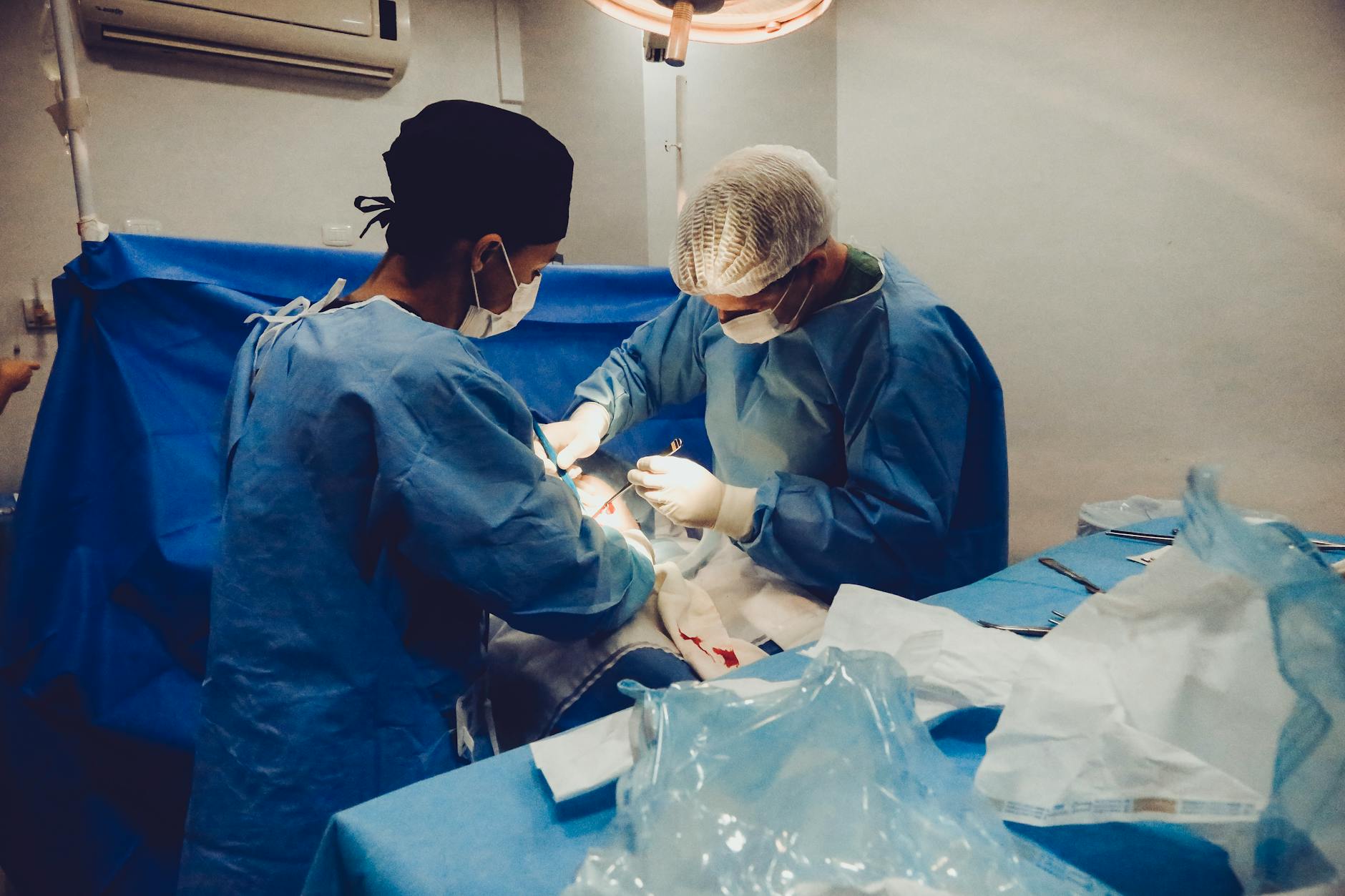
Chitré has the best healthcare infrastructure of any Panama destination outside Panama City and David. This is the single strongest practical advantage of Chitré as a foreign-resident destination.
Hospital General de Chitré is the largest hospital in central Panama between Panama City and David. The facility handles comprehensive medical care including most surgical procedures, emergency care, intensive care, multiple specialist departments, and the broader hospital functions that serve the regional population. The hospital serves both Caja public patients and private patients.
Hospital Aquilino Tejeira is another significant Chitré medical facility, primarily Caja-system, serving substantial population.
Multiple private clinics in Chitré handle routine and many specialist needs. The combination of regional hospital scale and private clinic infrastructure means Chitré supports most medical needs locally — meaningfully different from most smaller Panama destinations.
For complex specialist care that exceeds Chitré capabilities, Panama City is the destination — 3.5 hours by car. Hospital Punta Pacífica (Johns Hopkins-affiliated) is the regional premier private hospital.
Pharmacies in Chitré are extensive. Farmacia Arrocha, Farmacia Metro chains plus numerous independent pharmacies handle most routine medication needs.
Specialty care including cardiology, oncology, orthopedics, and various surgical specialties is available at the regional hospital with appointment scheduling. Dental care: routine and many advanced services available locally.
The honest assessment: Chitré's healthcare access is meaningfully better than other Panama destinations outside Panama City and David. For most healthcare needs at most life phases, the local hospital and clinics handle care without requiring travel to Panama City. This is one of Chitré's defining practical advantages over Pedasí, Playa Venao, Santa Catalina, or other smaller destinations — none of those have comparable regional hospital infrastructure.
- Hospital General de Chitré is largest in central Panama outside Panama City and David
- Comprehensive surgical, emergency, intensive care, multiple specialist departments
- Hospital Aquilino Tejeira (Caja) provides additional infrastructure
- Multiple private clinics handle routine and specialist needs
- Panama City (3.5 hours) for complex care exceeding regional capabilities
- Pharmacies extensive; most needs locally handled
- Caja public system available; Pensionado visa benefits apply
- Best healthcare access in Panama outside Panama City and David
- Single strongest practical advantage over smaller destinations
Getting Around and Getting Out
Within Chitré, the city center is walkable. The traditional Spanish colonial plaza pattern combined with the broader commercial development means the central area can be navigated on foot for many daily needs. The commercial streets, banks, restaurants, and government offices are concentrated within a walkable area.
For most life beyond the immediate city center — outer neighborhoods, surrounding villages, agricultural areas, and broader regional access — a vehicle is essential. Public bus service operates within the city and to nearby destinations.
Road network: The Pan-American Highway connection from Divisa is paved and in good condition. The Azuero highway south from Chitré toward Las Tablas, Pedasí, and Playa Venao is well-maintained.
For commuting and travel between Chitré and surrounding destinations: - Las Tablas: 45 minutes south - Pedasí: 1.5 hours south - Playa Venao: 2 hours south - Panama City: 3.5 hours east - Santiago: 1.5 hours west - Penonomé: 1 hour east
For international travel, Tocumen International (PTY) is 3.5 hours by car — total transit to international flights is approximately 4 hours. The Chitré Airport (CTD) handles limited small-aircraft service via Air Panama, providing a faster alternative for some travelers.
Regional bus service connects Chitré to Panama City, David, Las Tablas, Pedasí, and surrounding destinations. Multiple daily departures to Panama City take 3.5-4 hours.
Within Chitré, taxis are abundant and reasonably priced. Uber operates in Chitré with reasonable driver availability — significantly more functional than at smaller Azuero destinations.
- City center walkable; full commercial area within walking distance
- Vehicle essential for life beyond city center
- Las Tablas 45 min south; Pedasí 1.5 hours; Playa Venao 2 hours
- Panama City 3.5 hours east; Santiago 1.5 hours west
- Tocumen International approximately 4 hours total transit time
- Air Panama domestic service from Chitré Airport (CTD)
- Abundant Uber, taxis, regional bus service
- Better connected than smaller Azuero destinations
Community and Social Life

Chitré's community is fundamentally Panamanian working-class and middle-class, with a small but established foreign-resident community integrated into rather than separated from the broader Panamanian community.
The Panamanian community is dominant — multi-generational Herrerano families with roots in agriculture, regional commerce, government service, healthcare, and the broader Panamanian working-class and middle-class. The Catholic parish, the various schools, the regional government and economic structures all anchor distinct but overlapping social patterns.
The cultural identity is 'Interiorano' — the cultural patterns of the Panamanian interior, particularly central Panama and the broader Azuero region. The Carnaval celebration in Chitré is real but smaller and less famous than Las Tablas Carnaval. Many Chitré residents travel to Las Tablas for the bigger celebration.
The foreign-resident community is small but established. Estimated at 300-700 across Chitré and immediately surrounding areas. The community is varied: foreign retirees seeking practical city access and healthcare proximity; remote workers attracted by lower costs and city infrastructure; foreign professionals; various longer-term residents who have integrated into the broader Panamanian community.
The foreign community has integrated rather than separated from the broader Panamanian community. Most long-term foreign residents have developed functional Spanish and have relationships with Panamanian neighbors and colleagues.
Common gathering points are clear. The central plaza for evening social life. Several restaurants and cafes function as community meeting spots. The hospital and broader healthcare community provides specific social networks.
Making friends as an adult: more accessible than authentic small-town destinations because of the larger population, but still requires Spanish proficiency. The professional and educational networks in Chitré provide entry points.
- Working-class and middle-class Panamanian community dominant
- Multi-generational Herrerano families with regional roots
- Catholic parish anchors traditional religious life
- 'Interiorano' cultural identity (central Panama interior)
- Carnaval smaller than Las Tablas; many residents travel south for the bigger celebration
- Foreign-resident community small (300-700); integrated rather than separated
- English-only daily life functional for tourism but limiting for residence
- Practical urban functionality with cultural depth
Schools and Family Life
Chitré has families and provides educational infrastructure that is functional for Panamanian standards and better than most smaller Panama destinations.
Public schools serve the local Panamanian community throughout Chitré and surrounding villages in Spanish. The provincial capital status means more public school options than smaller destinations.
Multiple private schools in Chitré serve Panamanian wealthy and middle-class families — Catholic schools and several bilingual private schools. The bilingual school infrastructure is more developed than at smaller Azuero destinations though still limited compared to Panama City premier schools. For internationally accredited curriculum (IB, US-accredited), Panama City is required.
Many foreign families with school-age children who choose central Panama for primary residence consider Chitré specifically because the bilingual private school infrastructure provides more options than smaller destinations and the cost of living is dramatically lower than Panama City.
Pediatric healthcare is excellent locally — the regional hospital and various private clinics handle most pediatric needs without requiring travel to Panama City. This is one of Chitré's strongest practical advantages for foreign families.
Activities for children: sports leagues (more developed than smaller destinations), music and arts programs at limited scale, the broader cultural calendar, beach trips (30-45 minutes south), and exposure to traditional Panamanian community life. The Sarigua National Park provides educational nature access.
For families willing to use Spanish-language or bilingual private schools and to integrate into Panamanian community life, Chitré can work. For families requiring internationally accredited curriculum, Costa del Este (Panama City) is the practical alternative.
- Public schools in Spanish; quality reasonable by regional standards
- Multiple private schools including bilingual options (more than smaller destinations)
- Internationally accredited curriculum requires Panama City
- Pediatric healthcare excellent locally — strongest practical advantage for foreign families
- Sports leagues and broader cultural activities more developed than smaller destinations
- Some structured activities oriented to foreign families
- Most school-age foreign families requiring IB/US-accredited curriculum choose Costa del Este
Working and Income

Chitré works for foreign retirees with pension income, for remote workers with stable internet, for foreign professionals in healthcare, education, or business, and for entrepreneurs serving the Panamanian regional economy.
For foreign retirees, the Pensionado visa applies the same as anywhere in Panama. The lower cost of basic living, the regional healthcare access, and the practical city infrastructure attract retirees specifically seeking practical Panamanian small-city retirement rather than expat-community or beach-resort retirement.
For remote workers, internet infrastructure is excellent. Fiber service through Más Móvil, Cable Onda, and Tigo provides reliable high-speed connectivity. Time zone is UTC-5 year-round (no DST), aligned with US Eastern Standard Time. Coworking spaces in Chitré are limited — most remote workers operate from home offices.
For foreign professionals, the regional hospital provides some employment opportunities for qualifying foreign healthcare workers (with Panamanian credentialing requirements). The various educational institutions provide some employment opportunities.
For entrepreneurs serving the Panamanian market, Chitré offers a substantial regional commercial market. Some foreign residents have built sustainable businesses in restaurants, retail, services, real estate brokerage, and other sectors serving the regional Panamanian economy.
The agricultural economy of the broader Herrera and central Panama region provides opportunities for foreign investors in cattle, dairy, fruit production, and various agricultural sectors.
Territorial tax system: foreign-source income is generally not taxed by Panama for residents.
- Pensionado visa applies; lower base costs make benefits go further
- Remote work fully viable with reliable fiber; UTC-5 aligned with US Eastern Standard
- Coworking limited; home office is typical
- Foreign professionals in healthcare/education with appropriate credentialing
- Entrepreneurship serving Panamanian regional market operates at meaningful scale
- Agricultural investment opportunities in broader region
- Friendly Nations and Qualified Investor visas align with property purchases
- Territorial tax: foreign-source income generally not taxed by Panama for residents
Safety and Honest Concerns
Chitré is among the safer Panamanian cities. The combination of working-city community fabric, provincial capital stability, and the broader Herrera regional dynamics produces a generally safe environment.
Violent crime is uncommon. Chitré is not in any major trafficking corridor. The community fabric and the regional economy provide stability that produces a relatively safe environment for both Panamanians and foreign residents.
Petty crime is the most common concern. Property theft, opportunistic break-ins (particularly with vacant or unsecured properties), and theft from vehicles all happen. The urban scale means somewhat more petty crime opportunity than smaller Panama destinations. Active property security, secured residences, and trusted local relationships reduce risks substantially.
Pickpocketing and opportunistic petty crime occur in commercial and crowded areas. Standard urban precautions apply.
Carnaval period creates some seasonal security considerations as the population swells with visitors.
Weather hazards: heavy wet-season rains can produce localized flooding on lower-lying properties.
Construction quality varies. Modern construction in newer developments meets reasonable Panamanian standards; older traditional Panamanian construction varies. Independent inspection on any purchase is essential.
The healthcare proximity is itself a meaningful safety advantage — emergency response time is among the best of any non-Panama-City Panama destination.
Earthquake risk: moderate. Hurricane risk: outside Atlantic hurricane belt — geographic advantage.
- Among the safer Panamanian cities
- Petty crime more common than in smaller destinations due to urban scale
- Active property security important
- Carnaval period creates some seasonal considerations
- Standard urban precautions in commercial and crowded areas
- Construction quality varies; independent inspection essential
- Outside hurricane belt; earthquake risk moderate
- Healthcare proximity is meaningful safety advantage
The Hard Truths

This is where the marketing language stops. Chitré has been described in foreign-resident marketing as 'Panama's best-kept secret' or as 'affordable Panama City alternative' — both framings have real elements and important distortions.
The 'Panama's best-kept secret' framing oversells the lifestyle distinctiveness. Chitré is genuinely affordable and offers good healthcare, but it is not a hidden paradise. It is a working Panamanian city — and that's the value proposition for the right buyer, not a hidden treasure.
The Spanish proficiency requirement is essentially non-negotiable. The English-speaking foreign-resident infrastructure is small. Most daily life — banking, medical care, government interactions, shopping, professional engagement — happens in Spanish. Foreign residents who arrive without Spanish or without commitment to developing Spanish find Chitré dramatically more limiting than they expected.
The cultural fit matters. Chitré is genuinely traditional Panamanian working-city. The pace, the rhythms, the religious-cultural anchors, and the working-class-and-middle-class character may not align with all foreign-resident preferences. Some foreign residents from less traditional or more cosmopolitan backgrounds find the cultural conservatism limiting.
The infrastructure is functional Panamanian-city but limited compared to Panama City standards. Specialty groceries, specialty services, foreign-oriented amenities, and various comforts that exist in Panama City or expat-developed destinations are more limited in Chitré.
Healthcare is excellent for regional standards but is still not Panama City premier care. Complex conditions still require the 3.5-hour drive. The healthcare advantage of Chitré is real but should be evaluated against actual medical needs.
The foreign-resident community size means smaller ready-made social structures than expat-developed destinations. In a 300-700 person foreign community spread across a 50,000-person city, the community is real but less central than at expat-developed destinations.
First-year adjustment is significant. The combination of Spanish proficiency requirements, cultural integration, urban-functional reality, and the broader Panamanian-city dynamics all test new residents. Those who get through 18-24 months typically settle in well.
- 'Panama's best-kept secret' framing oversells; Chitré is working Panamanian city, not hidden paradise
- Spanish proficiency essentially required; English-only is meaningfully limited
- Cultural fit matters; traditional working-city character may not align with all preferences
- Economic limitations of regional Panamanian economy
- Infrastructure functional Panamanian-city but limited compared to Panama City
- Urban-scale traffic and commercial pace
- Las Tablas social/cultural split creates regional pattern
- Healthcare excellent for region but not Panama City premier
- Foreign-resident community size limits ready-made social structures
- Investment economics different from beach or developed destinations
- Construction quality varies
- First-year adjustment significant
- Growth trajectory moderate; gradual modernization
- Success requires Spanish, working-city values, practical-infrastructure appreciation, community engagement
Frequently Asked Questions About Living in Chitré
Is Chitré safe for foreigners to live in?
Chitré is among the safer Panamanian cities. Petty property crime is the most common concern; violent crime is uncommon. Standard urban precautions and active property security address most realistic risks.
How much does it cost to live in Chitré?
Modest lifestyle with apartment, local groceries, and basic Panamanian dining runs $1,000-1,600 monthly. Comfortable lifestyle with a Panamanian-style home, regular dining, vehicle, and full participation runs $1,600-3,000. Premium-property lifestyle runs $2,500-4,500+. Meaningfully cheaper than Panama City and most foreign-resident destinations.
Do I need to speak Spanish to live in Chitré?
Yes. The English-speaking foreign-resident infrastructure is small. Real friendships with Panamanians, banking, medical care, government processes, and meaningful daily life require Spanish proficiency. Chitré is not a destination for English-only foreign residents.
What is the best time of year to visit Chitré?
Dry season (December through April) brings sunshine and Pacific trade winds. Carnaval (February/March) brings the most active cultural celebration period — though Las Tablas Carnaval (45 minutes south) is the more famous regional celebration.
Quick Reference: Chitré At a Glance
- Province
- Herrera
- Region
- Central Panama Regional Hub
- Time Zone
- UTC-5 (EST, no DST)
- Airports
- PTY (Tocumen, 3.5 hours); CTD (Chitré, Air Panama limited)
- Foreign Ownership
- Full fee-simple title
- Peak Season
- December – April (dry season); February/March (Carnaval)
Getting There
International arrivals route through Tocumen International Airport (PTY) in Panama City — 3.5 hours by car from Chitré via Pan-American Highway. Chitré Airport (CTD) handles limited domestic flights via Air Panama, providing a faster alternative for some travelers.
Real Estate Overview
Chitré offers Panama's most affordable real city living — working-Panamanian-city property at lower price points than Panama City and most foreign-resident destinations, with practical urban infrastructure including hospital access. Range spans modest in-town homes ($60K-100K), mid-range single-family homes ($100K-250K), higher-end properties in better zones ($200K-400K), and some larger estate properties or rural land. Foreign buyers hold full fee-simple title. The market is dominated by Panamanian residential buyers; the foreign-buyer market is small but functional.
What Works
- Hospital General de Chitré — best healthcare access outside Panama City and David
- Practical Panamanian city infrastructure (banking, retail, supermarkets, pharmacies)
- Strongest value proposition for working-Panamanian-city lifestyle at low cost
- Outside Atlantic hurricane belt — geographic advantage
- Air Panama domestic service from Chitré Airport (CTD)
- Reasonable connectivity to Panama City (3.5 hours) and Pacific beaches (30-45 min)
- Pensionado visa benefits go further than expat-developed destinations
What to Consider
- Spanish proficiency essentially required — non-negotiable for meaningful integration
- Working Panamanian city, not expat enclave; smaller foreign-resident infrastructure
- No beach in city; coast 30-45 minutes south
- Limited foreign-oriented amenities; periodic Panama City trips for some needs
- Investment economics different — limited vacation rental market
- Urban-scale traffic and commercial pace
- Cultural fit matters; traditional working-city may not align with all preferences
Practical Notes
Choosing Chitré means choosing practical Panamanian working-city life with regional healthcare access, lower cost of living than expat-developed destinations, and the working-class-and-middle-class community fabric of a real Panamanian provincial capital. The trade-off is the Spanish proficiency requirement, the smaller foreign-resident community, the absence of beach proximity within city, and the working-city character that may not align with vacation or expat-community aspirations. People who thrive in Chitré value practical infrastructure (especially healthcare), are committed to developing Spanish proficiency, embrace working-Panamanian-city life, and engage with the broader Panamanian community. The Pensionado visa applies for qualifying foreign retirees, with benefits going further than at expat-developed destinations. The Hospital General de Chitré is a meaningful and lasting practical advantage. Independent property due diligence is essential. Spending time in Chitré during regular weeks and during Carnaval period before committing is wise. The Pacific beach access (30-45 minutes south) provides weekend coast option. Give yourself two full years before judging — Chitré rewards practical infrastructure appreciation but tests aspirational beach or expat-community expectations.
Explore Chitré Listings
Chitré Town Homes → | Chitré Investment Property → | All Chitré Property →
Nearby Areas
- Las Tablas (45 min south, Azuero cultural capital)
- Pedasí (1.5 hours south, developed Azuero coast)
- Playa Venao (2 hours south, Pacific surf community)
- Santiago (1.5 hours west, Veraguas capital)
- Penonomé (1 hour east, Coclé regional)
- Panama City (3.5 hours east)
- Sarigua National Park (short drive, desert ecosystem)
Related Chitré Resources
Chitré Market Hub — Browse Listings | Las Tablas Market Hub | Pedasí Market Hub | Santiago Market Hub | Pedasí Living Guide — Azuero Coast | Playa Venao Living Guide — Azuero Pacific Surf Coast | Where Expats Buy Property in Panama | Where to Buy in Panama If You Want a Lower Cost of Living | Best Places to Retire in Panama | Panama Real Estate Guide for American Buyers