What Is Life in Playa Venao, Panama Like?
Los Santos
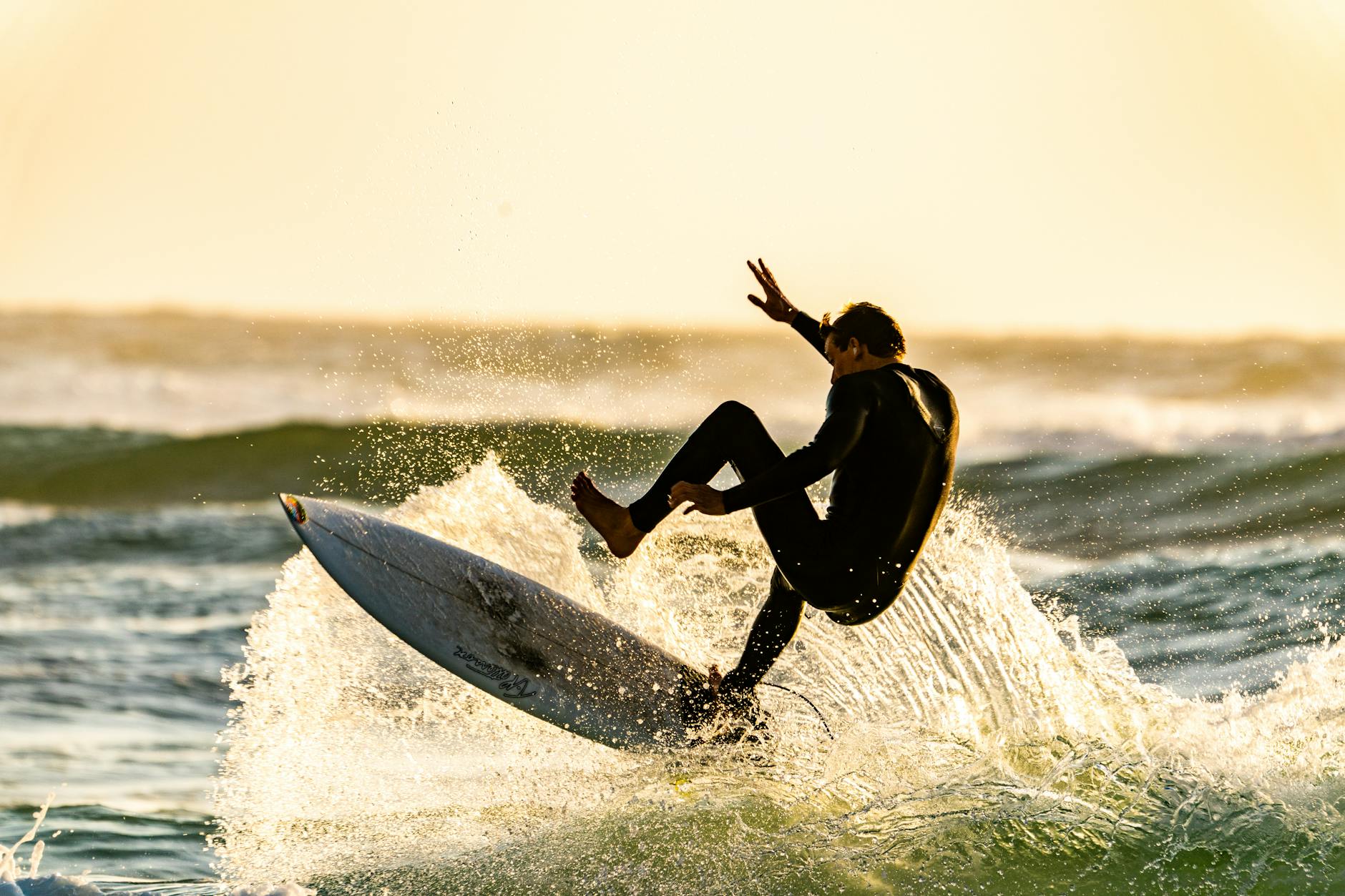
Playa Venao is Panama's surf-and-digital-nomad coast. A small Pacific surf beach on the southern tip of the Azuero Peninsula in Los Santos province, anchored by a consistent right-hand surf break, a small foreign-resident community heavily skewed toward surfers and remote workers, several boutique surf lodges and eco-resorts, and a handful of restaurants and beach bars. People who choose Playa Venao are choosing surf access, remote-work-compatible lifestyle, and authentic small-beach Pacific Panama. The community is small, the infrastructure is functional but limited, and the trade-offs are different from any other Panama destination.
What Playa Venao Actually Is
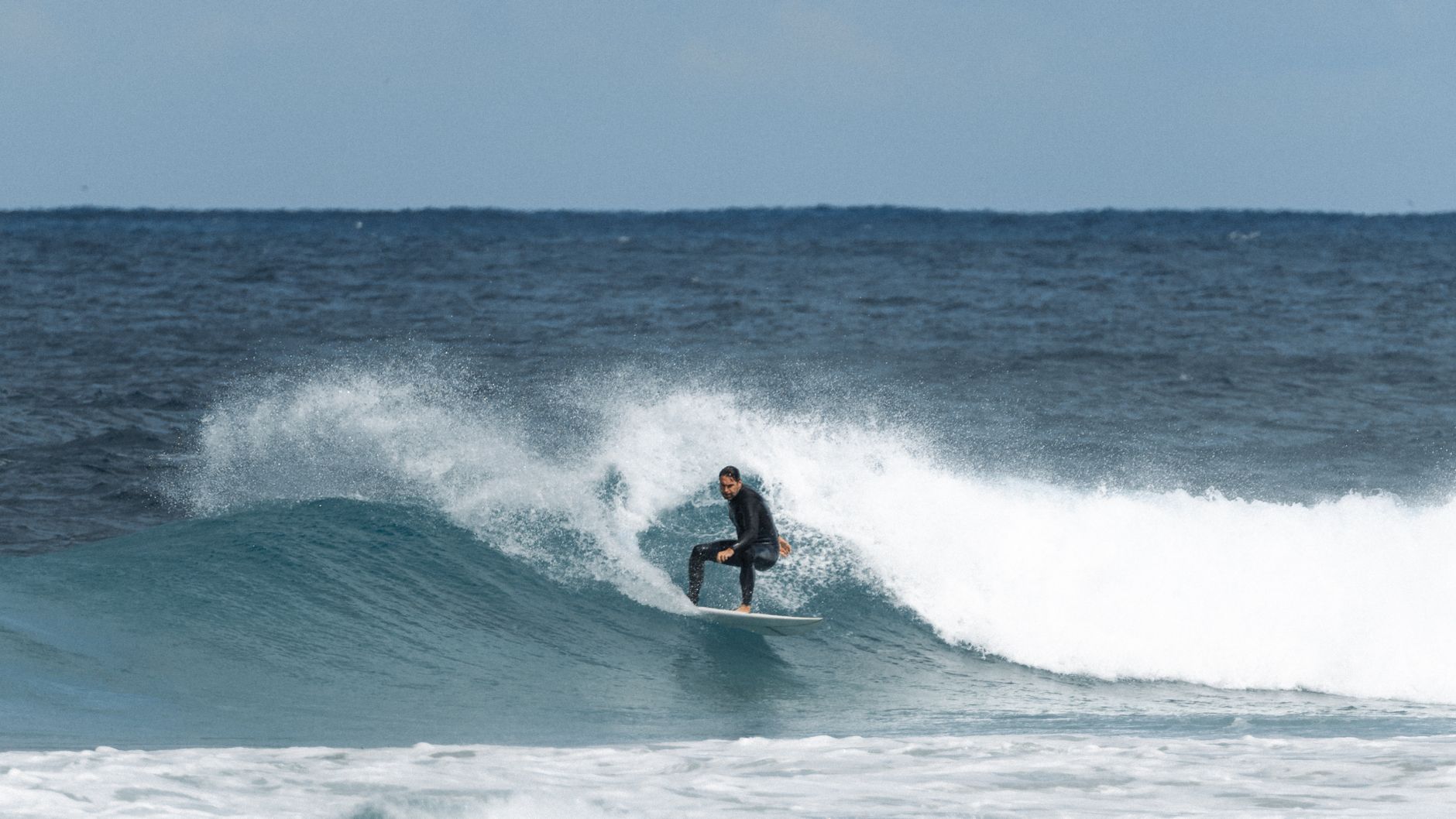
Playa Venao is not a town in the traditional sense. The actual community is a small beach settlement on a 3-kilometer crescent of Pacific coastline, with most foreign-resident infrastructure concentrated along the main beach road and immediately inland. The population of Playa Venao proper is approximately 200-400 permanent residents, with significant variation between peak surf seasons and off-peak. The broader area, including the nearby village of Pedasí (covered in a separate guide) and smaller villages along the Azuero coast, includes additional residential populations.
The geography is specific. Playa Venao sits on the Pacific coast at the southern tip of the Azuero Peninsula, approximately 4 hours by car from Panama City. The drive routes through Chitré (the Herrera capital) and Las Tablas (the Azuero cultural hub), then south through Pedasí, and finally along the coastal road to Playa Venao. The full drive can extend to 5 hours depending on conditions. The beach itself is a long crescent of golden-brown sand backed by a green ridge.
The original development pattern was surf-driven. The right-hand surf break at Playa Venao has been a regional and increasingly international surf destination since the 1990s, with growing recognition through the 2000s and 2010s. The community has grown organically around the surf scene. Multiple boutique surf lodges, eco-resorts, and small-scale residential developments built out through this period.
What Playa Venao actually is today is a small foreign-resident community concentrated on surf and remote-work lifestyle, an emerging digital nomad hub with significant draw, a growing eco-tourism and surf-tourism destination, and a quieter cousin to the more developed Pedasí 20-30 minutes north.
The demographic profile is distinctive. The foreign-resident community skews younger and more international than Boquete, Coronado, or other established Panama destinations. North Americans, Europeans (particularly French, German, and Israeli), South Americans (particularly Argentines, Brazilians, and Chileans), and Australians all have presence. The community is approximately 60-70% foreign-resident at this point — meaningfully different from the more balanced communities at other destinations.
The defining feature that separates Playa Venao from every other Panama destination is the combination of surf access, digital nomad infrastructure, and the young international community. Pedasí (the larger neighbor 20-30 minutes north) is more established and somewhat more traditional. Santa Catalina (on the opposite Pacific coast in Veraguas) is more off-grid and surf-focused but with smaller digital nomad infrastructure. Playa Venao occupies a specific niche.
- Playa Venao is a small Pacific surf beach in Los Santos province
- Population ~200-400 permanent; foreign-resident ~60-70% of population
- 4-5 hours from Panama City via Chitré, Las Tablas, Pedasí
- 20-30 minutes south of Pedasí along Pacific coastal road
- Right-hand surf break is anchor; eco-tourism and digital nomad pull is growing
- Demographic skews younger and more international than other Panama destinations
- Foreign-resident infrastructure concentrated; Panamanian small-town life is in adjacent Pedasí
What Daily Life Looks Like
Daily life in Playa Venao runs on a rhythm fundamentally different from other Panama destinations.
Mornings start early for surfers. The best surf conditions at the main break and the surrounding spots are typically dawn — calmer winds, smaller crowds, the right swell timing. Surfers head to the breaks before 6 AM during certain seasons. This is not optional culture — it is what defines life here.
For remote workers (a meaningful subset of the foreign-resident community), mornings are work mornings. The combination of UTC-5 alignment with US Eastern Standard Time and the surf-and-beach lifestyle means many residents work US business hours then surf or beach in the afternoons. Some coworking spaces and remote-work-friendly cafes have established along the beach road.
Midday is hot. Pacific lowland heat — year-round 84-92°F (29-33°C) with significant humidity. The Pacific breeze moderates somewhat. AC is essential in indoor spaces; many properties have functional cooling.
Late afternoons cool slightly with the Pacific breeze. Surfers return to the breaks for evening sessions when conditions allow. The pace of beach and social life picks up.
Evenings center on the surf-and-beach community. Several restaurants and bars along the beach road serve the community — international-fusion cuisine, surf-bar culture, evening sunset gatherings.
For grocery shopping, the practical destinations are Pedasí (20-30 minutes north, small but functional grocery), Las Tablas (45-60 minutes, larger grocery), or Chitré (1.5 hours, full supermarket infrastructure). There are no full-service supermarkets in Playa Venao.
Banking is essentially absent in Playa Venao. ATM service exists but is unreliable. Most residents handle banking through Pedasí or Las Tablas.
Internet has improved dramatically. Fiber service through Más Móvil and Cable Onda is available in much of Playa Venao. Starlink is widely used as primary or backup. Most established remote workers use combinations — fiber as primary, Starlink as backup, cellular when traveling.
Vehicle ownership is essential. The settlement is too spread out for foot transport beyond immediate clusters. 4WD vehicles are common because some inland and beach-access roads can be rough during wet season.
- Surf rhythm drives morning life; many start before 6 AM during peak season
- Remote workers structure days around UTC-5 work hours and beach afternoons
- Year-round 84-92°F (29-33°C); AC essential indoors
- Pedasí (20-30 min) for groceries; Las Tablas or Chitré for larger shopping
- No bank or substantial pharmacy in Playa Venao
- Fiber + Starlink combinations are standard for remote workers
- Vehicle essential; 4WD common
- Smaller weekday/weekend swing than resort destinations; surf-season patterns drive variation
Climate and Environment

Playa Venao operates on a Pacific tropical coastal climate with strong seasonal variation. The natural environment is one of the primary draws.
Year-round daytime temperatures sit between 84°F and 92°F (29-33°C). The variation is narrow. Humidity is high year-round, moderated by the consistent Pacific breeze.
The two seasons are clear. Dry season runs December through April. Sustained Pacific trade winds blow consistently. The dry-season trade winds at Playa Venao can be intense — the southern Azuero coast position means winds can blow strongly across the beach during peak dry-season weeks.
Wet season runs May through November. Rain comes most afternoons in predictable patterns: clear mornings, building clouds, heavy showers between 2-5 PM, evening clearing. October and November typically have the heaviest rainfall. Roads to and from Playa Venao can be affected — some access roads in surrounding areas require 4WD during heavy rain. Mosquitoes increase substantially; dengue is documented.
Playa Venao sits well outside the Atlantic hurricane belt. Direct hurricane strikes do not occur. Significant geographic advantage.
The Pacific Ocean at Playa Venao is warm year-round (76-84°F / 24-29°C). The surf is the defining feature. The main right-hand break is consistent through peak surf season (April-October), with smaller secondary breaks for different swell directions and skill levels.
The water is generally clearer than the Pacific Riviera destinations — less sediment than Coronado or Playa Blanca, though still not the turquoise of Caribbean destinations. The beach is golden-brown sand backed by a green ridge.
Wildlife is significant. Bird life is abundant — coastal and lowland tropical species. Iguanas common. Howler monkeys in surrounding forested areas. Sea turtles nest on local beaches during certain seasons.
- Year-round 84-92°F (29-33°C); high humidity moderated by Pacific breeze
- Two seasons: dry (Dec-Apr) with sustained Pacific trade winds; wet (May-Nov) with afternoon rains
- Outside Atlantic hurricane belt — geographic advantage
- Consistent right-hand surf break; peak surf season April-October
- Water clearer than Pacific Riviera but not Caribbean-turquoise
- Beach is golden-brown sand backed by green ridge
- Sea turtles nest on local beaches in season; significant marine biodiversity
- Authentic Pacific coast Panama character; not master-planned
Cost of Living Reality
Playa Venao's cost structure reflects the small market, the limited infrastructure, and the lifestyle-driven demographic. The cost advantages are real but the trade-offs are equally real.
Housing varies dramatically by zone and type. Long-term residential rental in Playa Venao runs $500-1,500 per month for apartments and townhouses. Single-family homes range from $800-3,000+ depending on size and location.
The vacation rental and short-term rental market is the dominant economic activity. Many properties function as short-term rentals during peak surf season at premium rates, with longer-term rentals in off-season.
Buying property: $80,000 to $1M+ covers a wide range. Modest in-area homes start below $150,000. Mid-range single-family homes run $200,000-450,000. Higher-end ocean-view or beach-adjacent properties run $400,000-1M+. Land parcels in surrounding areas can be more affordable.
Foreigners hold full fee-simple title in Panama — no trust structure required. Transaction costs run 5-7% including legal, registration, and 2% ITBI transfer tax.
Independent legal review is essential for any purchase. The Azuero land market has some complexity, particularly with rural properties, beach-adjacent land with traditional family ownership, and the various subdivision and informal-development patterns that have emerged.
Electricity is meaningful for AC-heavy properties — $150-400+ monthly during peak heat. Solar installations are increasingly common given the consistent dry-season sunshine.
Internet ranges from $50-100 for fiber where available; Starlink is approximately $100-150 monthly.
Restaurants and dining: Local Panamanian sodas serve full meals for $5-8. Mid-tier restaurants in Playa Venao run $10-25 per person. Higher-end and surf-lodge restaurants run $20-40 per person.
The honest monthly range: modest lifestyle with apartment, local groceries, and limited eating out runs $1,500-2,500 monthly. Comfortable lifestyle with a real house, regular dining, vehicle, and full participation runs $2,500-4,500. The full ocean-view-property lifestyle runs $3,500-6,000+.
- Smaller and more affordable than Pedasí; cheaper than Pacific Riviera options
- Apartment rentals $500-1,500/month; homes $800-3,000+
- Buying range: $80K-$1M+; modest homes from $80K; ocean-view $400K+
- Foreign buyers hold full fee-simple title; transaction costs 5-7%
- Vacation rental market is dominant economic activity for foreign properties
- Realistic monthly floor: $1,500-2,500; comfortable: $2,500-4,500; full lifestyle: $3,500-6,000+
Healthcare Access

Playa Venao has very limited local healthcare. Healthcare distance is the most significant practical limitation, similar to Santa Catalina.
There is no hospital in Playa Venao. The local health post handles very basic services. A small clinic operates with limited scope. Most medical needs beyond routine require travel.
For routine care, Pedasí (20-30 minutes north) has a few clinics serving the broader Azuero foreign-resident community. Las Tablas (45-60 minutes) has more substantial regional healthcare infrastructure — clinics and a regional hospital that handles many needs.
For hospital-level care, Chitré (1.5 hours) has Hospital General in Herrera province. For more complex care, Panama City (4-5 hours by car) is the regional premier private hospital destination. Hospital Punta Pacífica (Johns Hopkins-affiliated) is the practical destination for complex procedures.
Air ambulance services exist for very serious cases.
The honest assessment for foreign residents: Playa Venao works for healthy, active residents in active life phases who understand and accept the healthcare distance. The drive to Pedasí (20-30 min), Las Tablas (45-60 min), or Chitré (1.5 hours) for moderate to substantial care is the practical reality. The 4-5 hour drive to Panama City for hospital-level care is the more dramatic limitation.
For residents managing serious chronic conditions or requiring frequent specialist visits, the healthcare distance is genuinely limiting. The demographic of Playa Venao — primarily younger surfers, digital nomads, and active residents — means most current residents are in life phases where the healthcare distance is acceptable.
- No hospital in Playa Venao; basic local clinic only
- Pedasí (20-30 min) is nearest practical clinic destination
- Las Tablas (45-60 min) for regional hospital
- Chitré (1.5 hours) for Hospital General
- Panama City (4-5 hours) for premier private care
- Air ambulance services exist for serious cases
- Healthcare distance is most significant practical limitation
- Works for healthy active residents; not for those with significant medical needs
Getting Around and Getting Out
Within Playa Venao, the settlement is compact along the beach road. Most daily life happens within a 1-2 km area along the beach. Walking and cycling are functional within this immediate area.
For most life beyond the immediate beach corridor — Pedasí, the broader Azuero region, and major needs — a vehicle is essential.
Road network: The road from Pedasí south to Playa Venao is paved and in reasonable condition. Within Playa Venao, the main beach road is paved but narrower than highway-standard. Some inland and beach-access roads to surrounding areas are gravel and can deteriorate during wet season. 4WD vehicles are common and useful for outlying properties.
For getting out of Playa Venao, the practical artery is the road north through Pedasí and on to Chitré and the Pan-American Highway. The full drive to Panama City is 4-5 hours.
International travel routes through Tocumen International (PTY) in Panama City. The 4-5 hour drive to PTY plus airport time means total transit to international flights is 5-6 hours. The Río Hato Airport (RIH) approximately 2.5 hours away can occasionally serve some travel. The Las Tablas Airport (LTB) handles very limited small-aircraft service.
Regional bus service from Pedasí connects to Las Tablas, Chitré, and onward to Panama City. The bus is functional, affordable, and used by both Panamanians and the occasional traveler.
Within Playa Venao, Uber is not active. Taxis are limited. Most short-distance transport happens via personal vehicle or walking.
The geographic position of Playa Venao — far from Panama City, far from international airports, requiring multiple-leg trips for major travel — is one of the practical realities that residents must accept.
- Settlement compact along beach road; walking within 1-2 km cluster functional
- Vehicle essential for Pedasí, Azuero region, major needs
- Pedasí 20-30 min north; Las Tablas 45-60 min; Chitré 1.5 hours
- Panama City 4-5 hours by car
- Tocumen International 4-5+ hours total transit time
- 4WD common for outlying properties
- Regional bus service from Pedasí to broader destinations
- Uber not active; taxis limited
Community and Social Life

Playa Venao's community is small, international, and heavily concentrated on surf and remote-work lifestyle. The community character is meaningfully different from other Panama destinations.
The Panamanian community in Playa Venao itself is small — primarily working-age locals employed by the various surf lodges, restaurants, and tourism infrastructure. The broader Los Santos province has the traditional Azuero rural community with multi-generational families in agriculture, fishing, and local commerce. The Catholic parish and traditional cultural calendar are anchored in Pedasí and broader Azuero, less so in Playa Venao itself.
The foreign-resident community is the dominant demographic. Estimated at 60-70% of the Playa Venao population. The community is varied: surfers who came for the breaks and stayed; remote workers attracted by the lifestyle; digital nomads on longer-term stays (1-12 months typical); eco-tourism entrepreneurs running lodges and tours; surfer-entrepreneurs operating surf schools; and a smaller subset of foreign retirees on Pensionado.
The international character is meaningful. The community includes North Americans (US and Canadian), Europeans (particularly French, German, Israeli, Italian), South Americans (particularly Argentines, Brazilians, Chileans), and Australians. The young international demographic creates a multilingual social environment uncommon elsewhere in Panama.
The community size — 200-400 permanent residents plus rotating visitors — means relationships form quickly. Several restaurants and beach bars function as social hubs. The breaks themselves serve as social spaces.
The digital nomad community is real and growing. Several coworking-style cafes operate. The combination of UTC-5 work alignment with US Eastern, the surf-lifestyle compatibility, the affordable cost of living, and the established remote-work culture has made Playa Venao a recognized digital nomad destination.
Making friends as an adult: relatively easy because of the small scale, shared interests (surf, remote work, lifestyle), and the welcoming surf community. The trade-off is that the rotating international and digital nomad population means many friendships are transient.
- Foreign residents ~60-70% of population; meaningfully higher than other destinations
- International demographic — US, Canada, Europe, South America, Australia
- Younger demographic than typical Panama foreign-resident communities
- Digital nomad community established and growing
- Several coworking-style cafes serve remote workers
- Surf community is defining sub-community
- Catholic parish in Pedasí anchors broader Azuero religious life
- Spanish proficiency widens access; English-only is more limited but functional
- Surf community has internal cultural norms; newcomer integration over time
- Community size means relationships form quickly
Schools and Family Life
Playa Venao has very limited family infrastructure. The demographic skews young and adult-without-children or childless-couples. Families with children are present but represent a smaller subset of the community.
There are no schools within Playa Venao. For comprehensive education, the practical options are: Pedasí-area schools (limited bilingual options 20-30 minutes north); Las Tablas schools (45-60 minutes); or distance learning and homeschool arrangements.
Public schools serve the local Panamanian community in Pedasí and Los Santos villages in Spanish.
Most foreign families with school-age children who relocate to the Pacific Azuero coast for daily-school-commute residence choose Pedasí over Playa Venao. The Pedasí infrastructure is more established. Playa Venao works better for families using distance learning, families with very young children, or families in flexible-education situations.
Pediatric healthcare follows the regional pattern — basic locally, Pedasí or Las Tablas for routine, Panama City for complex needs.
Activities for children: the outdoor environment is the dominant childhood backdrop. Beach time, surfing, swimming, fishing, hiking, exposure to Pacific Panama wildlife.
Structured activities are very limited locally. Organized sports leagues are essentially absent. For families that value genuine outdoor childhood, surf-and-beach immersion, and have flexibility around education, Playa Venao offers something distinctive. For families needing comprehensive educational infrastructure, Playa Venao is essentially not the right fit.
- Very limited family infrastructure in Playa Venao
- Demographic skews younger than typical Panama foreign communities
- No schools in Playa Venao; Pedasí (20-30 min) has limited options
- Las Tablas schools 45-60 min away
- Most foreign families with school-age children choose Pedasí or other destinations
- Outdoor childhood available — surf, beach, nature, fishing
- Structured children's activities essentially absent
- Works for distance-learning families, very young children, or flexible-education situations
Working and Income

Playa Venao works particularly well for remote workers with established income, for surf-and-eco entrepreneurship, and for foreign residents with significant capital flexibility. Local employment in the Panamanian economy is limited.
For remote workers, Playa Venao has become one of Panama's emerging digital nomad destinations. Internet infrastructure is functional: fiber service through Más Móvil and Cable Onda covers much of the area; Starlink works well as backup or primary. Coworking-style cafes operate along the beach road. Time zone is UTC-5 year-round (no DST), aligned with US Eastern Standard Time.
The remote work community is real and supportive. Multiple cafes function as coworking spaces with reliable internet, comfortable seating, and the social infrastructure that supports the remote-work demographic. The combination of surf access and remote-work-compatibility is the distinctive draw.
For surf-and-eco entrepreneurship, Playa Venao supports a real niche. Surf schools, surf lodges, eco-tourism operations, fishing charters, yoga retreats, and various surf-and-lifestyle businesses operate at meaningful scale. The combination of consistent surf, eco-tourism infrastructure, and the established international tourism flow supports several sustainable foreign-owned businesses.
For restaurant and small hospitality businesses, the market is real but seasonal. Surf-season demand is strong; off-season is quieter.
Vacation rental income is significant for properties oriented to surf renters and digital nomads. Peak surf season earns premium rates; off-season demand is lower. Conservative underwriting essential.
The territorial tax system means foreign-source income is generally not taxed by Panama for residents.
- Emerging digital nomad destination; fiber and Starlink connectivity functional
- Coworking-style cafes operate along beach road
- UTC-5 aligned with US Eastern Standard
- Surf-and-eco entrepreneurship is unique entrepreneurial path
- Pensionado visa applies but demographic skews younger
- Restaurant and hospitality businesses face seasonal patterns
- Vacation rental returns supported by surf tourism and digital nomad market
- Territorial tax: foreign-source income generally not taxed by Panama for residents
Safety and Honest Concerns
Playa Venao is among the safer Panama destinations. The combination of small-community dynamics, surf-and-eco focus, and the Azuero regional safety produces a generally safe environment.
Violent crime is uncommon. Playa Venao is not in any major trafficking corridor. The small community presence and the broader Azuero dynamics produce a relatively safe environment.
Petty crime is the most common concern. Property theft from unsecured or vacant homes, opportunistic break-ins (particularly during the lower-season periods when many vacation properties are empty), and theft from beach-cluster vehicles all happen. Active property management substantially reduces these risks.
Beach safety is significant. The surf at Playa Venao is real surf — powerful, with currents and rip tides that produce drowning risk for the unprepared. Even experienced swimmers respect these conditions.
Surfing safety is a separate consideration. The right-hand break is consistent and rideable but has its specific characteristics. New surfers should respect local guidance about conditions and skill-level-appropriate breaks.
Weather hazards: heavy wet-season rains can produce flooding on lower-lying properties and access roads. The Pacific surf can become dangerous during major storm events.
Construction quality varies enormously. The combination of coastal humidity, salt air, and the rougher infrastructure of a small Pacific town means properties show wear quickly. Independent inspection is essential.
The healthcare distance is itself a safety consideration. Earthquake risk: low to moderate. Hurricane risk: outside Atlantic hurricane belt — geographic advantage.
- Among the safer Panama destinations
- Petty crime (vacant-home theft, vehicle break-ins) most common
- Active property management essential for foreign-owned properties
- Pacific surf safety significant — powerful waves, currents, rip tides
- Surfing safety considerations for newcomers
- Wildlife present but rarely dangerous
- Weather hazards: wet-season flooding, occasional severe surf during storms
- Construction quality varies; independent inspection essential
- Outside hurricane belt; earthquake risk low-moderate
- Healthcare distance is real safety consideration
The Hard Truths

This is where the marketing language stops. Playa Venao has been marketed as the 'Tulum of Panama' or as the 'next Tamarindo' — both framings have real elements and important distortions.
The Tulum or Tamarindo comparison oversimplifies. Playa Venao is genuinely smaller than either of these destinations — meaningfully smaller infrastructure, smaller foreign-resident community, fewer commercial options. People expecting Tulum-style amenities arrive disappointed.
The infrastructure is meaningfully limited. While Playa Venao has more local commercial infrastructure than Santa Catalina, it has dramatically less than Pedasí, much less than Coronado, and obviously much less than Panama City. Specialty groceries, hardware, vehicle service, and many services require trips to Pedasí, Las Tablas, or further.
Healthcare distance is the most significant practical limitation. The geographic isolation (4-5 hours to Panama City for hospital-level care) is the practical reality.
The dry-season trade winds are intense — sustained Pacific winds for weeks. The southern Azuero coastal position means winds can blow strongly across the beach.
The wet season tests residents. The afternoon rains, the road conditions, the wet-season mosquito and humidity reality all test newcomers. People who arrive during dry season (the peak surf season and best visiting time) sometimes discover that wet season looks very different.
The surf community has its own internal culture. Wave priority, localism (the cultural rules about which breaks are appropriate for which skill levels), and the broader surf-community social norms can affect newcomer integration.
The international and digital nomad demographic creates a specific community character. Some residents value this; others find it creates a sense of impermanence — many friendships are transient as nomads cycle through.
Construction quality varies dramatically. The coastal humidity, salt air, and the smaller-market construction patterns mean properties show wear quickly. Independent inspection on any purchase is essential.
First-year adjustment is real. The combination of infrastructure realities, healthcare distance, climate, the small-town community dynamics, and the cultural integration all test new residents.
- 'Tulum of Panama' or 'next Tamarindo' framings oversimplify; Playa Venao is its own place
- Infrastructure limited; specialty needs require Pedasí, Las Tablas, or further
- Healthcare distance significant (4-5 hours to Panama City for hospital-level care)
- Dry-season trade winds intense
- Wet season tests residents; dry-season visitors don't see full picture
- Surf community has internal cultural norms (priority, localism) affecting newcomers
- International/digital nomad demographic creates sense of impermanence
- Spanish proficiency requirements higher than international demographic suggests
- Construction quality varies; independent inspection essential
- Vacation rental dynamics affect community stability
- Small-town personalities matter
- Growth trajectory real; current prices reflect 15+ years of demand
- First-year adjustment significant
Frequently Asked Questions About Living in Playa Venao
Is Playa Venao safe for foreigners to live in?
Playa Venao is among the safer Panama destinations. Petty property crime, particularly with vacant properties, is the most common issue. Violent crime is uncommon. Active property management addresses most realistic risks.
How much does it cost to live in Playa Venao?
Modest lifestyle with apartment, local groceries, and limited eating out runs $1,500-2,500 monthly. Comfortable lifestyle with a real house, regular dining, vehicle, and full participation runs $2,500-4,500. The full ocean-view-property lifestyle runs $3,500-6,000+.
Do I need to speak Spanish to live in Playa Venao?
Less than in authentic small Panamanian destinations because of the international and digital nomad demographic, but more than the demographic suggests. Real integration with Panamanian community and surrounding Azuero region requires Spanish. Most long-term foreign residents develop functional Spanish.
What is the best time of year to visit Playa Venao?
Surf season (April-October) brings the most consistent waves and peak energy. Dry season (December-April) brings sunshine and Pacific trade winds. Visiting during both peak surf and off-season before committing is wise.
Quick Reference: Playa Venao At a Glance
- Province
- Los Santos
- Region
- Azuero Pacific Surf
- Time Zone
- UTC-5 (EST, no DST)
- Airports
- PTY (Tocumen, 4-5 hours total transit); LTB (Las Tablas, limited)
- Foreign Ownership
- Full fee-simple title
- Peak Season
- April – October (surf); December – April (dry season)
Getting There
International arrivals route through Tocumen International Airport (PTY) in Panama City — 4-5 hours total transit to Playa Venao by car. The route follows the Pan-American Highway south and west, through Chitré (the Herrera capital), Las Tablas (the Azuero cultural hub), and south through Pedasí to the coastal road. The Río Hato Airport (RIH) is approximately 2.5 hours away. Las Tablas Airport (LTB) handles very limited small-aircraft service.
Real Estate Overview
Playa Venao offers Panama's most distinctive surf-and-remote-work real estate market — small Pacific surf beach community with established foreign-resident infrastructure, growing digital nomad presence, and consistent surf access. Range spans modest in-area homes ($80K-150K), mid-range single-family homes ($200K-450K), higher-end ocean-view and beach-adjacent properties ($400K-1M+), and land parcels in surrounding areas. Foreign buyers hold full fee-simple title. The market is small but established with significant vacation rental investment activity.
What Works
- Consistent right-hand Pacific surf break; peak season April-October
- Established digital nomad infrastructure (coworking-style cafes, fiber, Starlink)
- Outside Atlantic hurricane belt — geographic advantage
- International and multilingual community
- Smaller and more affordable than Pedasí
- Authentic Pacific coast Panama character
- UTC-5 aligned with US Eastern for remote work
What to Consider
- Healthcare significantly limited — 4-5 hours to Panama City for hospital-level care
- Infrastructure limited; specialty needs require Pedasí, Las Tablas, or further
- 'Tulum of Panama' framing oversells; Playa Venao is smaller and different
- Vacation rental and digital nomad dynamics create transient community feel
- Surf community has internal cultural norms
- Construction quality varies; independent inspection essential
- Limited family infrastructure; works best for surfers, remote workers, retirees
Practical Notes
Choosing Playa Venao means choosing Panama's distinctive surf-and-digital-nomad coast — consistent Pacific surf, established remote-work-compatible infrastructure, international community, and the small-beach Pacific Panama lifestyle. The trade-off is the healthcare distance (4-5 hours to Panama City), the limited local infrastructure, and the international/digital nomad demographic that creates a transient community feel different from authentic small Panamanian destinations. People who thrive at Playa Venao value surf access, remote-work compatibility, the international community, and the Pacific lifestyle. The Pensionado visa applies for qualifying foreign retirees but the demographic skews younger than typical Pensionado community. Independent property due diligence is essential. Spending time during both peak surf (April-October) and off-season before committing is wise. Backup systems for power and water are useful infrastructure. Give yourself two full years before judging — the lifestyle either deepens into preferred long-term residence or fades into limitations.
Explore Playa Venao Listings
Playa Venao Surf Properties → | Playa Venao Investment Land → | All Playa Venao Property →
Nearby Areas
Related Playa Venao Resources
Playa Venao Market Hub — Browse Listings | Pedasí Market Hub | Las Tablas Market Hub | Pedasí Living Guide — Adjacent Pacific Azuero Destination | Santa Catalina Living Guide — Sister Pacific Surf Community | Best Places to Retire in Panama | Where Expats Buy Property in Panama | Panama Beach Property for Vacation Rental Investors | Panama Real Estate Guide for American Buyers | Chitré Living Guide — Regional Commercial & Healthcare Anchor