What Is Life in Pedasí, Panama Like?
Los Santos
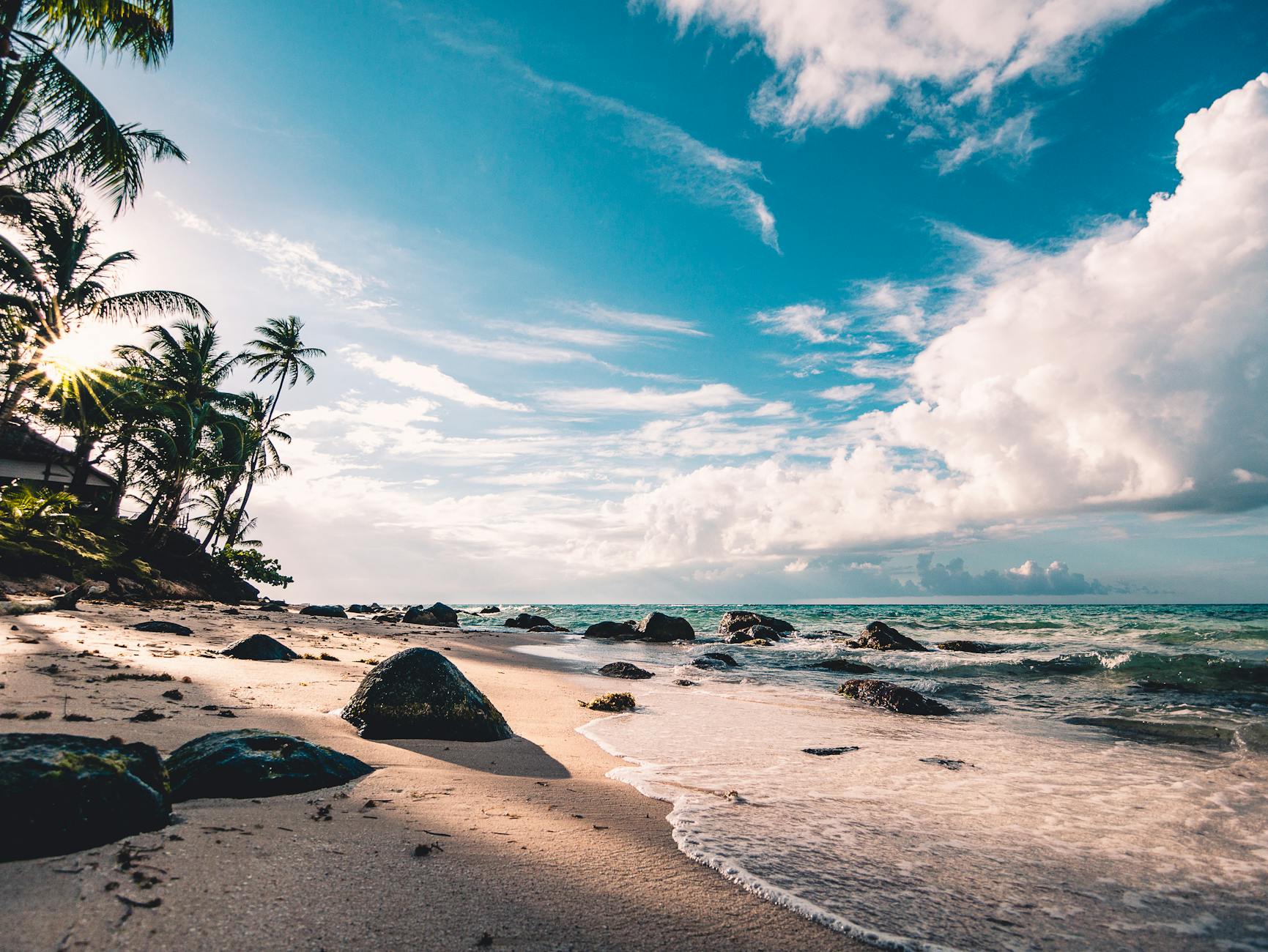
Pedasí is the slow-coast Panama that the rest of the country isn't. A small Pacific fishing town of about 3,000 people on the tip of the Azuero Peninsula, surrounded by cattle country, ranchland, deep-rooted Panamanian cultural traditions, and the most consistent surf in the country. It is not Boquete, not Coronado, not Bocas — and the people who choose Pedasí choose it specifically because of how different it is from those places. This is where Panama's most distinctive cultural region meets a growing but still small foreign-resident community.
What Pedasí Actually Is

Pedasí is not what most foreign-buyer marketing materials suggest. The Panama of expat imagination is Boquete (cool mountain) or Coronado (developed beach corridor) or Bocas del Toro (Caribbean islands). Pedasí is something different from all three: a small Pacific fishing town anchored to the Azuero Peninsula, which is one of the most culturally distinctive regions of Panama.
What Pedasí actually is, is a real Panamanian small town that happens to be on the Pacific coast with extraordinary natural assets — consistent surf, accessible islands (Isla Iguana, Isla Cañas), undeveloped beaches, and proximity to one of the most biodiverse marine corridors in the eastern Pacific. The foreign-resident community here is small but growing: roughly 500-800 foreign residents across Pedasí and the surrounding Azuero coast.
Geographically, Pedasí sits at the southeastern tip of the Azuero Peninsula in Los Santos Province, about 4-5 hours by car from Panama City. The drive routes via the Pan-American Highway to Divisa, then south through Las Tablas to Pedasí. The Azuero Peninsula is the cultural heartland of Panama — cattle ranching, agricultural production, the Carnaval traditions that culminate in the famous Las Tablas Carnaval, traditional folk music, and the cultural festivals that anchor the Panamanian calendar all have deep roots here.
- Pedasí is a small Pacific fishing town on the tip of the Azuero Peninsula
- Population ~3,000 in town; ~500-800 foreign residents across the broader area
- Located in Los Santos Province; 4-5 hours by car from Panama City
- No commercial airport — most arrivals by road; small airstrip for charter flights
- Azuero is Panama's cultural heartland — Carnaval, folklore, cattle country
- Foreign-resident community is small but growing; integrated into town rather than separated
- Distinct from Boquete (mountain), Coronado (developed beach), and Bocas (Caribbean islands)
What Daily Life Looks Like
Daily life in Pedasí runs on small-town rhythm — slower than Panama City, more Panamanian than Boquete, and shaped by the agricultural and fishing economy that has defined the Azuero for generations. Mornings start early. The town is active by 6 AM with fishermen heading out, school children walking to class, and the small commercial street opening for the day. Midday is hot — similar to David or coastal Panama City. From late morning through mid-afternoon, the town slows. Late afternoons and evenings come back to life.
For grocery shopping, Mini-Super Yely and a few smaller stores in Pedasí handle daily needs. For larger weekly shopping, most residents drive to Las Tablas (30 minutes) where the Romero supermarket has more selection. For major shopping — hardware, vehicle service, specialized items — Chitré (1 hour) is the regional commercial center.
Surf is a defining feature of Pedasí's daily rhythm. The breaks at Playa El Toro, Playa Lagarto, and Playa Venao produce consistent surf year-round. Fishing is central to local economy and culture — the fishing fleet leaves before dawn, fresh fish arrives at the dock by mid-morning, and buying fish directly from fishermen is part of normal weekly shopping. The Las Tablas Carnaval (February or early March) is the defining event of the regional calendar.
- Small-town rhythm — slower than urban Panama, more authentic than expat enclaves
- Mornings active 6-10 AM; midday slower in heat; evenings come back to life
- Mini-Super Yely for basics; Las Tablas (30 min) for weekly shopping; Chitré (1 hr) for major errands
- Banco Nacional in town; BAC in Las Tablas; ATM service can be intermittent
- Fiber internet generally functional; Starlink useful as backup
- Surf and fishing shape the daily rhythm in fundamental ways
- Las Tablas Carnaval (Feb/Mar) is the defining annual cultural event of the region
Climate and Environment
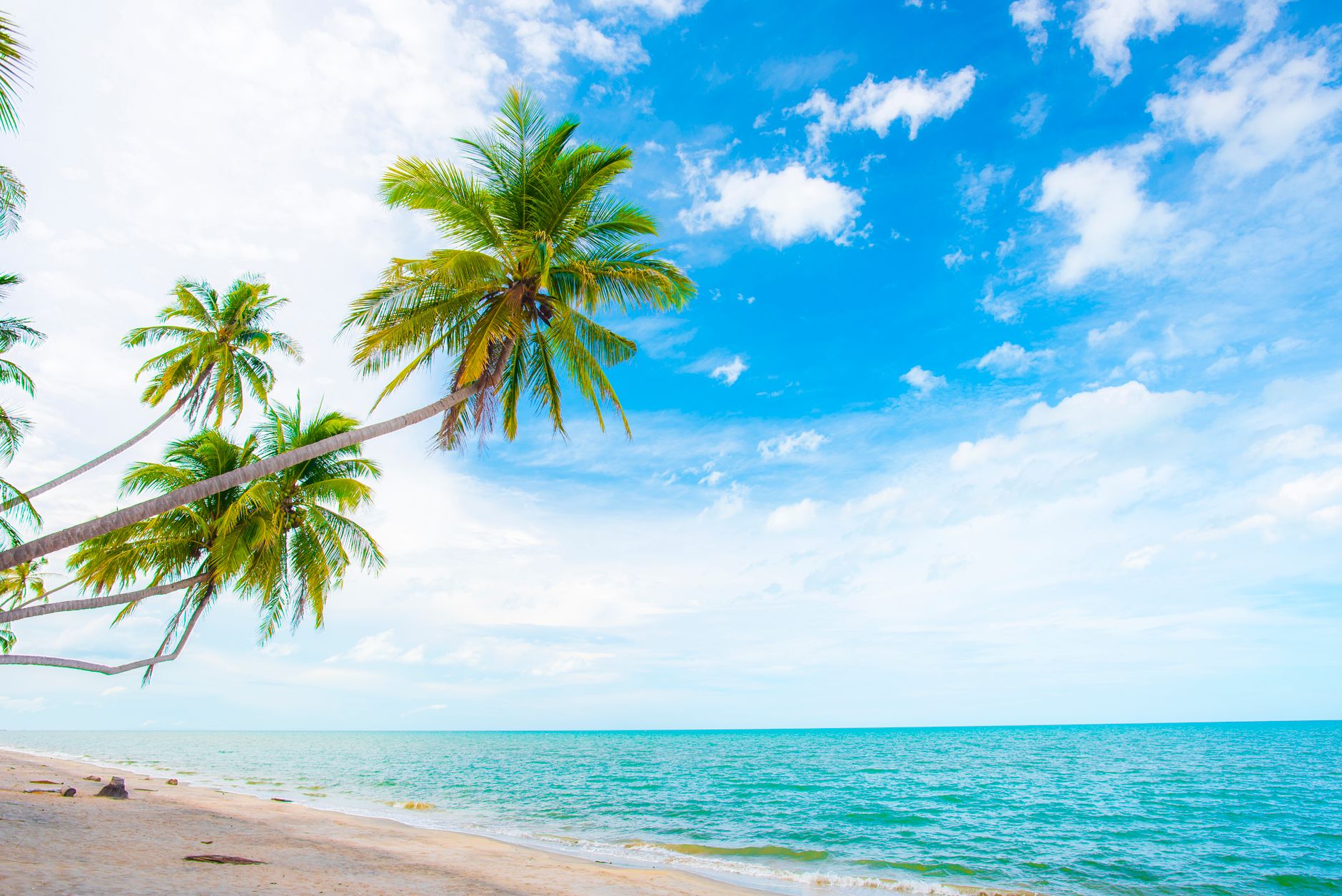
Pedasí operates on a tropical Pacific climate with one of the most pronounced dry/wet season divides in Panama. The dry season — mid-December through April — is dramatic. Sustained trade winds blow consistently and often strongly. Humidity drops noticeably. The landscape browns out as the rainfall stops. The wind can be intense — sustained 20-30 mph for weeks, occasionally stronger. The wet season — May through November — brings the green explosion. Rain arrives most afternoons in predictable patterns: clear mornings, building clouds, heavy shower between 2-5 PM, evening clearing.
Year-round temperatures sit between 75°F and 92°F (24-33°C). AC is essential. Pedasí is well outside the Atlantic hurricane belt — a significant geographic advantage. Isla Iguana, a protected wildlife refuge about 20 minutes by panga, hosts one of the largest frigatebird colonies in the eastern Pacific. Isla Cañas is a sea turtle nesting beach for olive ridley turtles. Humpback whale watching from Pedasí (July–October) is world-class.
- Two strong seasons: dry (Dec-Apr) with intense trade winds, wet (May-Nov) with afternoon rains
- Year-round temperatures 75-92°F (24-33°C); AC essential
- Sustained dry-season trade winds are defining feature of life here
- Outside Atlantic hurricane belt — significant geographic advantage
- Pacific surf: consistent, multiple breaks at Playa El Toro, Playa Lagarto, Playa Venao
- Isla Iguana wildlife refuge accessible by panga; major frigatebird colony
- Humpback whale watching excellent (July-October); Isla Cañas sea turtle nesting
- Mosquitoes and dengue present in wet season
Cost of Living Reality
Pedasí is more affordable than the established expat destinations of Panama (Boquete, Coronado, Bocas) and less developed in amenities. Housing varies dramatically by zone and type. A modest one-or-two-bedroom apartment in Pedasí runs $400-800 per month for long-term rental. Furnished units in newer buildings run $600-1,200. Single-family homes range from $700-2,000+. Buying property: $80,000 to $1M+ covers the broad foreign-buyer market. Modest in-town homes below $150,000; mid-range single-family homes $200,000-450,000; higher-end ocean-view properties $500,000-$1M+. Foreigners hold full fee-simple title — no trust structure required. Transaction costs run 5-7%.
Independent legal review is essential for any purchase. The Azuero land market has historically had some title complexity, particularly with rural and inherited properties. The honest monthly range: modest in-town lifestyle runs $1,800-2,800 monthly; comfortable lifestyle with a real house, regular dining, vehicle, and occasional travel for amenities runs $3,000-5,000+; the full ocean-view-house lifestyle runs $4,000-7,000+ monthly.
- More affordable than Boquete, Coronado, or Bocas across most categories
- Apartment rentals $400-1,200/month; homes $700-2,000+
- Buying range: $80K modest in-town to $1M+ ocean-view properties
- Foreign buyers hold full fee-simple title; transaction costs 5-7%
- Independent legal review essential — Azuero title complexity exists
- AC essential; electricity $150-300 in hot months
- Pensionado visa benefits apply
- Realistic monthly floor: $1,800-2,800; comfortable: $3,000-5,000; full lifestyle: $4,000-7,000+
Healthcare Access
Pedasí has very basic local healthcare. For anything beyond routine, residents drive to larger towns. The Pedasí health center handles basic public health services. A few small private clinics and a doctor's office operate in town for routine medical needs. For more substantial care, Chitré is the nearest larger medical hub — about 1 hour by car. Las Tablas (30 minutes from Pedasí) has additional clinics and pharmacies.
For hospital-level care, the regional reference is Hospital Punta Pacífica in Panama City — 4-5 hours by car or accessible via charter flight from the small Pedasí airstrip. The honest assessment: Pedasí works for healthy, active residents who understand and accept the healthcare distance. It works less well for those managing serious chronic conditions. Many residents describe a pattern: ideal for an active early-retirement phase, more complicated as healthcare needs increase.
- Basic clinic-level care in Pedasí; few private clinics and pharmacies
- Chitré (1 hour) is the nearest larger medical hub
- Las Tablas (30 min) has additional clinics
- Serious care routes to Hospital Punta Pacífica in Panama City (4-5 hours or charter flight)
- Caja public system available; private ambulance services exist
- Pensionado visa benefits apply
- Healthcare distance is a real and significant consideration — most important factor for many
Getting Around and Getting Out
Inside Pedasí, the town is walkable in its core, but daily life involves enough driving outside town that a vehicle is essentially necessary for most residents. The town center is walkable end-to-end in 15 minutes. For everything beyond the immediate town — grocery shopping in Las Tablas, medical appointments in Chitré, or the beaches that aren't walking distance — a vehicle is required.
The main highway from Las Tablas to Pedasí is paved and in good condition. Beyond Pedasí, the road continues to Playa Venao — paved but narrower. For getting out of Pedasí, the practical international travel routing is: drive to Panama City (4-5 hours) and depart from Tocumen International (PTY). Regional bus service connects Pedasí to Las Tablas, Chitré, and on to Panama City — about 5-6 hours by bus. Playa Venao (30 minutes south) is within easy reach — many Pedasí residents go there regularly for surf, restaurants, and a slightly different scene.
- Town center walkable; vehicle essentially necessary for daily life beyond town
- Las Tablas 30 minutes; Chitré 1 hour; Panama City 4-5 hours by Pan-American Highway
- No commercial airport in Pedasí; charter flights from small airstrip; Tocumen (PTY) is international hub
- Regional bus service connects Pedasí to Las Tablas, Chitré, Santiago, Panama City
- Uber not active; taxis limited
- Playa Venao 30 minutes for surf and adjacent community
Community and Social Life

Pedasí's community is small enough that everyone recognizes everyone, and that is the defining feature of social life here. The Panamanian community is the foundation — multi-generational Azuerense families with roots in fishing, agriculture, cattle ranching, and the cultural traditions of the peninsula. Spanish fluency is the entry point.
The foreign-resident community is estimated at 500-800 across Pedasí and the surrounding Azuero coast. It came in waves: early arrivals in the 2000s; a steadier stream through the 2010s; a wave of newer arrivals post-2020 driven by remote work. The foreign community is unusually integrated for its size. A meaningful subset is surf-focused — surfers from the US, Europe, Australia, and elsewhere came for the breaks at Playa Venao and Playa El Toro and stayed. Cultural anchors include the Las Tablas Carnaval (Feb/March), religious festivals throughout the year, agricultural fairs in the surrounding region, and the cattle and folklore festivals that are uniquely Azuero.
- Small enough that everyone recognizes everyone — defining feature of social life
- Multi-generational Azuerense families anchor the cultural and community life
- Foreign-resident community ~500-800 across the broader area
- Foreign residents unusually integrated for community size; Spanish develops faster here than expat enclaves
- Surf community is distinct subset — younger, beach-focused
- Las Tablas Carnaval is the defining annual cultural event; deep folklore and cattle culture
- Catholic parish, religious festivals, agricultural fairs anchor traditional social life
Schools and Family Life
Pedasí has families and has raised children for generations, but the educational infrastructure available locally is limited. Public schools serve the local Panamanian community in Spanish. There is no full bilingual private school in Pedasí. For more comprehensive bilingual or international education, the options are Las Tablas (with La Salle and some others), Chitré (more options at the K-12 level), or relocation to Panama City or David.
The outdoor environment is the dominant childhood backdrop: surfing, swimming, fishing, beach play, riding (the Azuero is cattle and horse country), nature exploration. The pace of childhood is slower than urban life — kids have more freedom and more time outside. Structured activities are limited. Many families who relocate to Pedasí end up with a hybrid arrangement — Pedasí for daily life, Las Tablas or Chitré for schools.
- Public schools available in Spanish; quality reasonable by rural standards
- No full bilingual private school in Pedasí; Las Tablas and Chitré have more options
- Internationally accredited curriculum requires Panama City
- Pediatric specialists in Chitré or Panama City
- Outdoor childhood available — surf, beach, ranchland, nature
- Structured activities limited; many families do hybrid arrangements
Working and Income
Pedasí works well for foreign retirees with pension income and for remote workers with stable internet, less well for those seeking local employment. Fiber service through Más Móvil and Cable Onda is available in much of Pedasí with quality sufficient for video calls and standard remote knowledge work. Starlink works well for backup or for properties outside fiber coverage. Time zone is UTC-5 year-round (no DST), aligned with US Eastern Standard Time.
For local employment, options are limited — the economy is fishing, agriculture, tourism, and the services that support the small foreign-resident community. Entrepreneurship is real but small-scale. Several foreign residents have built sustainable businesses: small hotels, restaurants, surf instruction, property management, and real estate brokerage. Territorial tax system: foreign-source income is generally not taxed by Panama for residents — significant for retirees with foreign pension income and for remote workers earning from foreign employers.
- Pensionado visa applies; lower cost of basic living than expat enclaves
- Remote work viable with fiber and Starlink backup; UTC-5 aligned with US Eastern Standard
- Coworking minimal — most remote workers use home or specific cafes
- Local employment limited; pay reflects Panamanian rural economy
- Entrepreneurship small-scale; property management is sustainable niche
- Vacation rental market small; Playa Venao has more activity than Pedasí proper
- Territorial tax: foreign-source income generally not taxed by Panama for residents
Safety and Honest Concerns
Pedasí is among the safer places in Panama for foreign residents — a small town in a rural region with strong community fabric and limited transient population. Violent crime is uncommon. Petty crime is the most common issue: property theft from unsecured or vacant homes, opportunistic break-ins, and theft from vehicles all happen. The vacation-home dynamic — properties left empty for months — creates targets. Active property management, security systems on isolated properties, and trusted local relationships reduce these risks substantially.
Water safety: the Pacific has currents and surf that produce drowning risk. Construction quality varies enormously — the combination of coastal humidity and the wet/dry cycle is hard on construction. Independent inspection on any purchase is essential. Property title issues exist in some areas, particularly with older rural properties; independent legal review is non-negotiable.
- Among the safer Panama destinations; small-town community fabric is natural deterrent
- Petty crime (vacant-home theft, property break-ins) is most common issue
- Active property management essential for vacation homes
- Water safety significant — Pacific currents and surf produce real risk
- Wildlife present but rarely dangerous; fer-de-lance snakes uncommon
- Construction quality varies; independent inspection essential
- Outside hurricane belt; earthquake risk low-moderate
- Healthcare distance is itself a safety consideration
The Hard Truths

This is where the marketing language stops. The dry-season heat and trade winds test newcomers. From December through April, sustained wind and heat are part of daily life. Some residents love both; others struggle with the relentlessness. Spending a full dry season in Pedasí before committing is wise. The infrastructure limitations are real — specialty groceries, medical care, and specialized services require trips to Las Tablas or Chitré.
The Azuero cultural authenticity is real, but it requires Spanish for genuine engagement. Boredom is a real and underappreciated risk — the slow pace that attracts people to Pedasí can become limiting for some without strong individual interests. The foreign-resident community is small enough that personalities matter — in a 500-800 person community, relationships and conflicts are visible in ways they aren't in larger places. The Azuero is changing — property prices have risen meaningfully since 2020 and the pace of change continues.
- Dry-season heat and sustained trade winds test newcomers; spending a full dry season before committing is wise
- Infrastructure limitations real — specialty groceries, medical care, technical services require trips to Las Tablas or Chitré
- Healthcare distance is the most significant practical limitation
- Spanish proficiency essential for full integration; English-speaking community is small
- Construction quality varies; independent inspection essential
- Property title issues exist on some rural properties; independent legal review non-negotiable
- Vacation home dynamic creates specific challenges with vacant properties
- Boredom is real and underappreciated for some without strong individual interests
- Small community size means personalities and relationships are visible
- Azuero is changing — Pedasí of 2010 is not Pedasí of today
Frequently Asked Questions About Living in Pedasí
Is Pedasí safe for foreigners to live in?
Pedasí is among the safer places in Panama for foreign residents. Petty property crime is the most common issue, particularly with vacant vacation homes. Violent crime is uncommon. Active property management and standard precautions address most realistic risks.
How much does it cost to live in Pedasí?
Modest lifestyle with apartment, local groceries, and limited dining out runs $1,800–2,800 monthly. Comfortable lifestyle with a house, regular meals out, vehicle, and shopping trips to Las Tablas and Chitré runs $3,000–5,000+. More affordable than Boquete or Coronado across most categories.
Do I need to speak Spanish to live in Pedasí?
Yes. The English-speaking foreign-resident community is small enough that English-only residents have a meaningfully limited experience. Real friendships with Panamanians, integration into local cultural life, banking, medical interactions, and government processes all require Spanish proficiency.
What is the best time of year to visit Pedasí?
Dry season (December through April) brings sunshine and intense trade winds. Wet season (May through November) brings afternoon rains and the green transformation of the landscape. February or March is most popular because of the Las Tablas Carnaval, but the wind is intense. November or April can offer the best balance.
Quick Reference: Pedasí At a Glance
- Province
- Los Santos
- Region
- Azuero Peninsula / Pacific Coast
- Time Zone
- UTC-5 (EST, no DST)
- Airports
- PTY (Tocumen, international, 4-5 hr drive) · Pedasí airstrip (charter only)
- Foreign Ownership
- Full fee-simple title
- Peak Season
- December – April (dry season); Feb/March (Las Tablas Carnaval)
- Language
- Spanish (English-speaking community very small)
Getting There
International arrivals through Tocumen International (PTY) in Panama City, then a 4-5 hour drive south via Pan-American Highway to Divisa, then south through Chitré and Las Tablas to Pedasí. Alternative: charter flight from Pedasí airstrip; Air Panama service from Chitré airport when available. Most residents drive.
Real Estate Overview
Pedasí offers Panama's most distinctive Pacific coast real estate market — small-town Panamanian authenticity combined with serious surf access and ocean-view properties. Range spans modest in-town homes ($150K–250K), residential development properties ($250K–500K), and high-end ocean-view homes ($500K–$1M+). Foreign buyers hold full fee-simple title. The market is smaller and less developed than Boquete or coastal Panama elsewhere, but appreciation has been steady as foreign-resident interest has grown.
What Works
- Authentic small-town Panamanian culture — Azuero is Panama's cultural heartland
- Serious Pacific surf access — multiple breaks within easy reach
- Pensionado visa applies; lower cost of basic living than expat enclaves
- Outside Atlantic hurricane belt — geographic advantage
- Foreign-resident community small but established (500-800)
What to Consider
- Healthcare significantly limited — 1 hour to Chitré, 4-5 hours to Panama City
- Dry-season heat and sustained trade winds test newcomers
- Infrastructure (specialty shopping, services) requires trips to Las Tablas or Chitré
- Spanish proficiency essentially required for full integration
- Property title due diligence essential on rural and older properties
Practical Notes
Choosing Pedasí means choosing the slow-coast Panama that exists outside the expat enclaves — authentic Azuero culture, serious Pacific surf, and a foreign-resident community small enough that everyone recognizes everyone. The trade-off is infrastructure: healthcare, specialty services, and many amenities require driving to Las Tablas or Chitré. People who thrive in Pedasí tend to be self-directed, comfortable with simpler infrastructure, willing to develop Spanish proficiency, and either healthy enough to accept the healthcare distance or in a life phase where it works. The Pensionado visa applies for qualifying foreign retirees. Independent property due diligence is essential — Azuero title complexity exists. Spending a full dry season in Pedasí before committing is wise — the trade winds are easier to experience than to describe. Give yourself two full years before judging whether Pedasí is the right place.
Explore Pedasí Listings
Nearby Areas
Related Pedasí Resources
Pedasí Market Hub — Browse Listings | Playa Venao Market Hub | Las Tablas Market Hub | Chitré Market Hub | Pedasí Panama for Slow-Coast Property Buyers | Where Expats Buy Property in Panama | Best Places to Retire in Panama | Panama Beach Property for Vacation Rental Investors | Playa Venao Living Guide — Adjacent Pacific Surf Destination | Santa Catalina Living Guide — Pacific Surf Coast | Chitré Living Guide — Regional Capital & Healthcare Anchor