What Is Life in El Valle de Antón, Panama Like?
Coclé

El Valle de Antón sits inside the crater of an extinct volcano about two hours west of Panama City. A small mountain town of around 7,000 residents at 600 meters elevation, ringed by forested peaks that form one of the most unusual geographic settings in Central America. It is the closest highland retreat to the capital, a long-established weekend destination for Panama City families, and home to a small but real foreign-resident community that chose it specifically because it offers highland Panama without the 7-8 hour drive to Boquete.
What El Valle de Antón Actually Is
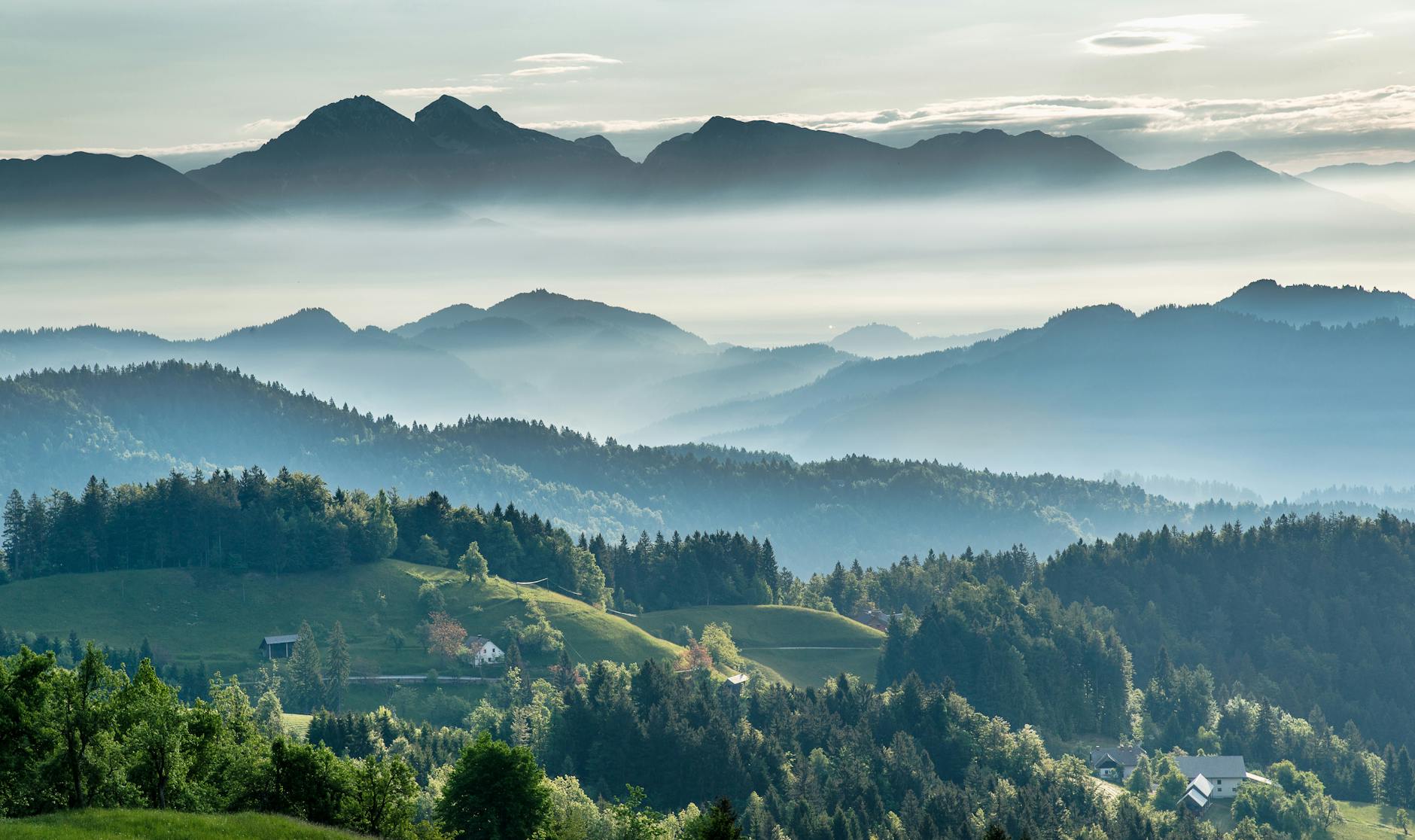
El Valle de Antón is not what foreign-buyer marketing often suggests. The highland Panama of expat imagination is Boquete — the established town with the substantial North American community, the cool mountain weather, the developed foreign infrastructure. El Valle is something different: a smaller, closer-to-the-capital highland community with a very different character.
What El Valle actually is, is a town inside a crater. The Valle de Antón crater, formed by the collapse of a Pleistocene-era volcano, creates a relatively flat agricultural valley about 5 kilometers across, surrounded on all sides by forested mountain ridges — La India Dormida (the "Sleeping Indian," the iconic ridgeline profile that resembles a reclining woman), Cara Iguana, Cerro Gaital, and others. The town has grown within this crater over the last century and a half, anchored to agriculture, horse breeding, and increasingly to weekend tourism and foreign-resident migration.
The town itself is small and walkable in its core. The main commercial street runs through the center; the Sunday market is the social and commercial anchor; horseback riding stables, restaurants, hotels, and the various small businesses serving residents and weekend visitors are concentrated along a few main streets. Outside the town center, residential properties spread along the valley floor and up into the surrounding mountain ridges.
Geographically, El Valle sits in Coclé Province about two hours west of Panama City — roughly 120 kilometers (75 miles) via the Pan-American Highway to San Carlos, then a winding mountain road up into the crater. The drive is genuinely scenic; the elevation gain is dramatic. From the Pacific coast (Coronado is about 45 minutes south), the route is shorter. There is no commercial airport in El Valle. International arrivals route through Tocumen (PTY) in Panama City.
The population is approximately 7,000 in the town proper, with additional residents spread across the valley floor and the surrounding hillside communities. The demographic is predominantly Panamanian; the foreign-resident community is estimated at 300-500 across El Valle and the immediate area. Many of the Panamanians who own property in El Valle do not live there year-round — they are Panama City families with weekend homes who arrive Friday and leave Sunday.
This weekend-home dynamic shapes the town more than nearly any other Panama community. Friday through Sunday, El Valle has a different population, different commercial energy, and different rhythm than Monday through Thursday. Some residents love the weekday quiet; others find the dramatic weekly swing harder to live with than they expected.
The defining feature that separates El Valle from Boquete or Volcán is location and accessibility. Boquete is 7-8 hours from Panama City. Volcán is 7-8 hours from Panama City. El Valle is 2 hours. For people who need to maintain regular relationships with Panama City — business, family, medical, professional — this difference is fundamental. El Valle is the only highland Panama town within reasonable day-trip range of the capital.
What El Valle is not: a developed foreign-resident infrastructure like Boquete, a remote agricultural community like Volcán, or a place with the urban amenities of Panama City. It is a small mountain town with a strong weekend-tourism economy, modest but functional infrastructure for permanent residents, and the natural beauty that has anchored its appeal for over a century.
- El Valle de Antón sits inside an extinct volcanic crater at 600m elevation in Coclé Province
- About 2 hours west of Panama City via Pan-American Highway and mountain road
- Population ~7,000 in town; foreign-resident community estimated at 300-500
- Strong weekend-home dynamic — Panama City families dominate Friday-Sunday
- Closest highland Panama town to the capital — fundamental advantage for regular Panama City relationships
- La India Dormida ridgeline is the iconic regional landscape feature
- Small commercial scene; Sunday market is the social and economic anchor
What Daily Life Looks Like
Daily life in El Valle runs on a dramatic weekday/weekend split that shapes everything else.
Monday through Thursday, the town is quiet. The permanent residents — Panamanian families, foreign residents, small business operators — set the pace. Many businesses have reduced weekday hours or close certain days. The town feels distinctly small. Some restaurants close Monday and Tuesday entirely. The streets are calm; traffic is minimal; the cool mountain air and the absence of crowd density define the experience.
Friday evening, this changes. Panama City families arrive at their weekend homes. Cars fill the central streets. Restaurants open at full capacity. The horseback riding operations, the spa, the small boutique hotels — the whole tourism and recreation infrastructure activates. The town's population can effectively double during weekend periods.
Saturday is the busiest day. By morning, El Valle is fully active. The Sunday market actually peaks on Saturday in many cases as weekend visitors do their shopping. Restaurants are full at lunch and dinner. Hiking trails see traffic. The thermal pools (las pozas termales) and the Chorro Macho waterfall both have visitor flows. The horseback riding operations run continuously.
Sunday morning brings the famous El Valle market — a multi-decade tradition that is the single most important commercial and social event of the week. Vendors come from across the broader region selling produce, plants, crafts, prepared foods, and the iconic El Valle ceramic Mola crafts. The market is the closest thing El Valle has to a centerpiece event and runs in some form throughout the week but reaches peak on Sundays.
Sunday afternoon, the exodus begins. Panama City families pack up and head home. By Sunday evening, the town is settling back toward its weekday quiet.
For grocery shopping, the options reflect the small-town reality. A few small supermarkets in town handle daily basics; the Sunday market handles produce and specialty foods exceptionally well; for larger weekly shopping, most residents drive to Coronado (45 minutes south) or to Penonomé/Antón on the Pacific coast (about 45 minutes via different route). Internet has improved meaningfully. Fiber service through Más Móvil and Cable Onda is available in much of El Valle with quality sufficient for video calls and remote work. Starlink works well for outlying rural properties.
- Dramatic weekday/weekend split — quiet Mon-Thu, busy Fri-Sun
- Friday evening through Sunday afternoon is peak; population effectively doubles
- Sunday market is the defining commercial and social event of the week
- Local supermarkets for basics; Coronado (45 min) for larger shopping; Panama City (2 hours) for major errands
- Banking and pharmacies functional but limited; coastal destinations for broader needs
- Fiber internet generally reliable; Starlink useful for outlying properties
- 2-hour drive to Panama City defines the practical reach for many services
Climate and Environment

El Valle operates on a tropical mountain climate that is meaningfully cooler than the Pacific coast just 45 minutes south but warmer than Boquete or Volcán in the western highlands.
Year-round temperatures sit between 60°F and 82°F (16-28°C). Mornings are cool — often genuinely cool, sometimes requiring a light layer. Midday in sun is mild, rarely warm enough to feel oppressive. Evenings cool quickly as the sun drops behind the surrounding ridges. Nights can be cool enough that some residents use blankets and occasionally light heat.
AC is not needed in any El Valle property. Windows open year-round. Fans are sometimes useful in midday but generally optional. This is one of the practical advantages of El Valle over coastal Panama — no AC dependence, lower electricity bills, more comfortable year-round indoor environment.
The two seasons are clear. Dry season runs December through April, bringing steady winds, sustained sunshine on most days, and the conditions that draw weekend visitors most consistently. The trade winds funnel through the crater in patterns that create distinct local weather: some areas of the valley are more wind-exposed than others. Green season runs May through November. Rain comes most afternoons in predictable patterns: clear mornings, building clouds, heavy showers between 2-5 PM, evening clearing. Some weeks bring extended rain and the misty conditions that intensify the green of the surrounding ridges.
The crater geography creates microclimates. Properties higher up the surrounding ridges are cooler and often misty. Properties on the valley floor are warmer and drier. Spending time in the specific area you might live before committing is the best way to understand the local microclimate.
Wildlife: significant. Bird species are abundant. Howler monkeys can be heard from a distance. The Panamanian golden frog (rana dorada), the symbol of Panama, is the most famous local wildlife — conservation efforts at the El Níspero zoo aim at species recovery. Las Pozas Termales (thermal pools) are a regional attraction — natural hot springs with mineral content believed to have therapeutic properties. El Chorro Macho waterfall is the most photographed natural feature, accessed by short hike. Air quality is excellent — higher elevation, lower population density, and the surrounding forest produce some of the cleanest air in central Panama.
- Year-round temperatures 60-82°F (16-28°C); cool mornings and evenings, mild midday
- No AC needed; some residents use light heat in cool evenings
- Two seasons: dry (Dec-Apr) with sunshine; green (May-Nov) with afternoon rains and intense green
- Crater geography creates microclimates — different areas of valley have different conditions
- Significant biodiversity; rich birdlife; conservation site for endangered golden frog
- Las Pozas Termales (thermal pools) and El Chorro Macho waterfall are regional natural features
- Outside Atlantic hurricane belt; earthquake risk moderate
- Excellent air quality — significant health advantage
Cost of Living Reality
El Valle's cost structure sits between Boquete and Volcán — meaningfully cheaper than Boquete but typically more expensive than Volcán, with significant variation by property type and location.
The dollarized economy means prices are directly comparable to US prices without currency conversion. Imported goods cost similar amounts as elsewhere in Panama. Local agricultural products are inexpensive — fruits, vegetables, coffee, plants all benefit from local production.
Housing varies dramatically by zone and property type. A modest one-or-two-bedroom apartment in El Valle runs $500-900 per month for long-term rental. Furnished units run $700-1,200. Single-family homes range from $700-2,500+ depending on size, location, and amenities. Properties on the surrounding ridges with mountain views command higher prices; ground-level valley properties are generally more affordable. Weekend-home dynamics mean many properties are unfurnished or partly furnished and oriented to weekend-rental rather than long-term rental.
Buying property: $100,000 to $1M+ covers the wide range. Modest in-town homes start below $150,000. Mid-range single-family homes run $200,000-500,000. Higher-end mountain homes with views and significant land run $500,000-$1M+. Foreigners hold full fee-simple title in Panama — no trust structure required. Transaction costs run 5-7% including legal, registration, and 2% ITBI transfer tax.
Independent legal review is essential for any purchase. El Valle's land market has some title complexity, particularly with older inherited properties and weekend homes that have changed hands multiple times.
Electricity is reasonable. No AC use means lower bills than coastal properties — most El Valle households run $50-120 monthly. Internet through Más Móvil and Cable Onda runs $40-80 for fiber service. The Pensionado visa applies for qualifying foreign retirees. The honest monthly range: modest in-town lifestyle runs $1,800-2,800 monthly; comfortable lifestyle with a real house, regular dining, vehicle, and periodic Panama City trips runs $3,000-4,500+.
- Cost structure between Boquete and Volcán — cheaper than Boquete, more than Volcán
- Apartment rentals $500-1,200/month; homes $700-2,500+
- Buying range: $100K-$1M+; modest in-town homes below $150K
- Foreign buyers hold full fee-simple title; transaction costs 5-7%
- Independent legal review essential — title complexity exists especially on weekend homes
- Electricity inexpensive (no AC); fiber internet $40-80
- Weekend-home rental market provides supplemental income for some property owners
- Realistic monthly floor: $1,800-2,800; comfortable: $3,000-4,500+
Healthcare Access
El Valle has basic local healthcare. For anything beyond routine, residents drive to either the Pacific coast or Panama City. The geographic position offers more options than Volcán but still requires planning.
The El Valle health center handles basic public health services. A few small private clinics in town serve routine medical needs — consultations, common illnesses, minor injuries, and prescription refills. Pharmacies in town stock common medications.
For more substantial care, residents have two practical options: Coronado (45 minutes south on the Pacific coast) has clinics with broader services than El Valle, including some specialists. Penonomé (50 minutes northwest, the Coclé provincial capital) has the regional Caja hospital and some private clinics.
For hospital-level and complex specialist care, Panama City is the destination — about 2 hours by car. Hospital Punta Pacífica (Johns Hopkins-affiliated) is the regional premier private hospital. Hospital Nacional and Centro Médico Paitilla are alternatives. Many El Valle residents — particularly those who came from Panama City and maintain relationships with city-based specialists — use Panama City as their primary medical destination, accepting the 2-hour drive as part of life.
The honest assessment: El Valle's healthcare geography is meaningfully better than Volcán or remote highland Panama because Panama City is only 2 hours away — close enough for regular specialist appointments, close enough for emergency access by ambulance or private transport. For residents who maintain medical relationships in Panama City, El Valle works well.
- Basic clinic-level care in El Valle; few private clinics and pharmacies
- Coronado (45 min) and Penonomé (50 min) have broader local options
- Panama City (2 hours) for hospital-level and complex specialist care
- Hospital Punta Pacífica (Johns Hopkins) is regional premier private hospital
- Many residents maintain Panama City-based specialist relationships
- Healthcare geography meaningfully better than western highlands due to capital proximity
- Caja public system available; Pensionado visa benefits apply
Getting Around and Getting Out

Inside El Valle, the town center is walkable. The compact commercial strip and surrounding immediate residential areas can be navigated on foot for basic errands. Some residents use bicycles for in-town transport.
For most life beyond the immediate town center — properties on the surrounding ridges, regional travel, shopping outside the basics, healthcare, and recreation — a vehicle is essentially necessary.
Road network: The road from the Pan-American Highway up into El Valle is paved and winding. It is in good condition but requires careful driving — switchbacks, elevation gain, occasional fog. Within El Valle, main roads are paved; smaller roads and access routes to outlying properties vary.
For getting out of El Valle, the practical artery is the road down to San Carlos and onto the Pan-American Highway. From there, Panama City is about 2 hours east; Coronado is 15 minutes west; Penonomé/Antón is 45 minutes further west.
International travel routes through Tocumen International (PTY) in Panama City. The 2-hour drive plus airport time means total transit to international flights is 3-4 hours — meaningfully better than Boquete (8+ hours total) or Volcán (8+ hours total).
Regional bus service connects El Valle to the coastal towns and to Panama City via the Pan-American Highway. The bus is functional, affordable, and used by both Panamanians and foreign visitors. Direct bus to Panama City takes about 2.5-3 hours including stops.
For Pacific beach access (Coronado, Gorgona, Playa Blanca area), the drive is short — 45 minutes to 1 hour. Many El Valle residents make the coast a regular part of their lives, combining mountain living with beach access in ways that purely highland communities cannot match.
- Town center walkable; vehicle essentially necessary for life beyond town
- Road to El Valle from Pan-American Highway is paved but winding; careful driving required
- Panama City 2 hours; Coronado 45 min; Tocumen International 2-3 hours total transit
- No commercial airport in El Valle; charter flights theoretical
- Regional bus service to Panama City and coastal destinations; affordable and reliable
- Uber not active; taxis limited
- Pacific beach access in 45-60 min — significant lifestyle advantage
Community and Social Life
El Valle's social structure is shaped by three distinct populations — long-standing Panamanian residents, Panama City weekend-home owners, and the foreign-resident community. The way these populations interact defines social life here.
The long-standing Panamanian community is the foundation — multi-generational families with roots in agriculture, horse breeding, the tourism industry, and the small commercial economy. The Catholic parish, the schools, and the traditional cultural calendar anchor the deepest social structures. Spanish fluency is the entry point.
The Panama City weekend-home community is the second major population. Wealthy and middle-class Panamanian families maintain primary residences in the capital and weekend properties in El Valle. They arrive Friday and leave Sunday. Their cumulative presence over generations has shaped much of the town's character.
The foreign-resident community is the third population. Estimated at 300-500 across El Valle and the immediate area, this community came in waves over the past 30+ years. The foreign community is unusually integrated for its size, partly because the town is small enough that everyone knows everyone, and partly because the foreign residents who choose El Valle over Boquete have typically chosen it for its less-expat-saturated character. Many have meaningful Spanish fluency and genuine relationships with both Panamanian neighbors and weekend-home families.
Common gathering points are clear. The Sunday market is the central social event of the week, where all three populations overlap. A few specific restaurants and cafes have become regular gathering spots. The horseback riding stables. Hiking groups that ascend La India Dormida and other ridges. Conservation groups working on golden frog recovery and forest preservation. Yoga and wellness operations that serve both residents and weekend visitors.
For people interested in equestrian life, horseback riding is genuinely woven into El Valle's identity — stables, riding tours, horse care services, and a community of riders span both Panamanian and foreign residents. Spanish proficiency expands social access dramatically. The English-speaking foreign community is smaller than Boquete or Coronado, meaning English-only residents have a more limited experience.
- Three populations: long-standing Panamanian, Panama City weekenders, foreign residents
- Foreign-resident community estimated 300-500; unusually integrated for size
- Sunday market is the central social event where all populations overlap
- Equestrian culture genuinely woven into El Valle identity
- Conservation community focused on golden frog recovery and forest preservation
- Catholic parish anchors traditional religious life
- Spanish proficiency expands access; English-only residents have smaller experience
- Weekend-home dynamic creates dramatic weekly rhythm shifts
Schools and Family Life
El Valle has families and has raised children for generations, but the educational infrastructure available locally is limited compared to larger Panamanian cities. Many foreign-resident families with school-age children make hybrid arrangements.
Public schools serve the local Panamanian community in El Valle. Spanish-language instruction. Quality is reasonable by rural Panamanian standards.
Private schools in El Valle are limited. A few small bilingual options exist with varying scale and continuity. For more comprehensive bilingual or international education, the practical destinations are Coronado (40-45 minutes south, with limited primary-level options) or Panama City (2 hours, with the full range of international and bilingual schools). Internationally accredited curriculum (IB, US-accredited) requires Panama City.
Activities for children: the outdoor environment is the dominant childhood backdrop. Hiking in surrounding hills, swimming in rivers and the thermal pools, horseback riding (which is part of the culture here, not a specialized activity), agricultural exposure, nature exploration. The pace of childhood is slower and more outdoor-centered than urban childhoods.
The 2-hour proximity to Panama City offers options that pure remote highland destinations like Volcán cannot match. Some families do hybrid arrangements: El Valle Monday-Thursday, Panama City Friday-Sunday for school events, family activities, and amenities.
- Public schools available in Spanish; quality reasonable by rural standards
- Bilingual private schools limited locally; Coronado and Panama City have more options
- Internationally accredited curriculum requires Panama City (2 hours)
- Pediatric specialists in Coronado or Panama City
- Outdoor childhood available — hiking, rivers, horses, nature, agriculture
- Structured activities limited locally; many families travel to Coronado or Panama City
- 2-hour Panama City proximity makes hybrid arrangements more practical than other highland destinations
Working and Income

El Valle works well for remote workers (with good infrastructure), foreign retirees with pension income, and modestly for those running small lifestyle businesses oriented to weekend tourism. Local employment in the Panamanian economy is limited.
For remote workers, internet has improved meaningfully. Fiber service through Más Móvil and Cable Onda is available in much of El Valle with quality sufficient for video calls and standard remote knowledge work. Reliability is generally good. Starlink works well for outlying rural properties. Time zone is UTC-5 year-round (no DST), aligned with US Eastern Standard Time.
The 2-hour proximity to Panama City offers a practical advantage that western highland destinations cannot match — remote workers can attend in-person Panama City meetings, networking events, and conferences without significant displacement. This makes El Valle particularly attractive for remote workers who need occasional but not constant in-person presence in the capital.
For local employment, options are limited. The economy is overwhelmingly weekend tourism, hospitality, equestrian operations, and the small commercial sector. Entrepreneurship is real but constrained by the small market. Several foreign residents have built sustainable lifestyle businesses: small B&Bs, restaurants, art galleries, equestrian operations, retreat centers, wellness businesses.
Vacation rental income is real because of the weekend-home dynamic. Properties oriented to Panama City families seeking weekend escapes have a defined market. Friday-Sunday plus high-season holidays drive most of the rental activity.
The territorial tax system means foreign-source income is generally not taxed by Panama for residents. The major income story: El Valle works for income that comes from outside the local market — foreign pension, remote work, vacation rental from Panama City weekenders, or established lifestyle businesses serving the weekend tourism economy.
- Pensionado visa applies; Panama City proximity offers practical advantages
- Remote work viable with reliable fiber; UTC-5 aligned with US Eastern Standard
- 2-hour proximity to Panama City uniquely supports remote workers with occasional capital presence needed
- Coworking minimal — most remote workers use home or specific cafes
- Local employment limited; tourism and hospitality dominate
- Vacation rental market driven by Panama City weekend-home demand
- Entrepreneurship constrained by small year-round market
- Territorial tax: foreign-source income generally not taxed by Panama for residents
Safety and Honest Concerns
El Valle is among the safer places in Panama for foreign residents — a small mountain town with strong community fabric, weekend-tourism activity that creates positive economic conditions, and limited transient population.
Violent crime is uncommon. El Valle is not in any major trafficking corridor; the small-town presence and the visible Panama City weekend-home population create natural deterrents.
Petty crime is the most common issue. Property theft from unsecured or vacant homes, opportunistic break-ins, and theft from vehicles all happen. The weekend-home dynamic creates specific exposure — properties left empty Monday through Thursday or for extended weekday absences during slow seasons become targets. Active property management, security systems, and trusted local relationships reduce these risks substantially.
Water safety considerations: rivers in El Valle can be dangerous after heavy rains. Trail safety on La India Dormida and other ridges requires basic hiking awareness — terrain is steep, fog can be intense, and emergency response is limited.
Weather hazards: heavy green-season rains can produce flooding on lower-lying properties and landslides on the surrounding hillsides. Lightning during storms is intense. Fog on the road to El Valle can be challenging during certain conditions.
Construction quality varies significantly. Newer construction in established developments generally meets reasonable standards. Older properties and weekend homes can have significant issues. Independent inspection on any purchase is essential. Earthquake risk: moderate. Hurricane risk: outside the Atlantic hurricane belt.
- Among the safer Panama destinations
- Petty crime (vacant-home theft, weekend-home break-ins) most common
- Active property management essential for weekend homes and vacation properties
- Trail and water safety real considerations — basic awareness matters
- Construction quality varies; independent inspection essential
- Weather hazards: green-season flooding, landslides, intense lightning
- Outside Atlantic hurricane belt; earthquake risk moderate
- Road safety on mountain access and rural roads requires care
The Hard Truths
This is where the marketing language stops. El Valle has been marketed as the "perfect highland weekend escape" for so long that the actual daily reality of permanent residence is sometimes lost in the promotion.
The weekday/weekend split is fundamental and consequential. Monday through Thursday, El Valle is genuinely quiet — sometimes too quiet for people who expected a busier social environment. Many restaurants close 1-2 days a week. Some businesses operate on reduced hours. The social energy that defines El Valle's weekend personality is largely absent during weekdays. Some permanent residents love this; others find it more limiting than expected.
The Panama City weekend dynamic shapes everything. Property values, rental markets, restaurant economics, and community social patterns are all influenced by the Friday-Sunday rhythm. This is a real factor in why El Valle exists as it does, and it is either a feature or a limitation depending on what you want.
Spanish proficiency requirements are higher than in expat-saturated destinations. The English-speaking foreign-resident community is small enough that English-only daily life is more limited than in Boquete or Coronado.
Infrastructure limitations are real. Specialty groceries, hardware, vehicle service, professional services, and many amenities require trips to Coronado or Panama City.
The small-town dynamic means personalities and relationships matter in ways they don't in larger places. In a community where everyone knows everyone, conflicts and social tensions are visible. New arrivals sometimes find themselves caught up in dynamics that have nothing to do with them.
Property title due diligence is particularly important. Weekend homes that have changed hands multiple times, older inherited properties, and informal subdivisions can have complex history. Independent legal review by a notario not connected to the seller is non-negotiable.
The 2-hour proximity to Panama City is an advantage that cuts both ways. Some residents who came expecting full disconnection from the capital found themselves making the drive constantly. Property prices have appreciated steadily over the past two decades. The El Valle of marketing legend with very affordable mountain homes mostly does not exist anymore. First-year adjustment is real. The town is changing — the pace of foreign-resident arrival has accelerated since 2020.
- Weekday/weekend split is fundamental — Mon-Thu is genuinely quiet
- Panama City weekend dynamic shapes property values, rentals, and community patterns
- Spanish proficiency requirements higher than in expat-saturated destinations
- Infrastructure limitations real — many needs require Coronado or Panama City
- Healthcare distance better than western highlands but still real (2 hours to Panama City)
- Small-town dynamics make personalities and relationships visible
- Cool-and-misty climate suits some constitutions better than others
- Property title due diligence particularly important
- 2-hour proximity to Panama City cuts both ways — accessibility means constant pulls
- Property prices have appreciated; bargain El Valle of marketing mostly doesn't exist anymore
- First-year adjustment significant
- Town is changing; foreign-resident arrival accelerating since 2020
Frequently Asked Questions About Living in El Valle de Antón
Is El Valle de Antón safe for foreigners to live in?
El Valle is among the safer places in Panama for foreign residents. Petty property crime is the most common issue, particularly with vacant weekend homes. Violent crime is uncommon. Standard precautions and active property management address most realistic risks.
How much does it cost to live in El Valle de Antón?
Modest lifestyle with apartment, local groceries, vehicle, and limited dining runs $1,800-2,800 monthly. Comfortable lifestyle with a real house, regular dining when restaurants are open, and periodic Panama City trips runs $3,000-4,500+. El Valle sits between Boquete and Volcán in cost — meaningfully cheaper than Boquete, somewhat more than Volcán.
Do I need to speak Spanish to live in El Valle de Antón?
Yes. The English-speaking foreign-resident community is smaller than in Boquete or Coronado. Real friendships with Panamanians, integration into the Sunday market and broader community, banking, medical care, and government processes all require Spanish proficiency.
What is the best time of year to visit El Valle de Antón?
Dry season (December through April) brings sunshine and the most reliable weather for outdoor activities. Sunday at the El Valle market is the defining experience year-round. Green season (May through November) brings afternoon rains and the intense green of the surrounding ridges — beautiful but rainier. February or March is the most popular time for visitors.
Quick Reference: El Valle de Antón At a Glance
- Province
- Coclé
- Region
- Coclé Highlands / Central Panama
- Elevation
- 600 m (1,969 ft) — no AC needed year-round
- Time Zone
- UTC-5 (EST, no DST)
- Airports
- PTY (Tocumen International, 2 hours via Pan-American Highway)
- Foreign Ownership
- Full fee-simple title — no trust required
- Peak Season
- December – April (dry season); weekends year-round
Getting There
International arrivals through Tocumen International (PTY) in Panama City. From Tocumen, drive about 2 hours west via Pan-American Highway to San Carlos, then north up the winding mountain road to El Valle. Alternative routing via Coronado is also approximately 2 hours total. No commercial airport in El Valle. Total transit time to international flights is 3-4 hours from El Valle — meaningfully better than Boquete or Volcán.
Real Estate Overview
El Valle offers Panama's most accessible highland real estate — within 2-hour drive of Panama City, distinctive crater geography, established weekend-home market that supports property values, and a small but growing foreign-resident community. Range spans modest in-town homes ($150K-250K), mid-range single-family homes ($250K-500K), high-end mountain homes with views ($500K-$1M+). Foreign buyers hold full fee-simple title. The weekend-home dynamic distinguishes this market from other highland destinations.
What Works
- Closest highland Panama to Panama City — 2-hour drive vs. 7-8 hours for Boquete or Volcán
- Cool mountain climate without AC requirement; 60-82°F year-round
- Pacific beaches 45-60 minutes south — best-of-both highland and coast access
- Pensionado visa applies; territorial tax system favorable
- Outside Atlantic hurricane belt; excellent air quality
- Strong weekend-home dynamic creates vacation rental income opportunity
What to Consider
- Dramatic weekday/weekend split — Mon-Thu quiet may feel limiting
- Spanish proficiency essentially required for full integration
- Infrastructure limitations real — specialty needs require Coronado or Panama City
- Healthcare distance: 2 hours to Panama City for hospital-level care
- Property title due diligence essential — older inherited properties and weekend homes have complex history
Practical Notes
Choosing El Valle de Antón means choosing highland Panama that stays connected to Panama City — the closest mountain retreat to the capital, with the trade-offs of small-town infrastructure balanced against the practical advantage of 2-hour Panama City access. The weekend-home dynamic is fundamental to El Valle's character: Friday-Sunday brings the town to life; Monday-Thursday is genuinely quiet. People who thrive in El Valle either love both rhythms or have arranged their lives to make the dual character work. The Pensionado visa applies for qualifying foreign retirees. Independent property due diligence is essential — older properties and weekend-home transfers have complex history. Spending time in El Valle during both peak weekend and quiet weekday periods before committing is wise — the two experiences are dramatically different. The 2-hour proximity to Panama City offers an advantage that cannot be replicated in western highland destinations: regular access to specialists, family relationships, business meetings, and the full urban infrastructure of the capital. Give yourself two full years before judging whether El Valle is the right place.
Explore El Valle de Antón Listings
El Valle Mountain Homes | El Valle Investment Property | All El Valle Property
Nearby Areas
Related El Valle de Antón Resources
El Valle de Antón Market Hub — Browse Listings | Penonomé Market Hub | Antón Market Hub | Coronado Market Hub — Pacific Coast Comparison | El Valle de Antón Panama for Weekend Home and Highland Buyers | Best Places to Retire in Panama | Panama Highland Real Estate for Retirement and Cooler Weather | Beach Towns Near Panama City | Panama Real Estate Guide for American Buyers | Coronado Living Guide — Pacific Beach Life | Panama City Living Guide — The Capital | Boquete Living Guide — Highland Coffee Town | Cerro Punta Living Guide — Highland Community Served by David