What Is Life in Playa Blanca, Panama Like?
Coclé
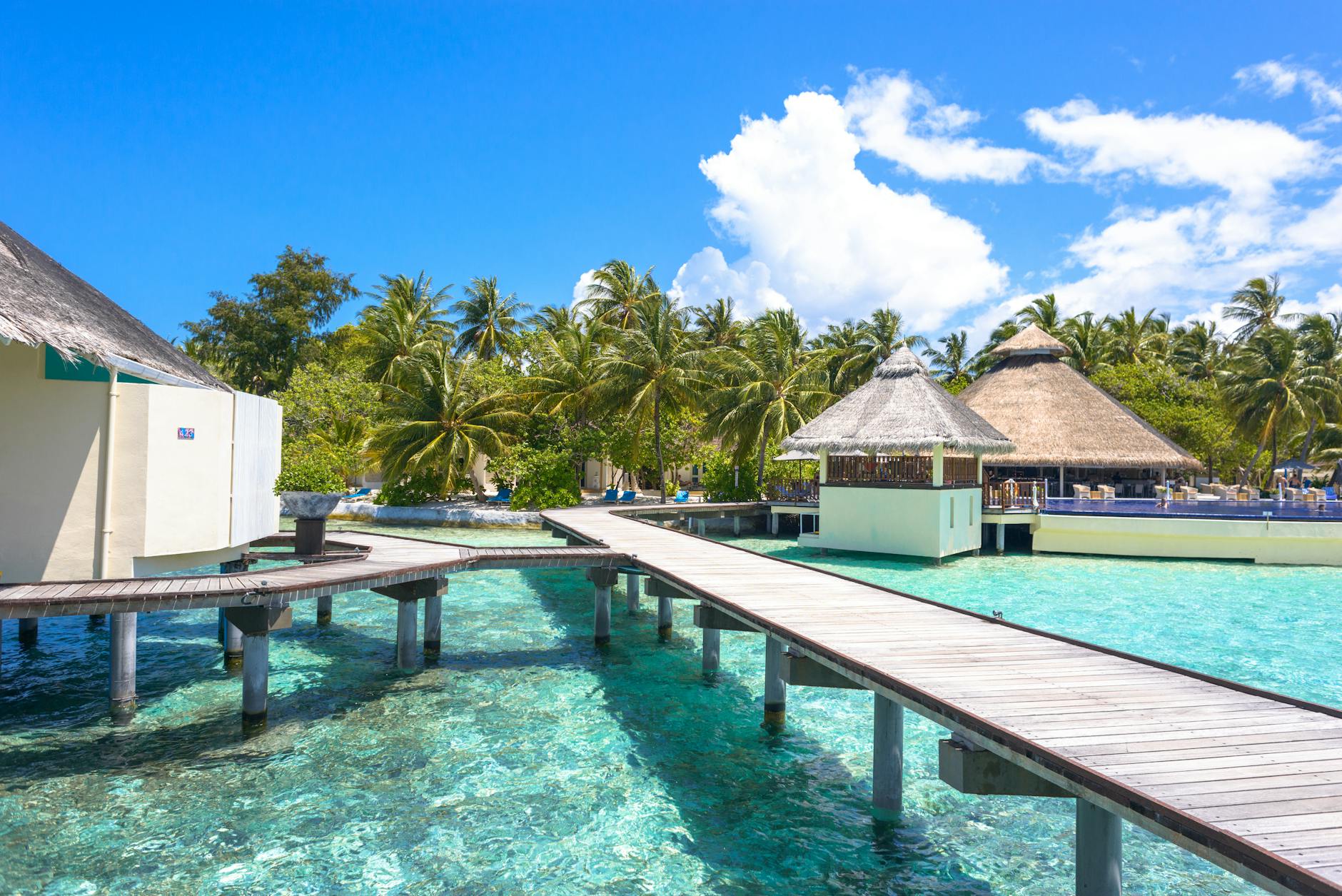
Playa Blanca is Panama's vacation-rental and resort coast — a stretch of Pacific beachfront in Coclé province extending from the broader Río Hato area east toward Buenaventura, anchored by the Royal Decameron all-inclusive resort (one of Latin America's largest) and multiple condominium and resort developments. This is where Panama's domestic and regional vacation-rental market concentrates, where weekend-home buyers find more affordable Pacific Riviera entry than Coronado offers, and where vacation rental investors find the platform supporting steady demand. The character is fundamentally different from both nearby Buenaventura (gated luxury) and Coronado (developed expat enclave).
What Playa Blanca Actually Is

Playa Blanca is not a town in the traditional sense and not a single development. This is a broader stretch of Pacific Riviera coast in Coclé province, comprising multiple resort developments, condominium projects, the Royal Decameron all-inclusive resort, vacation homes, and the supporting commercial infrastructure that has built around this corridor since the 1990s.
The geography is precise. Playa Blanca occupies approximately 8 kilometers of Pacific coastline at and around Río Hato, between the inland Pan-American Highway and the ocean. The area extends from the broader Río Hato township east toward Buenaventura. The drive from Panama City takes 75-90 minutes on the Pan-American Highway.
The original development pattern was driven by the Royal Decameron resort, which opened in 1996 and grew through the 2000s into one of the largest all-inclusive resorts in Latin America. The Decameron's success established Playa Blanca as a major vacation destination for Panamanian families, regional Latin American tourists, and international vacationers. Multiple condominium and resort developments built out alongside through the 2000s and 2010s — the Royal Park, the Decameron-affiliated towers, various private resort developments, and standalone vacation home developments throughout the area.
What Playa Blanca actually is today is a vacation-and-resort corridor with several distinct sub-areas. The Decameron campus itself anchors one zone with the all-inclusive resort, multiple pools, restaurants, beach club, and integrated entertainment. The various condominium and resort towers occupy adjacent and nearby zones, providing vacation-home and rental property infrastructure. Private resort developments serve different price points. The supporting commercial infrastructure — restaurants, small markets, services — is concentrated along the inland and resort-access roads.
The residential population is significant but largely transient. Permanent year-round residents are estimated at 1,500-2,500 across the broader area, but the resort and vacation-rental population during peak periods can reach 8,000-10,000+ including Decameron guests, condominium owners on vacation, and short-term renters.
The foreign-resident community is small — perhaps 200-500 permanent residents, primarily condominium owners who use their properties as both vacation homes and long-term residences. Many North Americans and Europeans hold Playa Blanca properties as vacation rentals while maintaining primary residences elsewhere.
The defining feature that separates Playa Blanca from Buenaventura is the broader resort-and-vacation-rental orientation. Where Buenaventura is private and gated, Playa Blanca is open and resort-commercial. Where Buenaventura caters to wealthy weekend-home owners and high-net-worth investors, Playa Blanca operates as a vacation rental investment market and mid-tier resort experience. The price points are dramatically different — Playa Blanca condominium units typically run $150K-500K versus Buenaventura's $500K-$10M+.
What Playa Blanca is not: an authentic Panamanian small town, a place with year-round community continuity, a primary residential market, or a destination where you experience Panama outside the resort context. It is a vacation-and-resort coast with permanent infrastructure designed to serve transient populations.
- Playa Blanca is a Pacific Riviera resort coast in Coclé province
- Approximately 8 km of coastline anchored by Royal Decameron all-inclusive resort
- Multiple condominium and resort developments throughout the area
- Permanent population ~1,500-2,500; resort/vacation peak 8,000-10,000+
- Foreign permanent residents ~200-500; many properties function as vacation rentals
- 75-90 minutes from Panama City via Pan-American Highway
- Adjacent to Buenaventura (gated luxury) but dramatically different price point and orientation
- Vacation rental investment market and mid-tier resort experience
What Daily Life Looks Like
Daily life in Playa Blanca runs on the dual rhythms of resort tourism and permanent vacation-home ownership.
The weekday/weekend pattern is dramatic but different from Buenaventura. Decameron and the resort developments maintain consistent operations year-round, so the weekly rhythm shows less dramatic swing than gated resort communities. The all-inclusive resort population, the vacation rental occupancy, and the steady flow of visitors create constant daily activity at the resort level. The permanent resident population has a more conventional pattern.
Mornings start early throughout the year. Decameron and resort operations begin before dawn. The local Panamanian community supporting the resort economy starts work in early morning hours. By 7 AM the broader area is fully active.
Midday is hot. Pacific lowland heat — year-round 85-93°F (29-34°C) with significant humidity. AC is essential. The pools at the various developments become the primary social spaces during peak heat. The beach during midday requires sun protection.
Late afternoons cool slightly with the Pacific breeze. Beach time, pool time at the various resorts and condominiums, and the social activity of the resort coast.
Evenings center on the resort and entertainment infrastructure. Decameron operates evening entertainment, multiple restaurants, and the social activity that defines an all-inclusive resort. The broader area has restaurants, bars, and entertainment options ranging from beachfront casual to higher-end dining at the various developments.
For grocery shopping, the practical destinations are Río Hato proper (5-10 minutes inland) for small markets handling basics, Anton (20-30 minutes east on the Pan-American Highway) for slightly larger commercial infrastructure, or Coronado (30-45 minutes east) for full-service supermarkets including El Rey. Most permanent residents make weekly Coronado runs for substantial grocery shopping.
Banking is functional but limited. A few branches operate in the broader area. For comprehensive banking, Coronado or Panama City. ATM service is generally available.
Vehicle ownership is essential. The Playa Blanca corridor is spread across approximately 8 kilometers; walking between zones is theoretical for most daily life. Most permanent residents and most vacation-home owners have at least one vehicle.
Sunday in Playa Blanca has a distinctive resort-coast texture — the resort population at peak weekend levels, the various restaurants and beach venues active, the Sunday brunch culture at the various developments, and the general vacation-coast atmosphere.
- Resort tourism creates constant daily activity year-round
- Decameron operates consistently; broader corridor varies with weekend and season
- Year-round 85-93°F (29-34°C); pools are primary social spaces
- Coronado (30-45 min east) for full-service grocery shopping
- Internet generally good throughout developed areas
- Vehicle essential; resort coast spread across 8 km
- Active evening entertainment and dining culture
- Sunday is resort-coast peak
Climate and Environment
Playa Blanca operates on the same Pacific tropical coastal climate as the broader Pacific Riviera — year-round heat and humidity with two distinct seasons.
Year-round daytime temperatures sit between 85°F and 93°F (29-34°C). The variation is narrow. Humidity is high year-round, moderated by the consistent Pacific breeze. AC is essential.
The two seasons are clear. Dry season runs December through April. Sustained Pacific trade winds blow consistently. Humidity drops noticeably. The sky is clear and sunny most days. The Pacific breeze provides natural cooling for beachfront and elevated properties.
The dry-season trade winds at Playa Blanca are the same intense feature that defines the entire Pacific Riviera — sustained 20-30 mph for weeks, occasionally stronger. The Playa Blanca beach can experience significant sand blowing during peak wind weeks. Resort and condominium infrastructure is designed with this in mind, but the wind affects outdoor dining, beach activities, and at the more exposed coastal properties, daily comfort.
Wet season runs May through November. Rain comes most afternoons in predictable patterns: clear mornings, building clouds, heavy showers between 2-5 PM, evening clearing. October and November typically have the heaviest rainfall. Mosquitoes increase substantially; dengue is documented in Panama.
Playa Blanca sits well outside the Atlantic hurricane belt. Direct hurricane strikes do not occur. Significant geographic advantage.
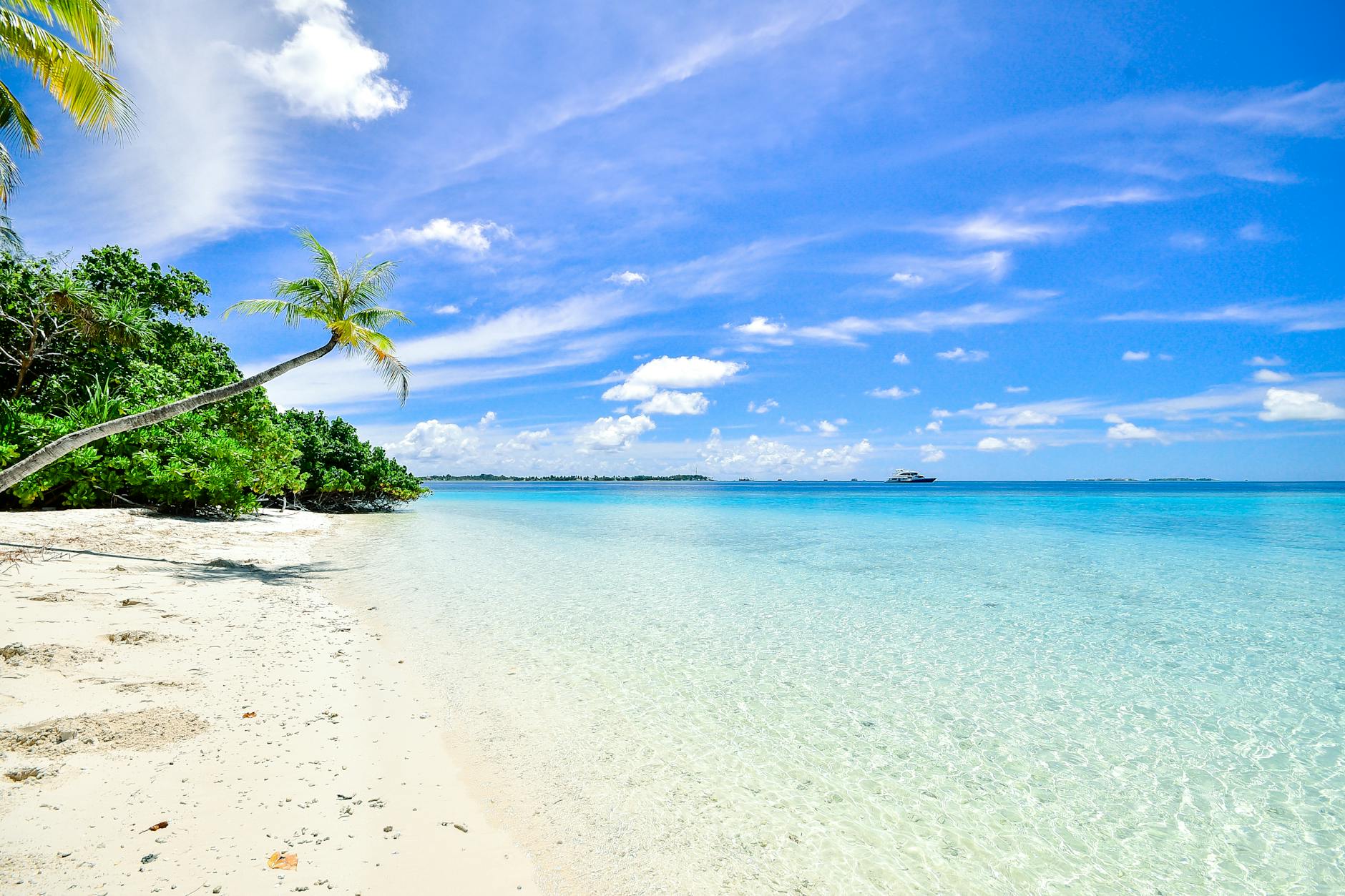
The Pacific Ocean at Playa Blanca is warm year-round (75-85°F / 24-29°C). The beach is approximately 8 km of Pacific coastline within the broader area. The sand is dark volcanic character — same as the rest of the Pacific Riviera. The water is brown-gray due to natural sediment from Pacific currents and the river systems that empty into this area, not pollution.
The Playa Blanca beach is meaningfully wider and flatter than some Pacific Riviera beaches, with relatively gentle waves during most conditions. This makes it more swim-friendly for vacation families than some neighboring beaches.
- Same Pacific tropical climate as broader Pacific Riviera
- Year-round 85-93°F (29-34°C); high humidity moderated by Pacific breeze
- Sustained dry-season trade winds (Dec-Apr) affect outdoor activities
- ~8 km of Pacific beach in broader Playa Blanca area
- Beach is dark volcanic sand, brown-gray water (same as Coronado area)
- Beach meaningfully wider/flatter than some Pacific Riviera beaches — more swim-friendly
- Outside Atlantic hurricane belt — geographic advantage
- Mosquitoes and dengue present in wet season
Cost of Living Reality
Playa Blanca is meaningfully cheaper than Buenaventura and similar to or slightly below Coronado across most categories. The cost structure reflects the broader resort coast positioning, the vacation rental dynamics, and the mid-tier development character.
Housing varies by zone and property type. Long-term residential rental in Playa Blanca is limited because most properties are owner-occupied weekend homes, vacation rentals, or short-term rentals. The available long-term rentals run $700-2,000+ per month for apartments and townhouses, $1,200-3,500+ for single-family homes.
Buying property: $80,000 to $1.5M+ covers the broad foreign-buyer market. Modest condominium units in older developments start around $80,000-150,000. Mid-range condominiums run $150,000-300,000. Townhouses and single-family homes run $200,000-500,000. Beachfront and luxury developments run $400,000-1.5M+.
Foreigners hold full fee-simple title in Panama — no trust structure required. Transaction costs run 5-7% including legal, registration, and 2% ITBI transfer tax. HOA fees in Playa Blanca developments vary — typically $100-500 monthly depending on amenities and infrastructure.
Electricity is meaningful for AC-heavy properties — $200-500+ monthly during peak heat. Water is inexpensive. Internet runs $40-100 monthly for fiber service.
Vacation rental income is the primary economic activity at Playa Blanca for foreign-owned properties. The Decameron-driven tourism, the broader Pacific Riviera tourism, and the established short-term rental market all support vacation rental revenue. Returns vary by property type, management quality, and seasonal patterns.
The honest monthly range: modest condominium ownership with HOA, utilities, and basic dining runs $2,500-4,000 monthly. Comfortable lifestyle with a real condominium or townhouse, regular dining, vehicle, and full participation runs $3,500-6,000. The full ocean-view condominium or beachfront lifestyle runs $4,500-8,000+.
For comparison: Playa Blanca runs roughly 15-25% cheaper than Coronado and 60-80% cheaper than Buenaventura.
- Cheaper than both Coronado and dramatically cheaper than Buenaventura
- Apartment/townhouse rentals $700-2,000+; homes $1,200-3,500+
- Buying range: $80K modest condos to $1.5M+ premium properties
- Foreign buyers hold full fee-simple title; transaction costs 5-7%
- HOA fees $100-500 typical; verify ownership structure on each property
- Vacation rental income is primary economic activity for foreign-owned properties
- Pensionado visa benefits go further than in Coronado
- Realistic monthly floor: $2,500-4,000; comfortable: $3,500-6,000; premium: $4,500-8,000+
Healthcare Access
Playa Blanca's healthcare access mirrors the broader Pacific Riviera limitations — no hospital locally, with Coronado and Panama City as the practical destinations for substantial care.
For routine care, several private clinics in the broader area (in Río Hato proper and at the various developments) handle general practice and common illnesses. The Decameron resort has an on-site medical facility that handles guest medical needs and operates at limited scale for the broader community.
For moderate to substantial care, Coronado (30-45 minutes east) is the practical first destination — additional clinics, several specialists, and the medical infrastructure that serves the broader Pacific Riviera.
For hospital-level care, Panama City is the destination — 75-90 minutes by car. Hospital Punta Pacífica (Johns Hopkins-affiliated) is the regional premier private hospital.
Private ambulance services exist for emergency response and transport.
The honest assessment for foreign residents: Playa Blanca's healthcare geography is the same as the broader Pacific Riviera. The 75-90 minute drive to Panama City for hospital-level care is the practical reality. For most healthcare needs at most life phases, this works. For residents with significant chronic conditions or those requiring frequent specialist visits, the geography becomes more limiting.
Many residents who have come to Playa Blanca with active lifestyle priorities have eventually relocated to David or Panama City as healthcare needs increased. This is a common pattern across the Pacific Riviera.
- No hospital in Playa Blanca; clinic-level care only
- Decameron resort has on-site medical facility for guests and limited broader community use
- Coronado (30-45 min east) has additional clinic and specialist infrastructure
- Panama City (75-90 min east) for hospital-level care
- Hospital Punta Pacífica (Johns Hopkins) is regional premier private hospital
- Private ambulance services available
- Pensionado visa benefits apply
- Healthcare geography same as broader Pacific Riviera
Getting Around and Getting Out
Within Playa Blanca, the corridor extends approximately 8 kilometers. The various resort developments, condominium complexes, and commercial areas are spread across this distance. Most daily life requires vehicle travel between zones.
For trips outside Playa Blanca, the Pan-American Highway provides the practical artery. East-west connections: - Coronado: 30-45 minutes east - San Carlos: 45-60 minutes east - Panama City: 75-90 minutes east - Buenaventura: 5-10 minutes east (immediately adjacent) - Anton: 20-30 minutes east - Penonomé: 45-60 minutes northwest - El Valle de Antón: 1 hour northeast
For international travel, Tocumen International Airport (PTY) is 90-110 minutes by car from Playa Blanca. The Río Hato Airport (RIH) is 5-15 minutes from most Playa Blanca properties — accessible for private aviation and occasional commercial service. This is a real practical advantage for properties that use private aviation.
Uber operates in the broader Pacific Riviera but driver availability is limited in immediate Playa Blanca — typically requires connections from Coronado or Anton for the trip out. Most short-distance transport happens via personal vehicle, resort shuttle, or pre-arranged private service.
Regional bus service connects Playa Blanca to Panama City and surrounding Pacific Riviera destinations. For mountain access, El Valle de Antón is about 1 hour from Playa Blanca through the mountain road from the Pan-American Highway.
- 8-km corridor; vehicle essential for life beyond immediate clusters
- Pan-American Highway provides arteries east and west
- Buenaventura immediately adjacent (5-10 min east)
- Coronado 30-45 min east; Panama City 75-90 min east
- Tocumen International 90-110 minutes
- Río Hato Airport (RIH) 5-15 minutes — significant advantage for private aviation
- Regional bus service to Panama City and Pacific Riviera; affordable
- El Valle de Antón mountain access in ~1 hour
Community and Social Life

Playa Blanca's community is defined by the dual character of resort tourism and condominium ownership, with permanent residents forming a small but stable foundation.
The Panamanian community in Playa Blanca is primarily working-class — staff supporting the Decameron, the various condominium developments, the local restaurants and small businesses. The local Panamanian small-town life of Río Hato proper (the inland community) is the deepest social structure. The Catholic parish, the schools, and the agricultural and tourism economy anchor the broader Coclé community.
The resort and vacation community is dominant in terms of presence. Decameron alone hosts thousands of guests at peak periods. The various condominium owners using their properties as vacation homes cycle through constantly. The vacation rental market brings short-term visitors. This creates a fundamentally transient population dynamic that affects community formation.
The foreign permanent resident community is small — perhaps 200-500 across Playa Blanca and immediately surrounding areas. The community is varied: condominium owners who have made Playa Blanca primary residence; remote workers attracted by the cost and Pacific access; foreign retirees on Pensionado; and various investors managing vacation rental portfolios.
Common gathering points reflect the resort-coast character. Decameron's bars and entertainment are accessible to permanent residents (with day passes or limited access arrangements). Various stand-alone restaurants in the broader area function as gathering spots. The beach at Playa Blanca is a primary social space.
Making friends as an adult: more challenging than smaller communities like San Carlos because of the transient vacation-and-resort population dynamic. The Panamanian community is welcoming for those who develop Spanish proficiency. Spanish proficiency expands social access. The English-speaking infrastructure is smaller than Coronado's.
The trade-off character: Playa Blanca offers Pacific Riviera living with lower costs than Coronado or Buenaventura, but the community experience is meaningfully different from authentic Panamanian community life.
- Resort tourism and condominium ownership are dominant population dynamics
- Permanent foreign residents small (~200-500); meaningfully smaller than Coronado
- Transient vacation and rental population affects community formation
- Decameron and resort developments anchor entertainment infrastructure
- Pacific Riviera corridor connections (Coronado, San Carlos, Buenaventura) accessible
- Spanish proficiency expands access; English-only is more limited
- Working Panamanian community in Río Hato is the local foundation
- Vacation-and-resort orientation creates lifestyle and limitations
Schools and Family Life
Playa Blanca has families but the educational infrastructure available locally is limited. Families considering Playa Blanca should plan around educational needs carefully.
There are no schools within Playa Blanca's resort developments. For comprehensive education, the practical options are: Coronado-area schools (limited but functional bilingual options, 30-45 minutes east); Panama City international schools (Costa del Este — 75-90 minutes commute, impractical for daily school commutes); or distance learning and homeschool arrangements.
Public schools serve the local Panamanian community in Río Hato and surrounding villages. Spanish-language instruction.
Most foreign families with school-age children who relocate to the Pacific Riviera for daily-school-commute residence choose Coronado or Panama City. Playa Blanca works better for families with very young children, families using distance learning, or vacation-and-second-home families maintaining schools elsewhere.
Activities for children at Playa Blanca: the beach, the various resort pools and recreation, and the resort-coast amenity infrastructure. Many vacation families use Playa Blanca specifically for the kid-friendly Pacific beach and pool infrastructure. For year-round families, structured activities are limited locally.
The texture of family life is more vacation-and-seasonal than permanent for most families. Playa Blanca works particularly well for vacation-home families who use the property for school breaks and weekends while maintaining primary residence elsewhere.
- No schools within Playa Blanca developments
- Coronado-area bilingual options (30-45 min); Panama City international schools (75-90 min)
- Public schools in Spanish in Río Hato and surrounding villages
- Most school-age families choose Coronado or Panama City for primary residence
- Playa Blanca works for vacation families, very young children, or distance-learning arrangements
- Pediatric specialists require Coronado or Panama City
- Beach and resort recreation provides activity infrastructure
- Family life is vacation-and-seasonal oriented for most residents
Working and Income

Playa Blanca works well for foreign retirees with pension income, for vacation rental investors, for remote workers with stable internet, and modestly for entrepreneurs serving the resort and vacation tourism market.
For foreign retirees, the Pensionado visa applies the same as anywhere in Panama. The lower cost of basic living relative to Coronado makes Pensionado benefits go further. Many retirees in Playa Blanca have chosen the location specifically for the cost advantage with continued Pacific Riviera access.
For vacation rental investors, Playa Blanca is one of Panama's primary vacation rental markets. The Decameron-driven tourism, the broader Pacific Riviera tourism flows, and the established short-term rental market all support sustained rental demand. Properties oriented to vacation rental can earn meaningful annual income. The competition is real and management quality matters significantly.
For remote workers, internet infrastructure is generally good. Fiber service through Más Móvil and Cable Onda covers most developed areas with quality sufficient for video calls and standard remote work. Starlink works well for backup or outlying properties. Time zone is UTC-5 year-round (no DST), aligned with US Eastern Standard Time.
For entrepreneurs serving the resort and tourism economy, Playa Blanca offers a real but constrained market. Restaurants, vacation rental management, real estate brokerage, property management, fitness services, and various tourism-related businesses operate in the area.
Vacation rental income is the primary economic activity for many foreign-owned properties. Conservative underwriting remains essential — returns vary by property, management, season, and market dynamics.
Territorial tax system: foreign-source income is generally not taxed by Panama for residents.
- Pensionado visa applies; lower base costs than Coronado
- Vacation rental investing is primary economic activity for foreign properties
- Remote work viable with fiber and Starlink backup; UTC-5 aligned
- Coworking essentially absent; home or Coronado-based options
- Local employment limited and tourism-related
- Entrepreneurship in tourism services operates at modest scale
- Friendly Nations and Qualified Investor visas align with property purchases
- Territorial tax: foreign-source income generally not taxed by Panama for residents
The Hard Truths

This is where the marketing language stops. Playa Blanca has been marketed extensively as "Pacific Riviera resort coast" or as the "more affordable Pacific Panama" — both framings have real elements and important omissions.
The vacation-and-resort orientation fundamentally shapes daily life. People who arrive expecting authentic community continuity sometimes find the transient resort population dynamic isolating. The high turnover of vacation visitors, the seasonal patterns, and the resort-coast character create a different daily experience than traditional residential markets.
The Decameron all-inclusive resort defines part of the area's character. Some residents value the resort infrastructure as nearby amenity; others find that the all-inclusive resort dynamic and the broader tourism presence affects the area's authenticity.
The vacation rental market is real but increasingly competitive. The supply of Playa Blanca properties available for short-term rental has grown significantly over the years. Returns have moderated from peak periods. Properties marketed as strong vacation rental investments require careful underwriting.
The healthcare distance is the same as the broader Pacific Riviera — 75-90 minutes to Panama City.
The dry-season trade winds are intense — same as the broader Pacific Riviera. Sustained 20-30 mph winds for weeks during dry season are part of life.
Construction quality varies significantly. Older condominium developments from the 2000s and earlier sometimes have structural, HOA financial, or maintenance issues. Some buildings have had special assessments or ongoing maintenance challenges. Independent inspection on any property purchase is essential.
The smaller foreign permanent resident community can become limiting. In a 200-500 person community spread across an 8-km corridor, ready-made social structures are smaller than at Coronado.
Spanish proficiency widens experience meaningfully. The English-speaking foreign-resident infrastructure at Playa Blanca is smaller than Coronado's.
Property prices have moderated from peak periods. The "affordable Pacific Riviera" framing is accurate but not the whole story. The lower price point compared to Coronado or Buenaventura comes with specific limitations — less developed foreign infrastructure, smaller community, more reliance on adjacent areas for amenities.
- Vacation-and-resort orientation fundamentally shapes daily life
- Decameron all-inclusive resort defines part of area character (mixed reception)
- Vacation rental market competitive; returns moderated from peaks
- Healthcare distance same as broader Pacific Riviera
- Dry-season trade winds intense (same as Coronado area)
- Beach is same Pacific Riviera character (dark sand, brown-gray water)
- Construction quality varies; older buildings can have HOA/maintenance issues
- Smaller foreign permanent community than Coronado
- First-year adjustment significant
- Property appreciation moderating; speculative gains largely past
Frequently Asked Questions About Living in Playa Blanca
Is Playa Blanca safe for foreigners to live in?
Playa Blanca is among the safer Panama destinations. Petty property crime, particularly with vacant or unsecured vacation properties, is the most common issue. Violent crime is uncommon. Active property management addresses most realistic risks.
How much does it cost to live in Playa Blanca?
Modest condominium ownership with HOA, utilities, and basic dining runs $2,500-4,000 monthly. Comfortable lifestyle with condominium or townhouse, regular dining, vehicle, and full participation runs $3,500-6,000. Premium ocean-view or beachfront lifestyle runs $4,500-8,000+. Roughly 15-25% cheaper than Coronado.
Do I need to speak Spanish to live in Playa Blanca?
More than in Coronado. The English-speaking foreign-resident infrastructure is smaller. Real friendships with Panamanians, banking, government interactions, and broader integration require Spanish proficiency.
What is the best time of year to visit Playa Blanca?
Dry season (December through April) brings sunshine and intense Pacific trade winds. The high vacation rental season aligns with North American winter (December-March). Wet season (May through November) brings afternoon rains and somewhat lower visitor density.
Quick Reference: Playa Blanca At a Glance
- Province
- Coclé
- Region
- Pacific Riviera Resort Coast
- Time Zone
- UTC-5 (EST, no DST)
- Airports
- RIH (Río Hato, 5-15 min, private aviation) · PTY (Tocumen, international, 90-110 min)
- Foreign Ownership
- Full fee-simple title
- Peak Season
- December – April
Getting There
International arrivals route through Tocumen International Airport (PTY) in Panama City — 90-110 minutes by car from Playa Blanca. Río Hato Airport (RIH) is 5-15 minutes from most Playa Blanca properties — accessible for private aviation and occasional commercial service. The Pan-American Highway drive from Panama City takes 75-90 minutes.
Real Estate Overview
Playa Blanca offers Panama's most established vacation rental and resort coast real estate market, anchored by the Royal Decameron and multiple condominium developments. Range spans modest condominium units in older developments ($80K-150K), mid-range condominiums ($150K-300K), townhouses and single-family homes ($200K-500K), and beachfront and luxury developments ($400K-1.5M+). Foreign buyers hold full fee-simple title. The market is mature, with significant vacation rental investment activity.
What Works
- 15-25% cheaper than Coronado across most categories
- Vacation rental investment market established and supported by Decameron tourism
- Río Hato Airport (5-15 min) for private aviation
- Outside Atlantic hurricane belt — geographic advantage
- Beach meaningfully wider/flatter than some Pacific Riviera options — more swim-friendly
- Pacific Riviera corridor accessible (Coronado, San Carlos, Buenaventura)
- Pensionado visa benefits go further than Coronado
What to Consider
- Same Pacific beach reality as broader Pacific Riviera (dark sand, brown-gray water)
- Same intense dry-season trade winds
- Healthcare distance same as Pacific Riviera (75-90 min to Panama City)
- Vacation-and-resort orientation creates transient population dynamic
- Smaller foreign permanent community than Coronado
- Spanish proficiency more important than Coronado
- Construction quality varies; older buildings can have HOA/maintenance issues
Practical Notes
Choosing Playa Blanca means choosing Panama's Pacific Riviera resort coast — vacation rental market, mid-tier resort lifestyle, and lower price points than Coronado or Buenaventura. The trade-off is the vacation-and-resort orientation that creates a different daily experience than traditional residential markets, smaller permanent foreign community, and the typical Pacific Riviera realities (Pacific beach character, healthcare distance, dry-season winds). People who thrive at Playa Blanca value the cost advantage, the vacation rental investment opportunity, and the Pacific Riviera access while accepting the resort-coast character. The Pensionado visa applies for qualifying foreign retirees, with benefits going further than at Coronado. Independent property due diligence is essential — particularly on older buildings where construction or HOA issues are more common. Spending time during both dry and wet seasons before committing is wise. Active property management is part of the cost structure for vacation-and-seasonal properties. The Río Hato Airport (5-15 minutes) provides private aviation access. Give yourself two full years before judging — the resort-coast character either deepens into preferred lifestyle or fades into limitations.
Explore Playa Blanca Listings
Playa Blanca Condominiums → | Playa Blanca Vacation Properties → | All Playa Blanca Property →
Nearby Areas
Related Playa Blanca Resources
Playa Blanca Market Hub — Browse Listings | Río Hato Market Hub | Buenaventura Living Guide — Sister Pacific Riviera Resort Guide | Coronado Living Guide — Sister Pacific Riviera Guide | San Carlos Living Guide — Sister Pacific Riviera Guide | Gorgona Living Guide — Pacific Riviera Closest to Panama City | Beach Towns Near Panama City | Panama Beach Property for Vacation Rental Investors | Best Places to Retire in Panama | Panama Real Estate Guide for American Buyers